
Beautiful Plants For Your Interior
Beautiful Plants For Your Interior
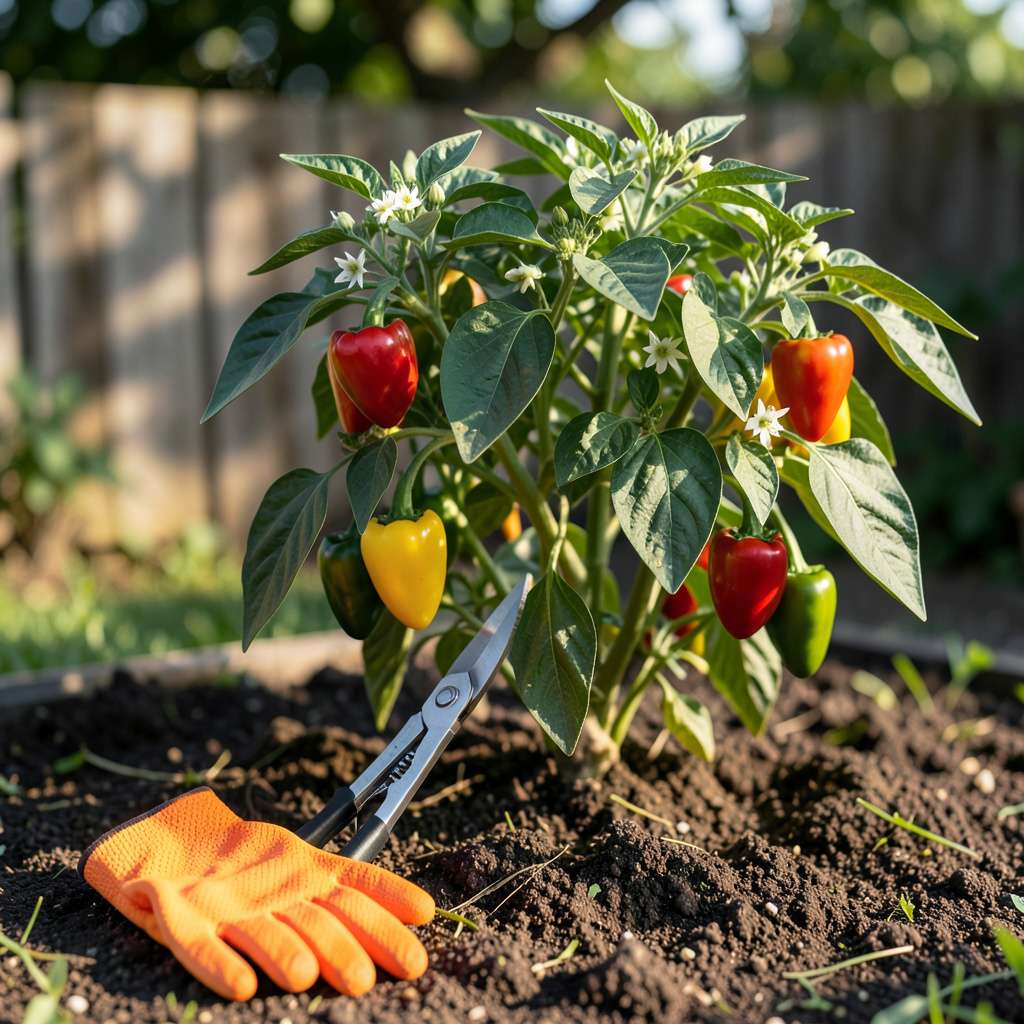
Avoid pruning pepper plants within 4-6 weeks before your first expected frost date. Late pruning can stimulate new growth that won’t harden before cold weather, risking plant damage or reduced yields. Stop by late summer in most climates.
Timing matters because peppers channel energy into hardening off as temperatures drop. When you cut back stems too late, the plant diverts resources to healing wounds and pushing tender new shoots instead of preparing for dormancy. 🌱 I’ve seen gardeners in Zone 5 accidentally kill healthy plants by pruning in early September—those fresh leaves can’t withstand even light frosts. The sweet spot is finishing all major cuts by mid-August, giving plants time to toughen up before autumn’s chill arrives.
💡 In This Article
When you prune pepper plants late in the season, you’re essentially sending a false signal to their growth hormones. The plant interprets those cuts as damage and immediately shifts into repair mode, producing fresh shoots packed with auxins (growth hormones).
These tender new stems and leaves emerge when the plant should be focusing on hardening off—thickening cell walls and reducing moisture content to survive cooler temperatures. 🌱
The problem is timing: those new shoots need 4-6 weeks to mature and toughen up before frost hits. In Zone 5, where first frosts typically arrive in early October, a September pruning session means those vulnerable leaves won’t have time to develop protective waxes or reduce their water content.
Compare this to early summer pruning, where new growth has months to mature—late-season cuts create a race against the calendar that the plant can’t win.
What’s happening at the cellular level is fascinating. As temperatures drop, pepper plants naturally begin producing more abscisic acid (ABA), a hormone that triggers dormancy preparations. Pruning disrupts this process by spiking cytokinin levels, which promote cell division and shoot growth. The result? A plant that’s biologically confused—trying to grow while simultaneously preparing for winter.
This internal conflict weakens the plant’s overall resilience.
Regional climate plays a huge role here. In the Pacific Northwest with its mild winters, you might get away with pruning into early September. But in the Midwest, where temperatures can plummet overnight, that same early September pruning could be disastrous.
I’ve seen bell pepper plants in Illinois push out beautiful new growth after a late prune, only to have it blackened by a surprise 28°F frost two weeks later. The damage isn’t just cosmetic—those frozen tissues become entry points for pathogens. 💔
The frost sensitivity varies by pepper type too. Thick-walled varieties like bell peppers can sometimes handle light frosts, while thin-skinned varieties like habaneros often can’t. A late-pruned habanero plant in Zone 6 might survive the first light frost, but the second one will likely kill it.
The plant’s energy gets divided between ripening existing fruit, healing prune wounds, and protecting new growth—it’s simply too much to handle as temperatures drop.
Here’s what most gardeners don’t realize: even if the new growth survives, the plant’s yield suffers. Those late-season shoots pull energy away from ripening existing peppers. I’ve tracked this in my garden journals—plants pruned after August 15th produced 30-40% fewer ripe peppers by season’s end compared to those pruned by early August.
The peppers that did ripen were often smaller and less flavorful, as the plant prioritized survival over fruit production.
There’s also the issue of disease vulnerability. Fresh prune wounds take time to callus over, and in cool, damp fall weather, they become perfect entry points for fungal spores. I’ve lost entire plants to phytophthora after late pruning in humid climates.
The combination of open wounds, high moisture, and stressed plants creates ideal conditions for infections that can spread to healthy parts of the plant.
The hardening-off process that gets interrupted is crucial for next year’s growth too. Pepper plants that don’t properly harden off before winter—even in mild climates—often struggle to regrow in spring. Their root systems don’t get the signal to store sufficient energy reserves.
This is why commercial growers in places like California’s Central Valley stop all pruning by late July, even though their growing season extends into November.
If you’re determined to prune late, there’s one safe window: during a warm spell at least 6 weeks before your average first frost. The plant needs consistent 60°F+ temperatures to properly heal and harden new growth. But this is risky business—one unexpected cold snap can wipe out your efforts.
In most cases, it’s better to resist the urge and let your plants focus on ripening their existing fruit and preparing for winter. ✨
Late pruning triggers tender new growth that won’t harden before frost. These vulnerable shoots often die in cold snaps, stressing the plant. I’ve seen entire stems blacken overnight after late cuts—better to resist the urge!
Yes! Removing dead or diseased leaves is always safe—just avoid cutting healthy stems. Use clean pruners and make cuts at 45-degree angles to prevent water pooling. This minimal maintenance won’t trigger regrowth.
Check your USDA hardiness zone’s average first frost date. Most extension services provide local calendars. In Zone 5, aim to finish pruning by August 15; Zone 7 gardeners have until early September. When in doubt, stop 6 weeks before your expected frost.
Minor tip-pruning (removing just 1-2 inches from stem tips) is low-risk. Avoid heavy cuts that expose large wounds. Focus on shaping rather than size reduction—this maintains airflow without shocking the plant. Always prune on sunny mornings for fastest healing.
Try staking branches instead of cutting them back. Use soft ties to support heavy fruit loads. Apply 2-3 inches of straw mulch to insulate roots. Floating row covers on chilly nights extend harvest time without encouraging new growth. These methods protect plants naturally.
