
Beautiful Plants For Your Interior
Beautiful Plants For Your Interior
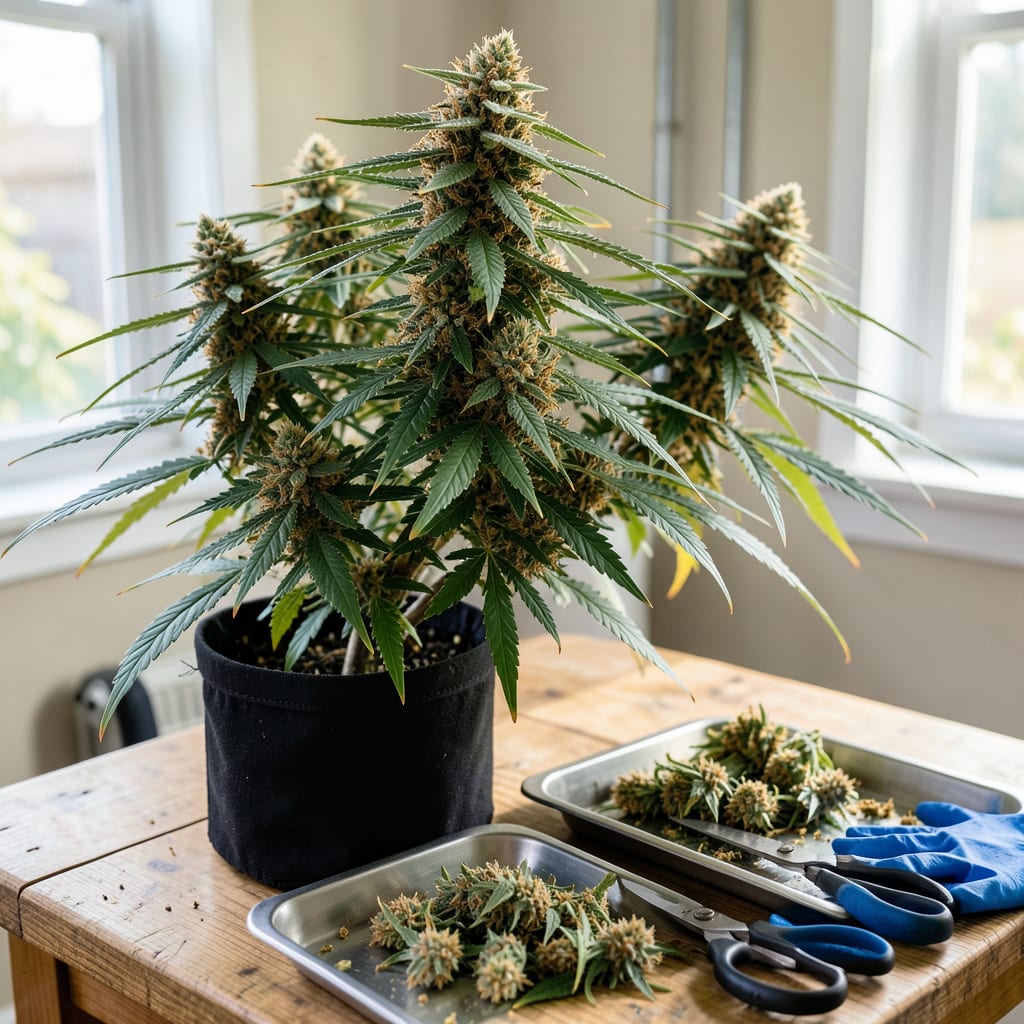
Knowing exactly when to harvest your 🍃 Cannabis can make or break your yield. Timing is everything, and nature sends clear signals—if you know where to look.
I’ll show you the most reliable signs to watch for, from trichome color to pistil changes. Let’s ensure you pick at peak potency and flavor.


Timing your cannabis harvest perfectly starts with examining trichomes, the tiny resin glands on buds. These microscopic structures change color as the plant matures, signaling ideal harvest windows for different effects and potency levels.
I always recommend using a jeweler’s loupe or digital microscope for accuracy. Clear trichomes mean it’s too early, while milky and amber hues indicate peak ripeness for most growers.
| Trichome Stage | Appearance | THC/CBD Level | Effect |
|---|---|---|---|
| Clear | Transparent glass-like | Underdeveloped | Not ready |
| Cloudy | Milky white | Peak THC | Balanced high |
| Amber | Golden brown | Degrading THC | Sedative |
For most growers, the sweet spot is when 50-70% of trichomes are cloudy with 20-30% turning amber. This ratio typically delivers the best balance of potency and flavor for recreational use.
If you prefer a more energizing effect, harvest earlier when most trichomes are cloudy. For a relaxing couch-lock experience, wait until more amber appears, but be cautious of over-ripening.
Remember, trichome color is the most reliable indicator of harvest readiness. Other factors like pistil color should only be used as secondary confirmation, not as the primary signal.
The color change happens gradually over 1-2 weeks, so check daily as you approach harvest time. I find that early morning is the best time to inspect trichomes when the plant is fully hydrated.
For medical users, a higher percentage of amber trichomes may be beneficial as it indicates increased CBD levels. However, this also means some THC degradation has occurred.
Don’t rush the process. Harvesting too early results in lower potency and harsh smoke. Patience truly pays off when you’re watching those trichomes transition from clear to milky to amber.
As a general rule, outdoor growers in USDA Zone 6 should start checking trichomes in late September to early October, depending on the strain and weather conditions.
While trichome color is the gold standard, pistil color offers additional clues about harvest readiness. These tiny hairs emerge from buds and change from white to orange or red as the plant matures.
I check pistils with a magnifying glass when trichomes are still mostly clear. When 70-90% turn brown, it often signals the harvest window is near, but don’t rely on this alone.
Many growers make the mistake of harvesting based solely on pistil color. However, some strains naturally have orange pistils early, while others may never fully darken before peak ripeness.
I’ve found that Sativa-dominant strains often show more white pistils at harvest, while Indica varieties tend to have darker orange or red pistils when ready. Always cross-check with trichome development.
Remember that pistils can continue darkening even after the optimal harvest window. Don’t wait for all pistils to turn brown, as this might indicate over-ripeness and reduced potency.
For the most accurate results, I recommend checking both trichomes and pistils together. This dual approach gives you the clearest picture of your cannabis plant’s readiness for harvest.
Beyond trichomes and pistils, your cannabis plant offers other clear signals. I watch for leaf yellowing, which often starts near the base as nutrients are redirected to the buds during the final stages of maturation.
Another key indicator is bud density. Mature buds feel firm and compact, with a tight structure that indicates peak development. If they still feel spongy or loose, it’s a sign to wait a few more days.
I also pay attention to terpene development. As buds mature, their aroma becomes more pungent and complex. A strong, rich scent is a great sign that the plant is nearing harvest time.
Don’t overlook calyx swelling either. The calyxes are the small leaf-like structures at the base of each bud. When they swell and tighten, it’s a clear indicator that the buds are filling out and nearing their peak.
These secondary signs should always be cross-checked with trichome and pistil observations. While they’re helpful, relying solely on them can lead to harvesting too early or too late.
For outdoor growers, I recommend starting these checks in late September for most strains. Morning inspections often reveal the clearest signs, as plants are fully hydrated after the cool night.
🌿
A jeweler’s loupe at 30-60x or a digital microscope at 100x works best. These tools let you clearly see the color shift from clear to milky to amber.
No. Clear trichomes mean the plant isn’t mature. Harvesting now results in underdeveloped buds with low potency and harsh smoke. Wait for at least 50% milky trichomes.
Early browning can signal stress or genetics. Some strains naturally darken pistils before peak ripeness. Always verify with trichome color before harvesting.
Start checking daily when you’re 1-2 weeks from the expected harvest window. Trichomes change quickly in the final stretch.
