
Beautiful Plants For Your Interior
Beautiful Plants For Your Interior
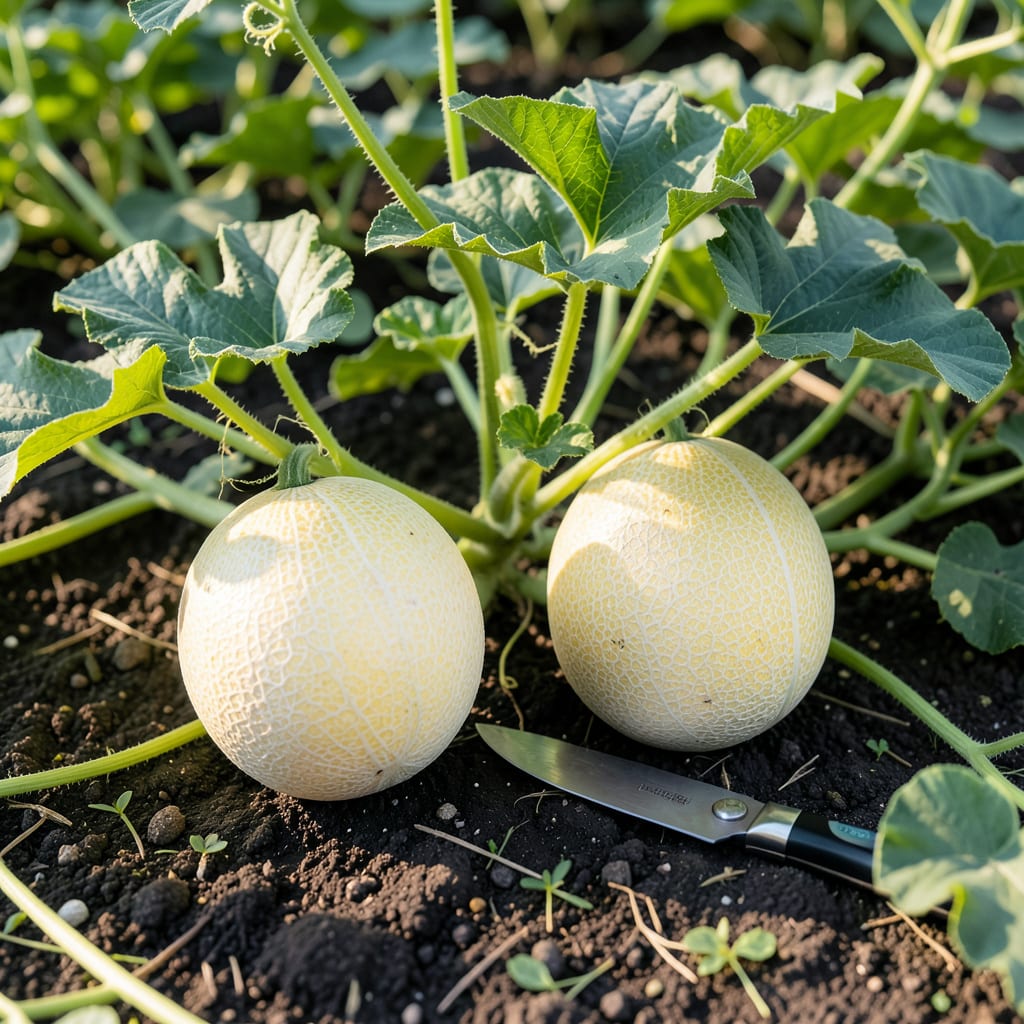
Nothing beats the taste of a perfectly ripe 🍈 Honeydew, but picking it too soon means missing out on that sweet, juicy flavor. Timing is everything when it comes to harvesting this summer favorite.
I’ll show you exactly how to tell when your Honeydew is ready – no guesswork needed. The blossom end softness test is your most reliable clue to peak ripeness.


The blossom end is the opposite side of where the stem attaches to your honeydew. This spot will soften as the fruit ripens, making it the most reliable indicator for harvest time.
Unlike color or aroma, this test works consistently across all honeydew varieties. I’ve found it’s the most foolproof method for determining perfect ripeness in my garden.
The blossom end should yield slightly when pressed, but not feel mushy. If it’s still hard, give your honeydew a few more days to ripen on the vine.
I recommend testing several melons on the same vine, as they may ripen at slightly different times. This way, you can harvest each one at its peak ripeness.
For the most accurate test, use your thumb pad rather than your fingertips. The pressure should be firm but not aggressive enough to bruise the fruit.
Remember that honeydew won’t ripen further once picked, so it’s crucial to wait until they’re fully ready. The blossom end test removes all guesswork from this process.
In my experience, morning is the best time to perform this test, as the fruits are firmest after a cool night. This gives you the most accurate reading of their true ripeness.
If you’re still unsure, try the test on different days to track the progression of softness. You’ll notice a clear difference as the honeydew approaches perfect ripeness.
Mastering this simple test will ensure you never pick an underripe honeydew again. It’s the secret to enjoying that perfect, sweet flavor every time 🌱
While the blossom end test is most reliable, other signs confirm your honeydew is ready. The rind color often shifts from green to cream or pale yellow as it matures.
The stem connection also provides clues. When ripe, the stem often separates easily from the vine with minimal pressure. This is nature’s way of saying it’s ready.
A ripe honeydew will have a strong sweet smell at the stem end. If you don’t notice any aroma, it likely needs more time on the vine.
Weight is another good indicator. A ready honeydew will feel heavy for its size. This density comes from the high water content of a fully developed fruit.
Try tapping the melon – a ripe one produces a dull thud rather than a hollow sound. This takes practice but becomes intuitive with experience.
Remember that days to maturity vary by variety. Most honeydews take 70-90 days from planting to harvest, but always check your seed packet for specifics.
Combining these signs with the blossom end test gives you the most accurate harvest timing for perfect flavor every time 🌱
Even experienced gardeners make errors when harvesting honeydew. The biggest mistake I see is ignoring the blossom end and relying solely on color or size. This often leads to picking melons before they’ve developed their full sweetness.
Another common pitfall is harvesting too early in the day. Melons are firmest in the morning, but their true ripeness is better judged in the afternoon when they’ve warmed in the sun.
⚠️ Warning: Never pull honeydew from the vine. Use pruning shears or a sharp knife to cut the stem, leaving 2-3 inches attached to prevent damage.
Mishandling after picking can also ruin your harvest. Avoid dropping or stacking melons, as this can cause bruising. I always handle mine with care, placing them gently in a basket or box.
Don’t make the mistake of harvesting all melons at once. Check each one individually, as they may ripen at different rates. I typically harvest my honeydews over a week or two for continuous enjoyment.
Finally, resist the urge to twist the melon off the vine. This can damage both the fruit and the plant. A clean cut is always the best approach for a healthy harvest.
Avoiding these mistakes ensures your honeydew will be perfectly ripe and ready to enjoy from your garden 🌱
A fully ripe honeydew has a strong sweet aroma at the stem end. If you don’t detect any scent, it needs more time on the vine. The fragrance becomes more pronounced as it nears perfect ripeness
Most honeydew varieties take 70-90 days from planting to harvest. However, always check your seed packet for specific maturity times, as some varieties may differ slightly
No, a green stem usually means it’s not ready. Wait until the stem turns brown and dry, and the fruit separates easily from the vine. This ensures the best flavor and texture
Late morning to early afternoon is ideal. The fruits are firmer in the morning but warm up in the sun, making it easier to judge ripeness accurately. Avoid harvesting in extreme heat
