
Beautiful Plants For Your Interior
Beautiful Plants For Your Interior
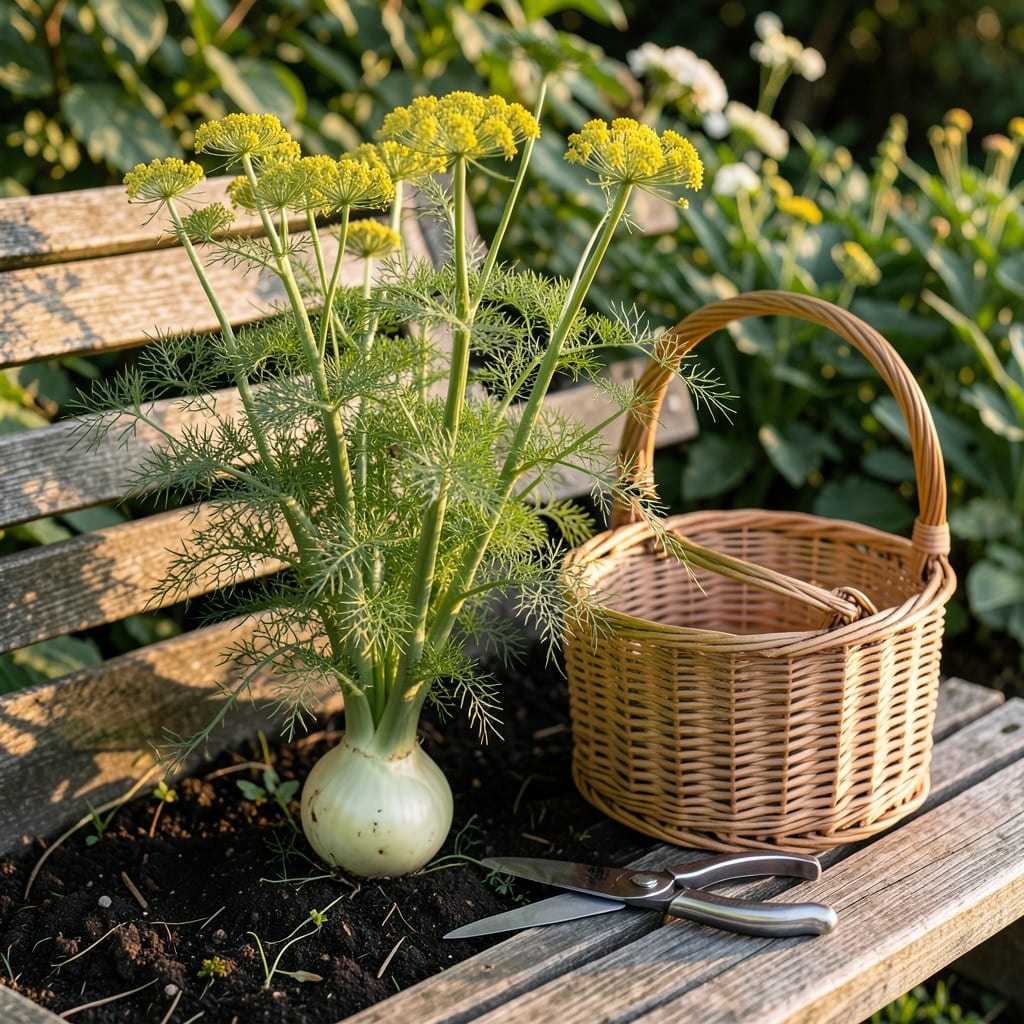
Nothing beats the satisfaction of plucking fresh 🌿 Fennel at its peak. But how do you know it’s truly ready?
I’ll show you the key signs to look for—from bulb size to foliage clues—that ensure you harvest at just the right moment for maximum flavor.


Harvesting fennel at the perfect time makes all the difference in flavor and texture. I always look for bulb diameter as the first clue—3-4 inches is the sweet spot for most varieties.
The base of the bulb should be white and firm, not soft or spongy. When I gently squeeze it, a mature fennel bulb feels dense and solid, not hollow or underdeveloped.
| Harvest Indicator | Specification |
|---|---|
| Bulb Diameter | 3-4 inches |
| Base Color | White |
| Firmness | Solid when squeezed |
| Growth Stage | 80-100 days |
| Season | June-August |
Timing matters too. I’ve found that fennel planted in spring typically reaches maturity in 80-100 days, depending on the variety and growing conditions. Check your seed packet for specifics.
The fronds also give away maturity. When the feathery leaves are lush and green, and the plant stands about 2-3 feet tall, it’s usually ready. If the lower fronds start yellowing, you might be cutting it close.
I like to harvest in the early morning when the plant’s moisture is highest. This helps preserve the crisp texture of the bulb. Avoid harvesting after heavy rain, as excess water can dilute the flavor.
If you’re growing Florence fennel, the most common bulb type, the thickened stem base is another clear sign. It should look swollen and rounded, not thin and stringy.
For best results, use a sharp knife or garden shears to cut the bulb at soil level. Be careful not to damage the surrounding roots if you plan to regrow from the base.
If you’re unsure, try the “squeeze test”. A ready fennel bulb will feel heavy and compact. If it’s still light or spongy, give it a few more days in the ground.
With these visual and physical cues, you’ll never second-guess your fennel harvest again 🌿
While bulb size is the primary indicator, I always check the foliage for secondary confirmation. The feathery fronds of mature fennel are vibrant green and stand 2-3 feet tall.
If the lower leaves begin yellowing or wilting, it often means the plant is past its prime. However, a few lower fronds turning yellow can also signal maturity, especially in hot weather.
🌿 Key Foliar Signs
A healthy fennel plant ready for harvest has full, upright fronds with a strong anise scent. Look for thick stems and dense foliage as confirmation.
I’ve noticed that seed head formation is another telltale sign. If your fennel starts producing yellow umbel flowers, the bulb may be overmature and turning fibrous. Harvest before this stage for the best texture.
The stem thickness near the base is crucial too. A mature fennel stem should measure about 1-1.5 inches in diameter where it meets the bulb. Thin stems often indicate the plant needs more time.
For Florence fennel, the outer fronds may start to flop slightly when the bulb is heavy and ready. This is normal and doesn’t affect quality, but it’s your cue to check the bulb’s firmness.
Remember, consistent watering keeps fronds lush and helps bulbs develop properly. If your plant looks stressed or wilted, it may need a drink before you consider harvesting.
By combining these foliar clues with the bulb checks, you’ll harvest at the perfect moment every time ✂️
Even experienced gardeners sometimes misjudge the harvest timing for fennel. I’ve seen premature picking lead to small, underdeveloped bulbs that lack flavor and texture.
Another common error is waiting too long. If you leave fennel in the ground past maturity, the bulb becomes fibrous and the flavor turns bitter. This often happens when the plant starts producing seed heads.
⚠️ Harvesting Pitfalls
Avoid cutting too high on the stem or pulling the plant by hand, which can damage the root system. Always use a sharp knife at soil level for a clean harvest.
I’ve also made the mistake of harvesting during heat. Picking fennel in the midday sun can cause the bulb to wilt quickly. Instead, I now aim for early morning or late evening when temperatures are cooler.
Some gardeners assume all fennel varieties have the same maturity timeline. However, Florence fennel may mature faster than bronze fennel, which is often grown for its foliage rather than bulbs. Always check the specific variety guidelines.
Finally, don’t overlook soil conditions. Harvesting when the soil is waterlogged can lead to rot or disease. I wait until the soil is slightly dry but not parched before picking.
With these tips in mind, you’ll avoid the most common mistakes and enjoy a perfect fennel harvest every time 🌱
Aim for a diameter of 3-4 inches at the base. At this size, the bulb is plump, firm, and full of flavor. Smaller bulbs may lack sweetness and texture.
A few yellowing lower leaves can signal maturity, but widespread yellowing often means it’s overripe. Harvest immediately to avoid a bitter or fibrous bulb.
It’s best to pick before flowering begins. Once yellow umbel blooms appear, the bulb can become tough and lose its mild, sweet taste.
Early morning is ideal when the plant is hydrated and crisp. Avoid midday heat, which can cause wilting and reduce flavor quality.
