
Beautiful Plants For Your Interior
Beautiful Plants For Your Interior
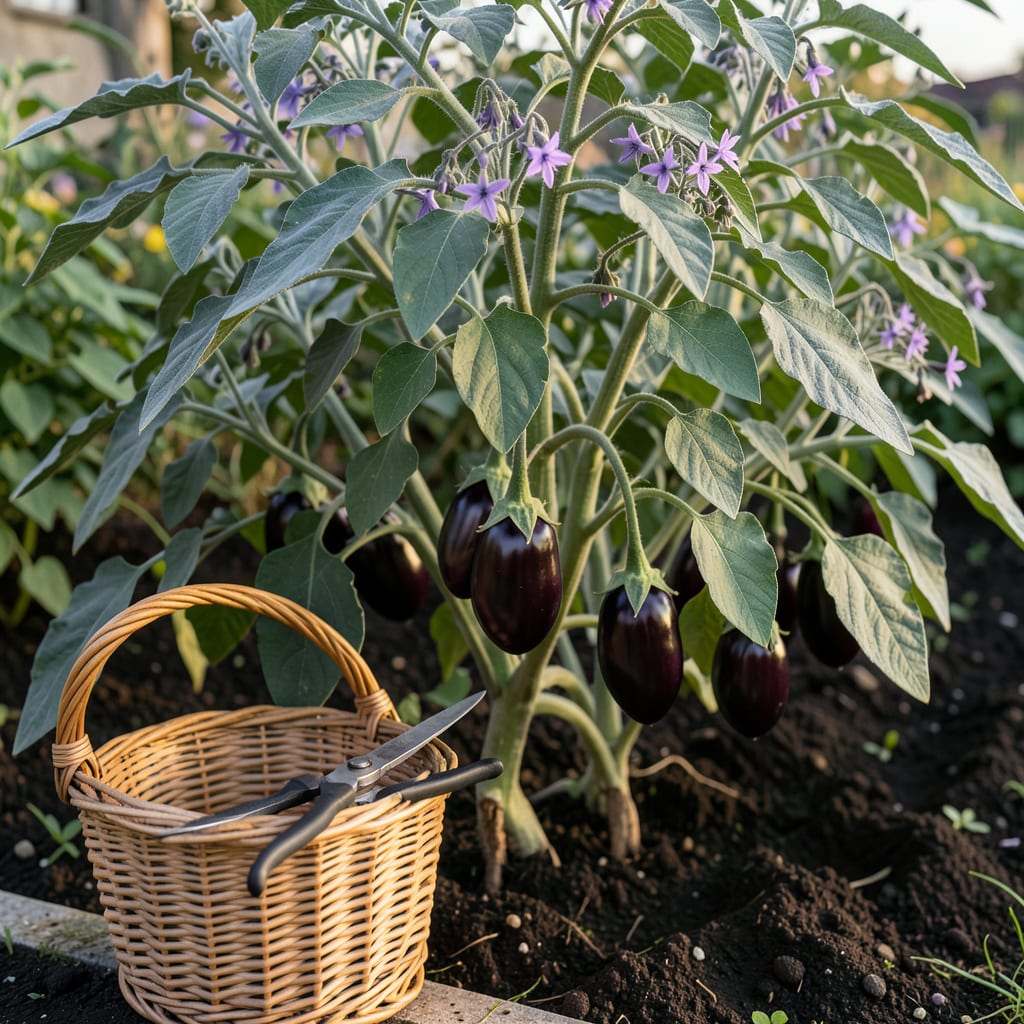
Nothing beats the satisfaction of picking your own 🍆 Eggplant at just the right moment. That glossy, deep purple skin is your first clue that it’s ready.
I’ll show you the most important signs to look for, so you never harvest too early or too late. Timing makes all the difference with this garden favorite.


I always check for that glossy purple skin first when inspecting my eggplants. A dull appearance often means it’s not quite ready for harvesting.
The fruit should feel firm but yield slightly to gentle pressure, much like a ripe avocado. This tactile test is my go-to method.
| Ripeness Sign | What to Look For |
|---|---|
| Color | Deep purple, black, or white depending on variety |
| Texture | Glossy, smooth skin |
| Firmness | Firm but slightly soft to touch |
| Size | 6-8 inches long for most varieties |
| Stem | Green and healthy-looking |
Different eggplant varieties show ripeness differently. My Black Beauty plants develop that signature deep purple, while Rosa Bianca turns a creamy white.
Size matters too. Most standard varieties reach 6-8 inches long, but I’ve learned to check the seed packet, as some Asian types are ready at just 4 inches.
The stem condition tells me a lot. A green, healthy stem means the fruit is still growing. If it turns brown or woody, I know I’ve waited too long.
I avoid harvesting when the skin looks dull or wrinkled. That’s a sure sign the eggplant is past its prime and the flesh inside will be bitter and seedy.
For the most accurate check, I use the thumbnail test. When I press lightly and the indentation springs back slowly, it’s perfect. If it bounces back instantly, it needs more time.
Remember that eggplants grow quickly in warm weather. I check my plants every 2-3 days during peak season to catch them at the right moment.
Finally, I always use sharp pruners to harvest, cutting about 1 inch above the fruit to avoid damaging the plant. This keeps my eggplants producing all season long. 🌱
I’ve learned the hard way that picking eggplants too early results in small, bitter fruit. Waiting too long makes them seedy and tough, which no gardener wants.
Using dull harvesting tools can crush the stems and invite disease. I always keep my pruners sharp to make clean cuts that help the plant recover quickly.
⚠️ Harvesting Warning: Never twist eggplants off the vine—this damages the plant. Always cut with sharp pruners to prevent stem injury.
Ignoring weather conditions is another mistake I see often. I avoid harvesting when plants are wet from rain or morning dew to prevent mold.
Damaging the main plant during harvest reduces future yields. I’m careful to only remove the fruit, leaving the healthy stems and leaves intact.
I check my plants in the cool morning hours when they’re most hydrated. This ensures the best texture and flavor in my harvested eggplants.
Finally, I never overlook small fruits hiding under leaves. These can grow oversized quickly, so I inspect the entire plant thoroughly every few days. 🌱
I always harvest my eggplants in the morning when the plants are most hydrated. This is when they’ll be at their firmest and freshest state for picking.
The cool morning temperatures help maintain the fruit’s quality. I’ve noticed my afternoon harvests sometimes wilt faster, especially in hot summer weather.
💡 Pro Tip: Pick eggplants in the early morning when they’re most turgid. This ensures maximum freshness and extends their post-harvest life.
I
After picking, I store them in a cool, dry place away from direct sunlight. This helps maintain their glossy appearance and firm texture for days.
I also avoid harvesting when the plants are wet from dew. Excess moisture can lead to mold development during storage, ruining my hard-earned harvest. 🌱
Most varieties turn deep purple when ready, but some like Rosa Bianca are creamy white. The key is a glossy finish rather than the specific shade. Dull skin usually means it’s not ripe yet.
Gently press with your thumb. It should feel firm but yield slightly, like a ripe avocado. If it’s rock hard or spongy, it needs more time.
Overripe eggplants develop bitter flesh and tough seeds. The skin may look wrinkled and the stem turns brown. Harvesting at the right time ensures the best flavor and texture.
In warm weather, check every 2-3 days. Eggplants grow quickly and can go from perfect to overripe fast. Morning is the best time to inspect them.
