
Beautiful Plants For Your Interior
Beautiful Plants For Your Interior
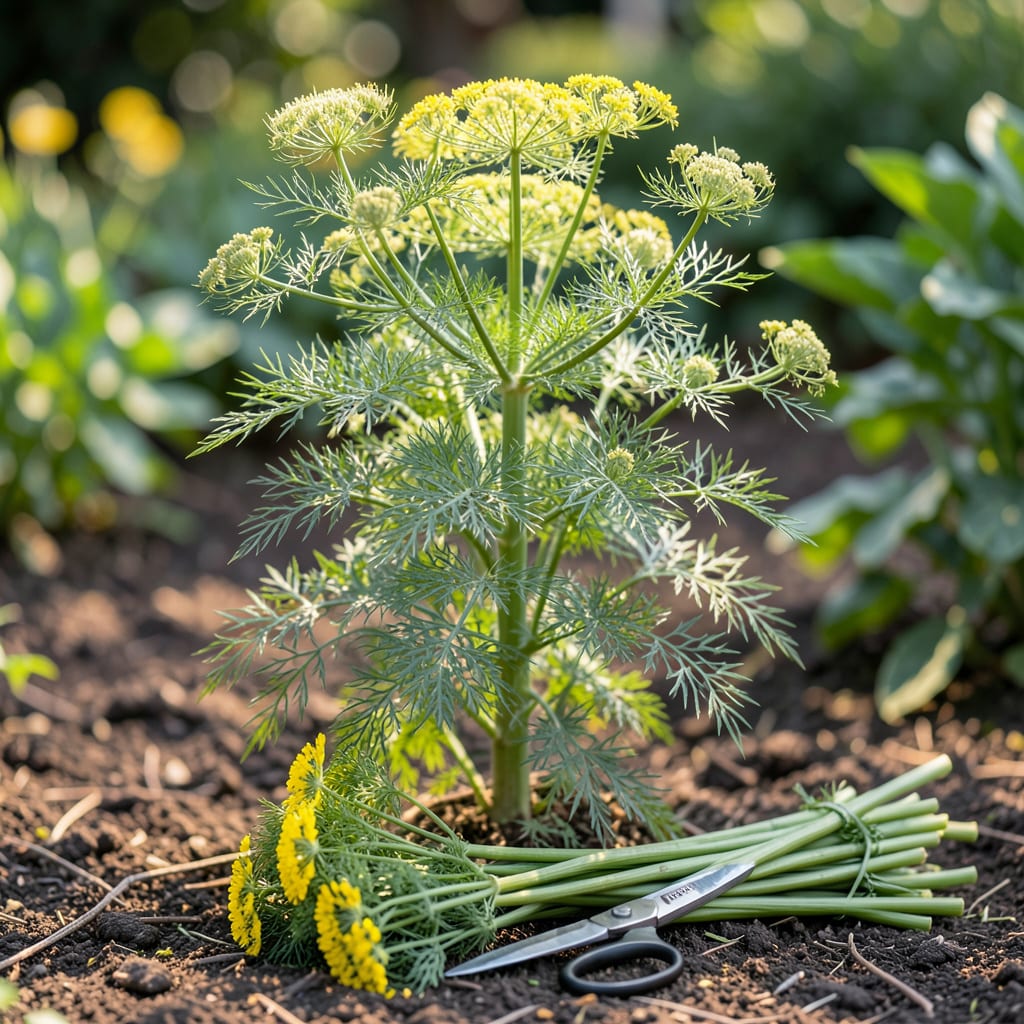
Knowing exactly when to harvest 🌿 Dill can mean the difference between flavorful leaves and bitter stems. Timing is everything for this spring herb.
I’ll show you the key signals to look for, from plant height to seed head formation. Whether you’re pickling or seasoning, these cues ensure the best harvest.


I always watch my dill plants closely as they grow, because the perfect harvest window depends on what part you want. For fresh leaves, the ideal time is when the plant reaches 12-18 inches tall with vibrant green foliage.
If you’re after dill seeds, you’ll need to wait until the plant grows 2-3 feet tall and develops those characteristic flat-topped flower clusters that turn brown when mature.
| Growth Stage | Harvest Signal | Best For |
|---|---|---|
| 12-18 inches | Feathery green leaves | Fresh herb |
| 2-3 feet | Brown seed heads | Seed collection |
| Early flowering | Yellow umbels | Both leaves/seeds |
Early harvesting gives you the most tender leaves with the best flavor. I find that cutting back the plant by one-third when it’s young encourages bushier growth and more harvests.
For seed harvesting, the timing is different. The umbel clusters will first appear as yellow flowers, then turn brown as the seeds mature. This is when the seeds are at their peak flavor.
I recommend checking your plants daily once they start flowering, as the transition from green to brown seeds happens quickly. A good test is to rub the seed head between your fingers – if seeds fall off easily, they’re ready.
The stems also give clues. When they’re sturdy but still snap easily, the plant is at its prime for leaf harvesting. If stems become woody, the leaves may turn bitter.
Remember that morning harvesting after the dew has dried gives the best flavor. I always use clean, sharp pruning shears to avoid damaging the plant.
For continuous harvests, I plant new dill seeds every 2-3 weeks throughout the growing season. This ensures I always have plants at different stages.
Watch for over-mature plants – once dill goes to seed completely, the leaves lose their flavor. The seeds, however, can be saved for next year’s planting or used in pickling.
With these growth stage signals, you’ll never miss the perfect harvest window for your dill 🌿
For the best dill seed harvest, I focus on the flower clusters called umbels. These start as yellow blooms that gradually turn brown as seeds mature inside.
The perfect moment comes when the seed heads are fully brown but before they start dropping seeds. I test readiness by gently rubbing the umbel between my fingers – if seeds fall freely, they’re ready to pick.
I’ve learned that harvesting too early gives immature seeds with weak flavor, while waiting too long risks losing seeds to self-sowing or birds. The brown stage is your sweet spot for maximum flavor.
For continuous seed production, I leave some flower heads on the plant to mature at different rates. This extends my harvest window by 2-3 weeks and ensures I don’t miss the peak.
Remember that dill seeds develop from the outside of the umbel inward. Check the outer seeds first – when they’re brown and firm, the inner seeds will follow within 3-5 days.
I always use a paper bag to collect seeds. After cutting the umbel, I place it head-first into the bag and shake gently. This catches any seeds that might fall during handling.
With these seed head signals, you’ll harvest dill seeds at their flavor peak every time ✂️
I always check my dill plants for seed head formation, which is the clearest sign that seeds are ready. The flat-topped umbels start as yellow flowers before turning brown as seeds mature.
To test seed readiness, I gently rub the seed head between my fingers. If seeds fall off easily, they’re at peak flavor and ready to harvest. This method ensures I don’t miss the narrow window.
Harvesting at the right time prevents self-sowing, which can lead to unwanted dill plants next season. I make it a habit to collect seeds before they fully dry and drop to the ground.
The transition from green to brown seeds happens quickly, often within a few days. That’s why I check my plants daily once flowering begins, ensuring I catch them at the perfect stage.
For the best flavor, I always harvest in the morning after the dew has dried. This is when the essential oils are most concentrated, giving the seeds their characteristic aroma.
With these seed head signals, you’ll always harvest your dill at its flavorful peak 🌿
Wait until plants reach 12-18 inches tall with vibrant green, feathery leaves. This ensures tender foliage with the best flavor. Harvesting earlier may yield weak-tasting sprigs.
Seed heads turn from yellow flowers to fully brown when mature. Test by rubbing the umbel—if seeds fall freely, they’re ready. Harvest before they drop naturally.
Yes, but leaves become bitter once flowers appear. For seeds, wait until the umbels turn brown. For continuous leaf harvest, pinch off early flower buds.
Harvest in the morning after dew evaporates. Essential oils are most concentrated then, giving the strongest aroma and flavor. Avoid midday heat.
