
Beautiful Plants For Your Interior
Beautiful Plants For Your Interior
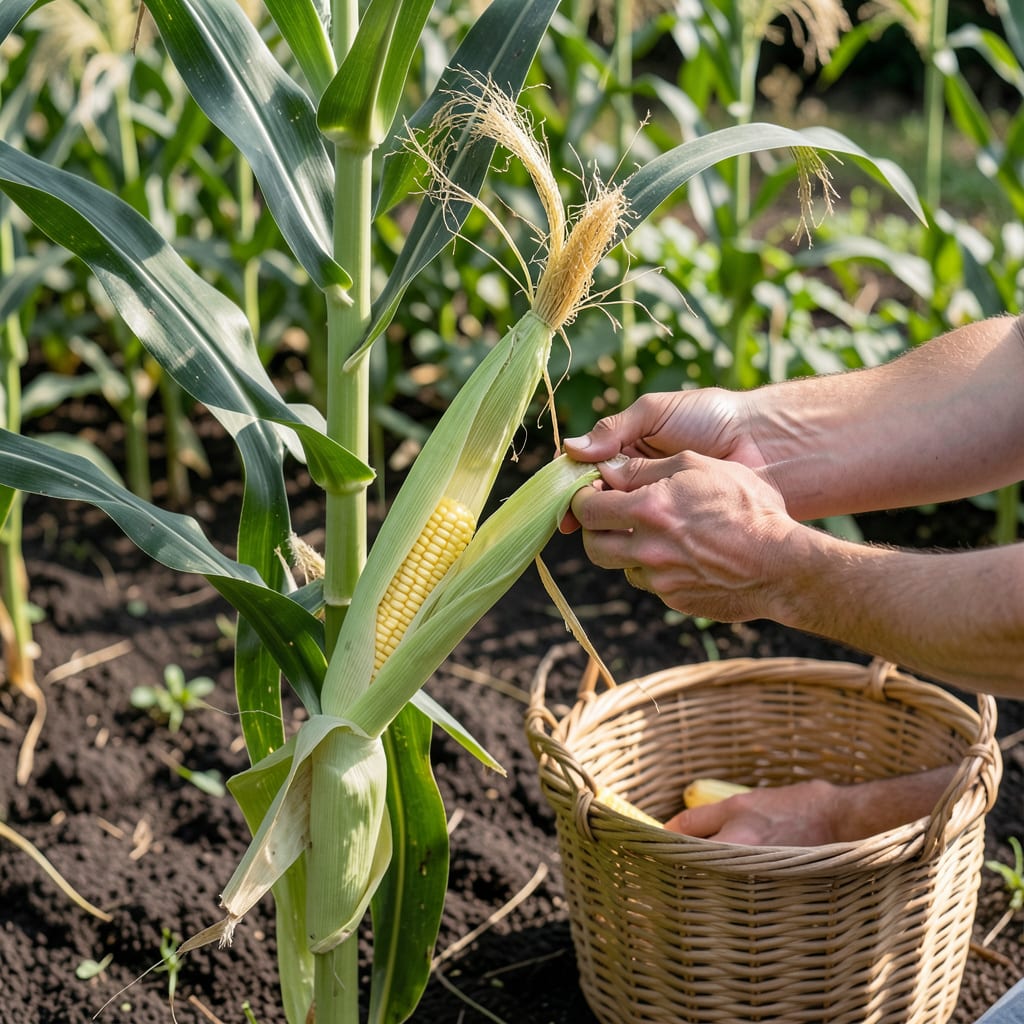
Picking corn at the perfect moment is the secret to that sweet, juicy burst of summer flavor. Miss the window, and you’ll end up with starchy, disappointing 🌽 ears.
I’ll show you the key visual cues and simple tests to determine when your corn is ready. These tips ensure you harvest at peak ripeness every time.


I’ve found that the perfect harvest window for corn is all about visual and physical cues. Timing is everything, and missing it by even a day can mean the difference between sweet, juicy kernels and starchy disappointment.
Look for brown, dry silks at the top of the ear first. This is your first clue that the corn is maturing. But don’t stop there—you’ll need to check a few more signs to be sure it’s ready.
| Sign | What to Look For |
|---|---|
| Silk Color | Brown and dry at the tip |
| Husk Appearance | Green, tight, and slightly crisp |
| Kernel Texture | Plump and filled to the tip |
| Milk Test | Pierce a kernel—milky liquid means ripe |
| Ear Firmness | Feels solid when squeezed gently |
The milk test is my go-to method for confirmation. Gently pull back the husk and pierce a kernel with your fingernail. If it releases a white, milky liquid, your corn is at peak ripeness. Clear liquid means it’s not ready yet.
Another sign is the ear’s firmness. A ripe ear of corn should feel plump and solid when you give it a gentle squeeze. If it feels soft or the kernels seem underdeveloped, leave it on the stalk a little longer.
The husk color and texture are also telling. A fresh green husk that’s tightly wrapped around the ear is a good indicator. If the husk is yellowing or loose, the corn may be past its prime.
Don’t forget to check the tassel at the top of the ear. When the silks are completely brown and dry, it’s a strong sign that the kernels have matured. This usually happens about 20 days after pollination.
I always tell fellow gardeners to harvest in the morning when the sugars are at their highest. Corn starts converting its sugars to starch as soon as it’s picked, so the sooner you harvest after sunrise, the sweeter it will be.
If you’re growing multiple varieties, keep in mind that sugar-enhanced or supersweet types may hold their sweetness longer than standard varieties. Still, checking these visual and physical signs is the best way to ensure you’re picking at the right time.
With these tips, you’ll never wonder when is corn ripe to pick again. Trust your senses, and you’ll be rewarded with the sweetest, most flavorful corn of the season 🌽
Even experienced gardeners can misjudge corn ripeness by relying on days since planting alone. I’ve learned that weather conditions and variety differences can throw off your timeline significantly.
One major pitfall is ignoring silk dryness. Some gardeners assume yellow silks mean the ear is ready, but brown, dry silks are the true indicator. Yellow silks often mean the corn still needs time to mature properly.
⚠️ Warning: Don’t Make These Mistakes
Relying solely on planting dates can lead to premature harvesting. Always combine this with physical signs like silk color and kernel texture.
Another common error is harvesting in hot weather. The heat of the day speeds up the conversion of sugars to starch, so early morning picking ensures maximum sweetness. Waiting until afternoon can result in less flavorful corn.
Misjudging the husk appearance is also a frequent issue. A yellowing husk doesn’t always mean ripeness—it can indicate over-maturity or disease. Look for fresh green husks that are tight and firm.
Some gardeners skip the milk test, assuming the ear feels ready. But piercing a kernel is the most reliable way to confirm ripeness. Clear liquid means it’s not ready, while milky liquid confirms it’s perfect for picking.
Finally, don’t forget that different corn varieties mature at different rates. Supersweet types may take a few extra days compared to standard sweet corn. Always check each ear individually for the best results 🌽
I always recommend harvesting corn in the early morning for the sweetest flavor. That’s when the sugar content is at its peak, giving you the best taste possible.
The heat of the day causes corn to convert its natural sugars into starch, which can make your harvest less sweet. Picking before the temperature rises ensures optimal sweetness.
🌱 Key Takeaway
Harvest before 10 AM for maximum sweetness. Store in a cool place immediately after picking to preserve flavor.
If you can’t pick in the morning, late evening is the next best time. Avoid harvesting during midday heat, as this is when the conversion to starch happens fastest.
Once picked, cool your corn quickly to slow the sugar-to-starch process. I like to store ears in the fridge or even plunge them in ice water for a few minutes.
For the best results, harvest when the weather is cool and dry. Avoid picking corn after heavy rain, as excess moisture can dilute the sweetness of the kernels 🌽
Check the silks first—they should be brown and dry. Then, gently squeeze the ear through the husk; a ripe ear will feel plump and firm.
Corn converts sugars to starch quickly after picking. Harvest in the early morning and cool it immediately to preserve sweetness. Waiting too long or picking in heat causes starchiness.
No, yellow silks mean the kernels aren’t fully mature. Wait until silks are completely brown and dry and confirm with the milk test for best flavor.
Most varieties are ready about 20 days after pollination. Use the silk color and kernel milk test to confirm ripeness rather than relying on days alone.
