
Beautiful Plants For Your Interior
Beautiful Plants For Your Interior
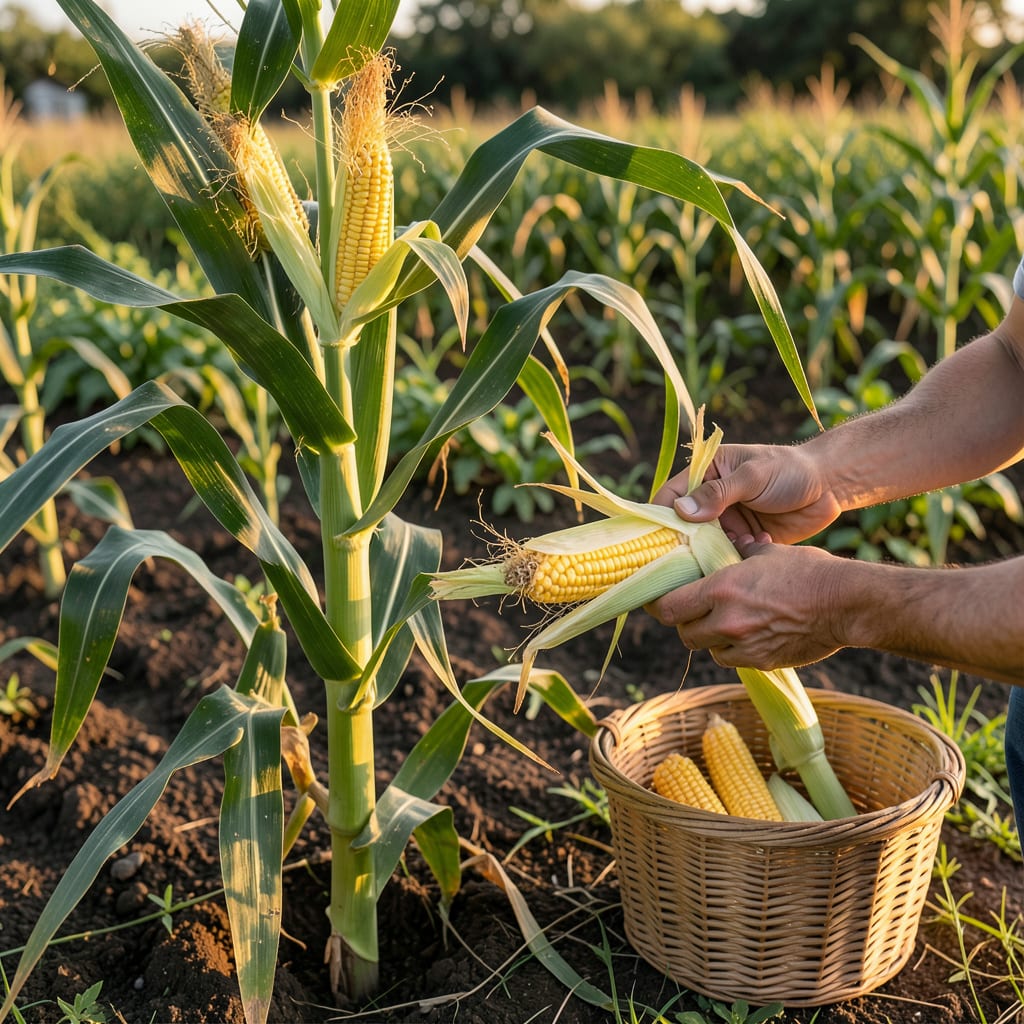
Picking corn at the perfect moment ensures sweet, juicy kernels every time. But harvest too early or too late, and you’ll miss out on that garden-fresh flavor we all love.
With 🌽 Corn ready between July and September, knowing the signs is the key to getting it just right. Let me show you exactly what to look for.


Timing is everything when harvesting corn on the cob. Picking at the right moment means sweet, tender kernels rather than starchy or underdeveloped ones. I always check for three visual cues to ensure peak ripeness.
The first sign is the silk color. When those fine strands turn brown and dry, it’s a strong indicator that the ear is maturing. But don’t stop there—combine this with other checks for the best results.
The second sign is ear plumpness. Gently squeeze the ear through the husk—if it feels full and firm, the kernels are likely ready. A skinny or underdeveloped ear means it needs more time on the stalk.
The third and most reliable test is the kernel check. Peel back a small section of the husk and pierce a kernel with your thumbnail. If it releases a milky white liquid, your corn is at peak ripeness. Clear liquid means it’s not ready yet.
I’ve found that morning harvesting preserves sweetness best. The sugars in corn start converting to starch as the day warms up, so the earlier you pick, the sweeter the kernels will taste.
Another tip: check the tassels. When the tassels at the top of the plant turn brown, it’s a good sign that the ears below are maturing. This usually happens 20-25 days after the silks first appear.
Remember, corn doesn’t continue ripening after picking. Unlike tomatoes or bananas, once it’s off the stalk, the sugar content only decreases. That’s why timing your harvest is so critical.
If you’re growing multiple varieties, note that they may mature at slightly different times. Sweet corn typically takes 60-100 days from planting to harvest, depending on the variety and growing conditions.
Finally, trust your senses. The combination of brown silks, plump ears, and milky kernels is the holy trinity of corn readiness. When all three align, it’s time to enjoy the fruits of your labor. 🌽
Testing corn ripeness doesn’t have to mean peeling back husks and risking damage. I use gentle, non-destructive methods to check if my ears are ready for harvest. These techniques preserve the plant while giving me confidence in the results.
One of my favorite methods is the thumbnail test. I carefully press my thumbnail into a kernel through a small opening in the husk. If the liquid that comes out is milky white, the corn is ready to pick.
Another effective method is the husk squeeze. By gently pressing on the ear through the husk, I can feel if it’s plump and full. If it feels thin or underdeveloped, I leave it on the stalk for a few more days.
I also pay attention to the tassel color. When the tassels at the top of the plant turn brown and dry, it’s a good sign that the ears are nearing maturity. This usually happens about 20-25 days after the silks first appear.
Avoid the mistake of peeling back husks too early, as this can expose the ear to pests and reduce sweetness. Instead, use these subtle checks to gauge ripeness without harming the plant.
Remember, corn is best harvested in the early morning when the sugars are at their peak. As the day progresses, the sugars begin to convert to starch, which can affect the flavor and texture.
🌽Picking corn on the cob at the wrong time can really affect your harvest. Harvest too early, and you’ll end up with underdeveloped kernels that are watery and lack sweetness.
Leave it on the stalk too long, and the sugars turn to starch, making the kernels tough and bland. I’ve learned the hard way that timing is everything when it comes to corn.
If you pick corn too early, the kernels won’t have developed their full sugar content. They’ll be small, and the liquid inside will be clear rather than milky. This corn often tastes bland and doesn’t have that classic sweet corn flavor.
On the other hand, overripe corn loses its tenderness. The kernels become doughy and starchy, which is great for cornmeal but not for fresh eating. The husks may also start to loosen, making the ear more susceptible to pests.
To salvage a less-than-perfect harvest, I use early-picked corn for soups or stews where texture is less critical. For overripe corn, I might dry the kernels for future use in bread or cornbread recipes. But for the best fresh flavor, stick to the peak ripeness window. 🌽
Gently squeeze the ear through the husk—it should feel plump and firm. Look for brown, dry silks at the top, which indicate pollination is complete and kernels are developing properly.
Harvest in the early morning when sugar content is highest. As temperatures rise, sugars begin converting to starch, reducing sweetness and tenderness by evening.
Corn is typically ready 20-25 days after silks first appear. This varies slightly by variety and growing conditions, but silks turning brown and dry is your best visual cue.
Early-picked corn works well in soups where texture isn’t critical. Overripe corn can be dried for cornmeal or used in baked goods. But for best flavor, harvest at peak ripeness.
