
Beautiful Plants For Your Interior
Beautiful Plants For Your Interior
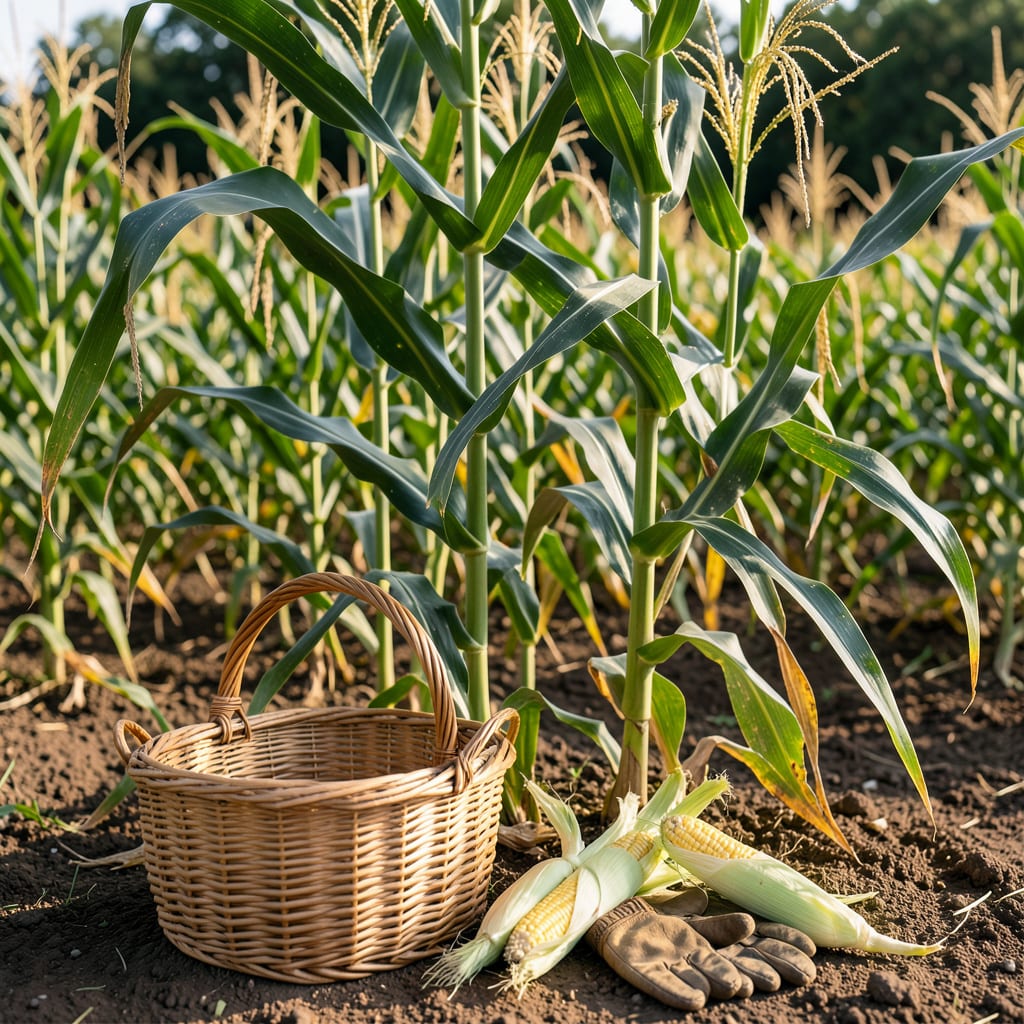
Timing your Indiana corn harvest perfectly can make all the difference. I’ve seen firsthand how missing that sweet spot by just a few days can impact both yield and quality.
With 🌽 corn, the window is tighter than you might think. Discover the key signs and regional factors that’ll help you pick at just the right moment for the best results.
In Indiana, corn harvest timing varies by variety and region. Sweet corn typically matures faster than field corn, with early varieties ready in 60-70 days after planting.
Field corn, which dominates Indiana’s agriculture, usually reaches harvest maturity between 100-120 days, depending on the hybrid and planting date. Northern counties often harvest 1-2 weeks later than southern areas.
| Corn Type | Harvest Window | Key Notes |
|---|---|---|
| Sweet Corn | Late July – August | Early varieties in 60-70 days |
| Field Corn | September – October | 100-120 days to maturity |
| Popcorn | Late August – September | Harvest when kernels are hard |
| Northern Indiana | 1-2 weeks later | Cooler climate delays maturity |
For sweet corn, I recommend checking kernel moisture with the thumbnail test. Pierce a kernel – if it releases milky liquid, it’s ready for harvest.
In central Indiana, most farmers plant field corn in late April to early May. With a 100-day variety, this puts harvest around mid-September to early October.
The USDA Zone 5b-6a climate in Indiana means we need to watch for early frosts. I’ve seen late-planted corn damaged by October frosts, so timing is critical.
Early-season varieties can be harvested as soon as late July in southern Indiana. These are great for gardeners wanting to stagger plantings for continuous harvest.
For popcorn, wait until husks are completely dry and kernels are hard. This usually happens in late August for most Indiana varieties.
Remember that rainfall patterns can affect maturity. A dry July might accelerate development, while excessive rain could delay it by a week or more.
I always recommend keeping a harvest journal. Note your planting dates, variety names, and first harvest dates to refine your timing each year. ☀️
In Indiana, the corn harvest window isn’t just about the calendar. I’ve found that planting dates and weather conditions play huge roles in determining when your crop will be ready.
Growing degree days (GDD) are the key metric farmers watch. Corn needs about 2,000-2,500 GDD to reach maturity, which typically accumulates between June and September in Indiana. ☀️
I always track soil temperature at planting. Corn needs 50°F minimum, but 60°F is ideal for uniform emergence. Planting in cold soil can delay harvest by 7-10 days.
Drought conditions in July can stress plants and reduce yield. I recommend irrigating during tasseling and silking stages to maintain development.
In northern Indiana, the shorter growing season means we often choose early-maturity varieties. These can reach harvest 5-7 days sooner than full-season hybrids.
Late planting (after June 1) increases risk of frost damage. I’ve seen late-planted corn fail to mature before October frosts, so timing is everything.
For the most accurate predictions, I use the Purdue University Corn GDD Tool. It helps calculate exact maturity dates based on your planting date and location. 🌱
Knowing when to pick your Indiana corn is all about reading the plant’s signals. I always check for visual cues before testing the kernels, as looks can be deceiving with corn maturity.
The husks are your first clue. When they turn brown and dry, it’s a sign the ears are nearing readiness. This typically happens as the silks darken to a deep brown color.
🌱 Pro Tip: Test kernel moisture by piercing with your thumbnail. Milky liquid means it’s ready; clear liquid means it needs more time.
Next, feel the ears. Ready corn will have plump, firm ears that feel heavy in your hand. If they still feel small or soft, give them a few more days in the field.
For sweet corn, I check the kernels daily once the husks start drying. The milky stage is perfect for fresh eating. For field corn, wait until kernels are hard and dented when pressed.
Remember that early morning is the best time to harvest. The ears will be cooler and fresher, preserving their quality longer after picking. 🌽
Harvest in the early morning when ears are coolest and freshest. This preserves sweetness and quality longer after picking.
Overripe corn has dry, tough kernels and the milky liquid turns starchy. Husks may also appear very brittle and brown.
Yes, the cooler climate in northern counties typically delays harvest by 1-2 weeks. Southern Indiana often starts harvesting in late July for early varieties.
For field corn, light frost won’t hurt, but sweet corn quality declines rapidly. Aim to finish before October 15, Indiana’s average first frost date.
