
Beautiful Plants For Your Interior
Beautiful Plants For Your Interior
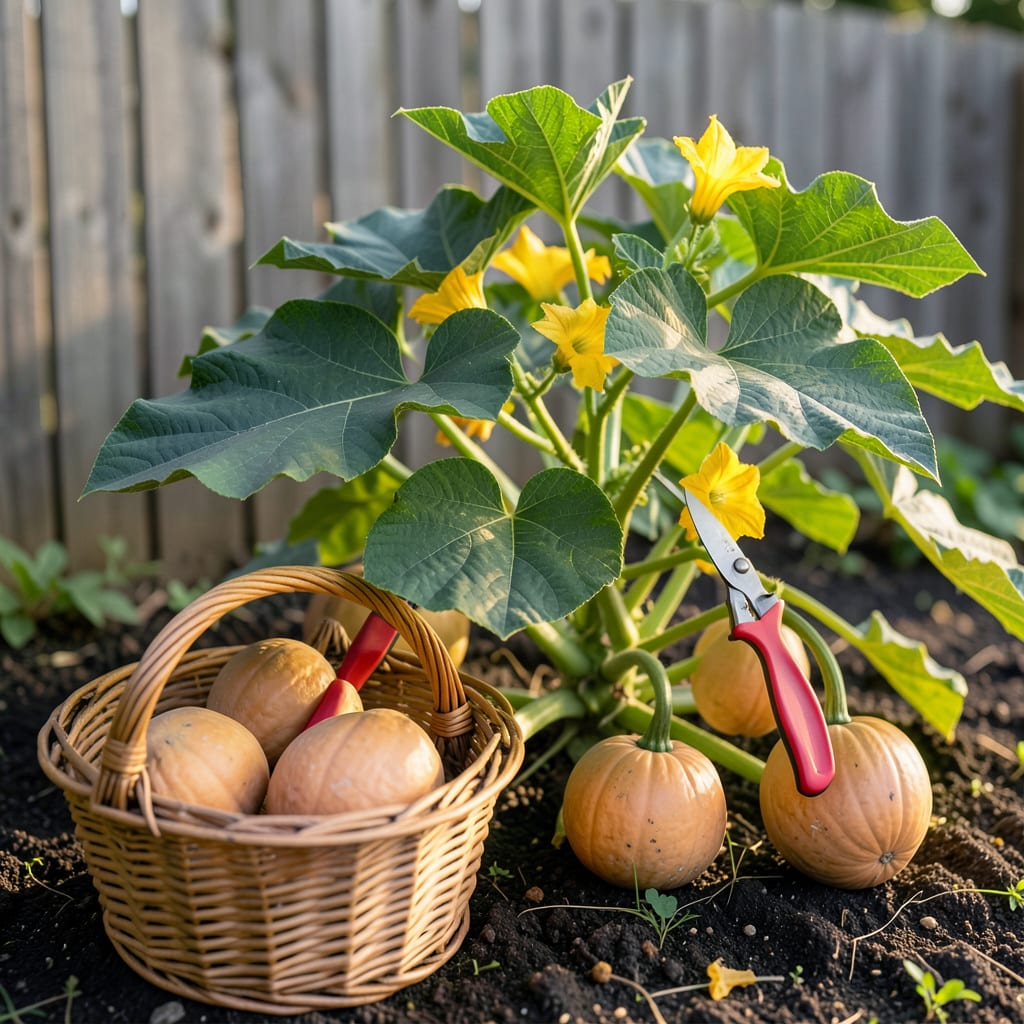
Knowing exactly when to harvest your 🎃 Butternut Squash can make or break your crop. Timing is everything—miss the window, and you risk tough skin or bland flavor.
I’ll walk you through the easiest signs to spot, from stem hardness to rind tests, so you pick at peak perfection. Let’s get it right the first time.


Harvesting butternut squash at the right time ensures the best flavor and storage life. I check for deep tan color first—it should be uniform, not pale or greenish.
The rind hardness test is my go-to: if I can’t puncture the skin with my fingernail, it’s ready. This means the squash has matured properly inside. ☀️
| Sign | What to Look For |
| Rind Color | Deep tan and even |
| Skin Hardness | Cannot be punctured with fingernail |
| Stem Condition | Dry and woody |
| Vine Appearance | Yellowing or dying back |
Another key indicator is the stem condition. A mature butternut squash will have a dry, brown stem—not green or moist. This shows the plant has stopped feeding the fruit.
I also watch the vines closely. When they start to yellow and die back, it’s a clear signal that the squash is nearing harvest time. This usually happens in late summer or early fall.
The fingernail test is simple but effective. Press your nail into the skin—if it doesn’t leave a mark, the squash is ready. Soft skin means it needs more time on the vine.
Color consistency is another giveaway. A fully ripe butternut squash will have a rich, uniform tan with no green streaks. Patchy color often means it’s not quite there yet.
Timing matters too. Most varieties take 85 to 100 days from planting to harvest. If you planted in late spring, start checking in early fall.
I avoid harvesting after heavy rain or when the soil is wet. This can lead to rot during storage. A dry, sunny day is ideal for picking. 🌱
Finally, leave a 1-2 inch stem when cutting. This prevents moisture loss and extends the squash’s shelf life. Use clean, sharp pruning shears for a clean cut.
Even experienced gardeners make harvesting mistakes with butternut squash. The most common error I see is picking too early, which results in underdeveloped flavor and poor storage life.
Another frequent issue is damaging the stem during harvest. A broken stem can lead to premature spoilage, so always use clean, sharp pruning shears.
⚠️ Avoid These Harvesting Pitfalls
Picking Too Early: Leads to bland flavor and soft texture. Wait for hard rind and dry stem.
Ignoring Weather: Harvest on dry days to prevent rot. Wet conditions can ruin your crop.
Cutting Too Close: Always leave 1-2 inches of stem to extend shelf life.
I’ve also seen gardeners ignore weather conditions. Harvesting after rain or when the soil is damp can introduce moisture-related issues that ruin your squash in storage.
Using the wrong tools is another mistake. A dull knife or rough handling can bruise the squash, making it more susceptible to disease. Always use sharp, clean tools for a clean cut.
Timing your harvest too late can be just as bad as too early. Overripe squash may have stringy texture or split open on the vine. Stick to the 85-100 day maturity window.
Finally, don’t forget to cure your squash after picking. Place it in a warm, dry location for 10 days to harden the skin further and improve storage life. 🌱
Understanding the butternut squash growth timeline helps me plan my harvest perfectly. Most varieties take 85 to 100 days from planting to maturity, depending on conditions. ☀️
I start counting from the day I plant seeds or seedlings. In warm climates, the process may be faster, while cooler areas might extend the timeline slightly.
Butternut Squash Growth Stages
The first 30 to 45 days focus on vine growth. I ensure my plants get full sun and consistent watering during this period to establish strong vines.
Next comes the flowering stage, around days 45-55. I watch for bright yellow blossoms, which are essential for fruit production. Bees and other pollinators play a crucial role here.
Fruit development begins after pollination. Over the next 30 to 40 days, the squash grows rapidly. I monitor for uniform color and increasing size as signs of progress.
Finally, the maturity stage arrives. I use the rind hardness test and check for a dry stem to confirm readiness. The vines often start to yellow and die back at this point. 🌱
A fully ripe one will have a deep, uniform tan color with no green streaks. Patchy or pale color means it needs more time on the vine.
Yes, if the rind is hard and the stem is dry. While dying vines are a sign, they’re not the only indicator of ripeness.
Use the fingernail test: press your nail into the skin. If it doesn’t puncture the rind, it’s ready to harvest.
It will have a bland flavor, soft texture, and poor storage life. Always wait for the hard rind and dry stem to ensure quality.
