
Beautiful Plants For Your Interior
Beautiful Plants For Your Interior
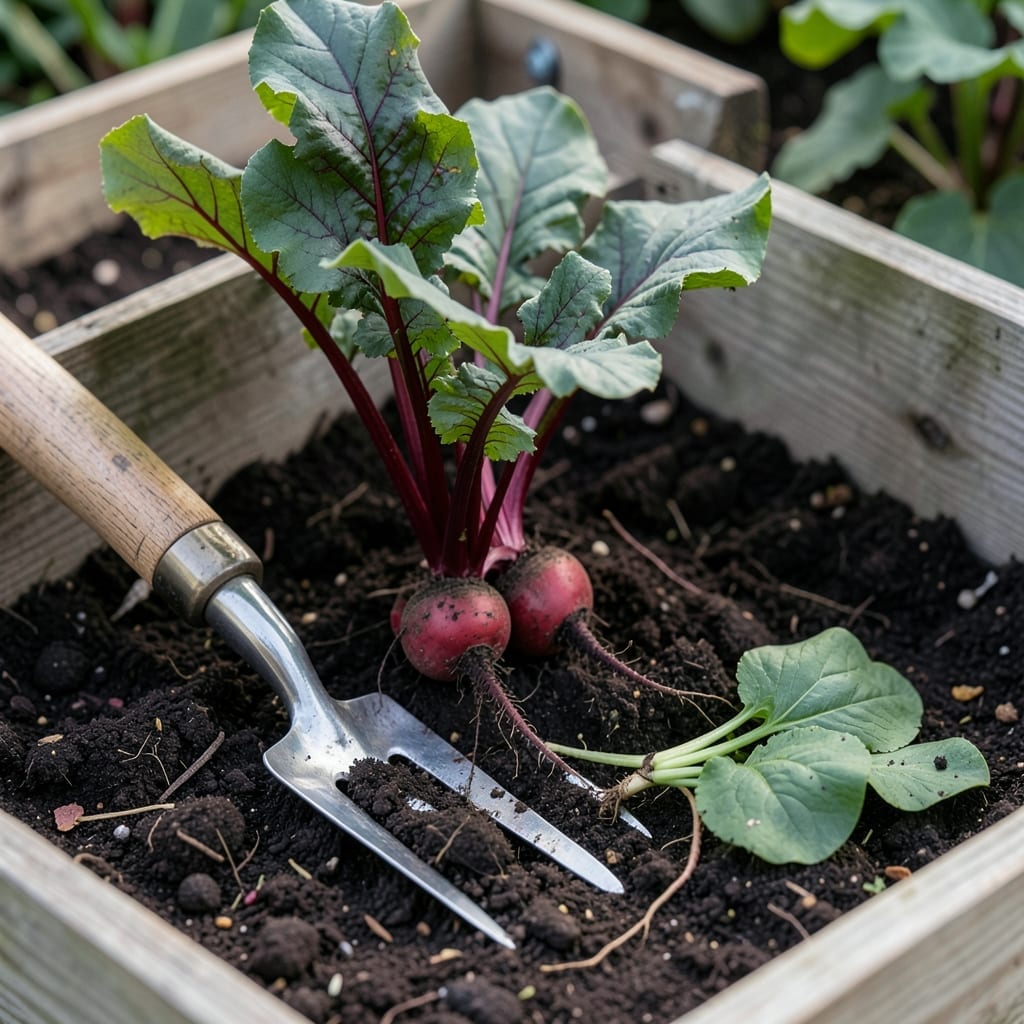
Timing is everything when it comes to growing beets—plant too early or too late, and you might miss out on a bountiful harvest. Knowing the ideal beet 🥬 season for your region ensures sweet, tender roots and vibrant greens all season long.
In Zone 6, you can plant in March-April for a spring harvest or August-September for fall picked beets. These windows align perfectly with the plant’s 60-day growth cycle.
I’ll show you how to identify the best planting times and recognize when your beets are ready to pick. Let’s get started on your most successful beet season yet.
Knowing the right planting window for your USDA zone makes all the difference with beets. These cool-season crops thrive in spring and fall, when temperatures stay between 40°F and 75°F for optimal growth.
In cooler northern zones like 3-5, beets can go in as early as April for a summer harvest. Southern gardeners in zones 8-10 often plant in fall or winter to avoid summer heat that makes roots woody.
| Zone | Planting Time | Harvest Time |
|---|---|---|
| 3-4 | May-June | July-August |
| 5-6 | March-April, August-September | May-June, September-October |
| 7-8 | February-March, September-October | April-May, November-December |
| 9-10 | October-November | December-February |
For Zone 6 gardeners, I recommend starting seeds outdoors as soon as the soil is workable in early spring. The 60-day varieties like ‘Detroit Dark Red’ will be ready by early summer if planted in March.
In warmer zones, fall planting is often more successful. The cooler temperatures produce sweeter beets. Just be sure to harvest before the first hard frost, as beets can handle light frosts but not prolonged freezes.
Beets are cold-hardy, so don’t fear light frosts. In fact, a light frost can enhance their sweetness. But in Zone 3, you’ll want to start seeds indoors about 4-6 weeks before the last frost date.
The key is watching your local weather patterns. Beets germinate best in soil temperatures between 50°F and 85°F. If your soil is still cold, the seeds may rot before sprouting.
For fall crops, count backward from your first expected frost. Since beets need about 60 days to mature, plant seeds about 10-12 weeks before that date for a full harvest.
Remember that beet greens are edible too! You can start harvesting young leaves about 30 days after planting, while waiting for the roots to size up. This gives you two crops from one planting.
Each beet variety has its own ideal timing. Babybeat matures in just 50 days, while Chioggia needs closer to 75 days. Always check your seed packets for the most accurate timing.
I love using succession planting to keep my beet harvest going strong. By staggering plantings every 2-3 weeks, you can enjoy fresh beets from early spring through late fall without gaps.
Start with early varieties like ‘Babybeat’ in early spring, then follow with mid-season types such as ‘Detroit Dark Red’ for your next planting. This ensures a continuous supply of tender roots.
For summer plantings, choose heat-tolerant varieties like ‘Boltardy’ that won’t go to seed in warm weather. These maintain good flavor even when temperatures climb above 75°F.
In fall, I plant cold-hardy varieties such as ‘Lutz Winter Keeper’ about 10 weeks before the first expected frost. These can often be left in the ground and harvested as needed.
With this approach, I’ve managed to harvest fresh beets for 8-9 months of the year. The key is planning ahead and being ready to plant new seeds as soon as the previous batch is established 🌱