
Beautiful Plants For Your Interior
Beautiful Plants For Your Interior
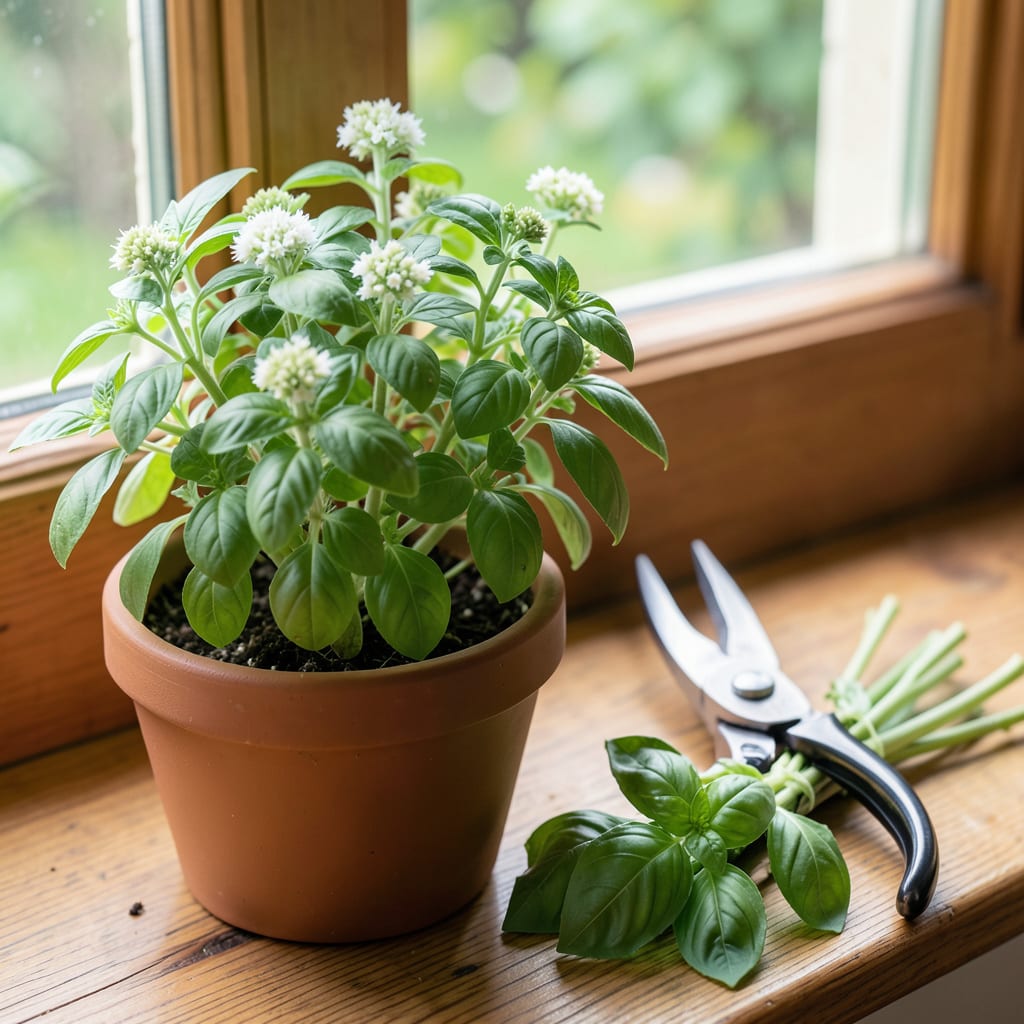
I used to guess when my 🌿 Basil was ready, often picking it too soon or too late. The difference in flavor and plant health is stunning when you get the timing right.
There are clear signs to watch for—like height and leaf development—that tell you it’s go time. I’ll show you exactly what to look for so you never second-guess again.


I’ve learned that basil gives clear signals when it’s ready for harvesting. The most reliable indicator is plant height—your basil should reach at least 6 to 8 inches tall before you start picking. This ensures the plant has enough foliage to recover and continue growing.
Another key sign is the development of true leaves. Look for 4 to 6 sets of leaves along the stem, as this shows the plant is mature enough to handle harvesting without stress. The leaves should also appear vibrant green and full-sized.
| Sign | Description |
|---|---|
| Height | 6 to 8 inches tall |
| True Leaves | 4 to 6 sets developed |
| Leaf Color | Vibrant green and full-sized |
| Stem Condition | Firm but snaps cleanly |
| Flower Buds | Harvest before full bloom |
The stem condition is another telltale sign. A ready basil plant will have firm stems that snap cleanly when bent. If the stems are thin or bend without breaking, the plant isn’t ready yet. This firmness indicates strong growth and readiness for harvesting.
I also watch for the appearance of flower buds. While small buds are normal, you should harvest your basil before it fully blooms. Once flowers open, the leaves can turn bitter, and the plant’s energy shifts from leaf production to seed development.
Timing your harvest in the morning after the dew has dried yields the best flavor. The essential oils in basil are most concentrated at this time, giving you the most aromatic and flavorful leaves. Avoid harvesting in the heat of the day, as this can stress the plant.
If your basil is less than 6 inches tall or has pale, small leaves, it’s not ready. These are signs the plant is still immature. Patience pays off—waiting for these indicators ensures a healthier plant and a more abundant harvest.
For the best results, I check my basil plants weekly during the growing season. This helps me catch the perfect moment when the plant meets all the readiness criteria. Consistent monitoring also allows me to harvest in stages, ensuring a continuous supply.
Remember, harvesting basil correctly encourages bushier growth. By removing the top sets of leaves, you stimulate the plant to branch out, producing more foliage for future harvests. This practice extends your harvest season significantly.
Finally, always use clean, sharp tools like pruning shears or scissors to avoid damaging the plant. Cut just above a leaf pair to promote new growth. This simple step makes a big difference in the health and productivity of your basil.
With these signs in mind, you’ll never wonder when is basil ready to harvest again ✂️
I always use clean, sharp tools like pruning shears or scissors when harvesting basil. This prevents plant damage and reduces the risk of disease. Dull tools can crush stems, slowing recovery and growth.
The best time to harvest is in the morning after the dew dries. At this time, the essential oils are most concentrated, giving you the most flavorful leaves. Avoid harvesting during the heat of the day.
When cutting, always snip just above a leaf pair. This encourages the plant to branch out from that point, producing two new stems where there was one. This technique keeps your basil bushy and productive all season long.
Never remove more than one-third of the plant at once. Taking too much can stress the basil and slow its recovery. I find that regular, light harvests work better than occasional heavy ones for maintaining plant health.
After harvesting, I give my basil a light watering if the soil feels dry. This helps the plant recover from the stress of pruning. Be careful not to overwater, as soggy soil can lead to root problems.
Consistent harvesting actually extends your harvest season. By regularly removing the top growth, you prevent the plant from flowering too early. This keeps it in a vegetative state, producing more of those delicious leaves we love.
With these techniques, your basil will stay healthy and productive all season ✂️
I’ve seen many gardeners make the mistake of harvesting basil too early. Picking when the plant is under 6 inches tall or has small, pale leaves stunts its growth and reduces future yields. Patience is key for a thriving plant.
Another common error is cutting the main stem instead of snipping above leaf pairs. This prevents the plant from branching out and can leave you with a sparse, leggy basil instead of a full, bushy one.
⚠️ Avoid These Harvesting Pitfalls:
Over-harvesting is another issue I see often. Taking more than one-third of the plant at once can stress it and slow down recovery. I recommend light, frequent harvests to keep the plant healthy and productive.
Timing matters too—many people harvest in the afternoon when the sun is strongest. The best time is in the morning after the dew has dried, as this is when the essential oils are most concentrated.
Lastly, neglecting post-harvest care can lead to problems. Always check the soil moisture after harvesting and water lightly if needed. This helps your basil recover and continue growing strongly.
Steer clear of these mistakes, and your basil will reward you with abundant, flavorful leaves all season long ✂️
Wait until your basil reaches at least 6 to 8 inches in height. This ensures the plant has enough foliage to recover and continue growing after harvesting.
Yes, and you should! Harvest basil before flower buds fully open to prevent bitterness. Once flowers bloom, the leaves lose flavor as the plant focuses on seed production.
Harvest in the morning after the dew dries. This is when essential oils are most concentrated, giving you the most aromatic and flavorful leaves.
If the plant is under 6 inches tall, has pale or small leaves, or stems that bend without snapping, it’s not ready. Wait for darker green, full-sized leaves.
