
Beautiful Plants For Your Interior
Beautiful Plants For Your Interior
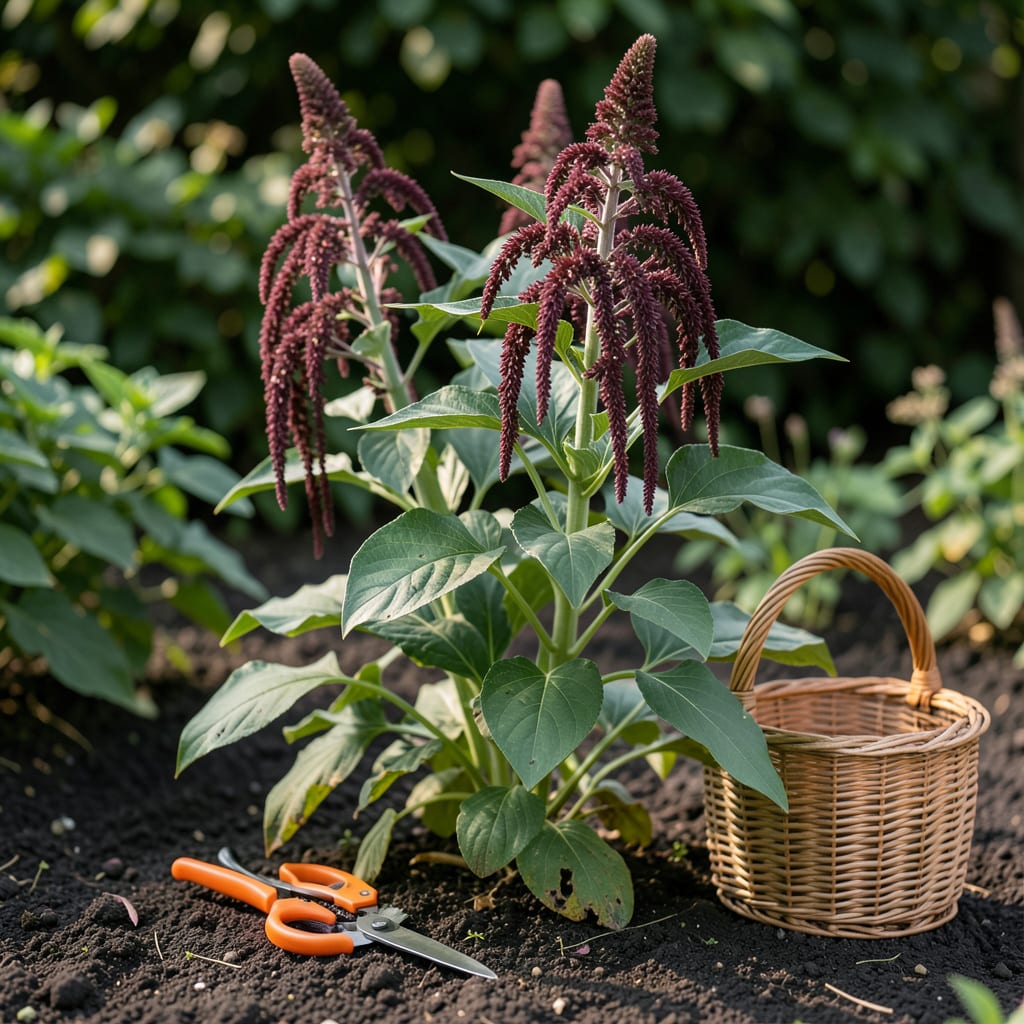
I remember the first time I grew 🌿 Amaranth, staring at those seed heads wondering if they were ready. That uncertainty is what separates a good harvest from a missed opportunity.
Timing is everything with this plant. Discover the simple tests to know exactly when your Amaranth is at its peak for picking.


I’ve learned that amaranth seed heads give clear signals when they’re ready. The most obvious sign is a color change from vibrant green to deep brown or reddish-brown. This transformation typically starts at the top of the seed head.
Another reliable test is the dryness check. Gently shake the seed head—if the seeds rattle inside, they’re likely dry enough for harvest. This usually happens 75-90 days after planting, depending on the variety.
| Sign | Description |
|---|---|
| Color | Seed heads turn brown or red |
| Sound | Seeds rattle when shaken |
| Texture | Seeds are hard and dry |
| Stem | Turns from green to brown |
| Leaves | Begin to yellow and dry |
For grain amaranth, the seed heads often turn a rich golden-brown. Leaf varieties, however, may show readiness when the lower leaves yellow while the seed heads are still partially green.
Climate plays a role too. In hotter, drier regions, amaranth may mature 10-15 days faster. I noticed my plants in full sun with consistent watering reached harvest time right at the 75-day mark.
The tactile test is my go-to method. Press a seed between your fingers—if it’s hard and doesn’t dent, it’s ready. Soft seeds mean the plant needs more time.
Watch the stem color as well. When it transitions from green to brown and becomes brittle, the seeds are nearly ready. This often coincides with the first frost date in cooler zones.
I recommend checking plants daily once they’re close to maturity. Amaranth seeds can shatter quickly if left too long, especially in windy conditions. A light breeze can scatter your harvest overnight.
For the best results, harvest on a dry, sunny morning. Dew can add moisture to the seeds, making them seem unready. Wait until the foliage is dry to the touch before collecting your seed heads.
Remember that leaf amaranth can be harvested earlier for greens, but for seeds, patience is key. The plant puts all its energy into the seed heads in the final weeks, so resist the urge to pick prematurely.
🌿Once your amaranth seed heads show those telltale brown colors and pass the rattle test, it’s time to collect them. I always start by checking the weather forecast for a dry spell to prevent moisture issues.
For maximum yield, I use sharp pruners to cut the entire seed head stalk about 6 inches below the seed cluster. This method prevents seed loss that can occur with individual picking.
I’ve found that hanging stalks in a well-ventilated area works best for drying. A dark, dry space like a garage or shed prevents mold while allowing seeds to finish maturing.
The paper collection method is my favorite trick. By placing clean paper under the hanging stalks, I catch any seeds that might fall during the drying process. This can add 10-20% more to your harvest.
For large-scale harvesting, some gardeners use a fine mesh bag to cover seed heads while still on the plant. This prevents birds from eating the seeds while allowing airflow for drying.
🌿
I’ve made my share of amaranth harvesting mistakes, and the biggest was picking too early. Those green seed heads might look tempting, but the seeds won’t be fully mature or viable for storage.
Waiting too long is another common error. Once seeds are ready, they can shatter easily in wind or rain. I lost an entire crop one year by delaying harvest just 3 days too long.
⚠️ Warning: Harvesting too early results in immature seeds that won’t store well. Waiting too long risks seed loss from shattering.
Improper drying can ruin a good harvest. I learned to never dry seeds in direct sunlight or humid conditions. This can cause mold growth or uneven drying, reducing seed quality.
Another mistake is using the wrong tools. Pulling seed heads by hand often damages the plant and scatters seeds. I now always use sharp pruners for clean cuts that preserve the stalk.
Finally, don’t skip the dryness test. Even if seed heads look brown, always check that seeds are hard and dry inside. Moist seeds will spoil in storage.
🌿Press a seed between your fingers. If it’s hard and doesn’t dent, it’s ready. You can also shake the seed head—if you hear a rattling sound, the seeds are dry.
For leaf varieties, you can pick young leaves early, but wait until seeds mature for grain types. Harvesting leaves won’t harm seed production, but focus on one or the other for best results.
Seeds will shatter and scatter in wind or rain. I once lost an entire crop by delaying just 3 days. Check plants daily once they’re close to maturity.
Harvest on a dry, sunny morning after dew evaporates. This ensures seeds are at their driest and prevents moisture from affecting storage quality.
