
Beautiful Plants For Your Interior
Beautiful Plants For Your Interior
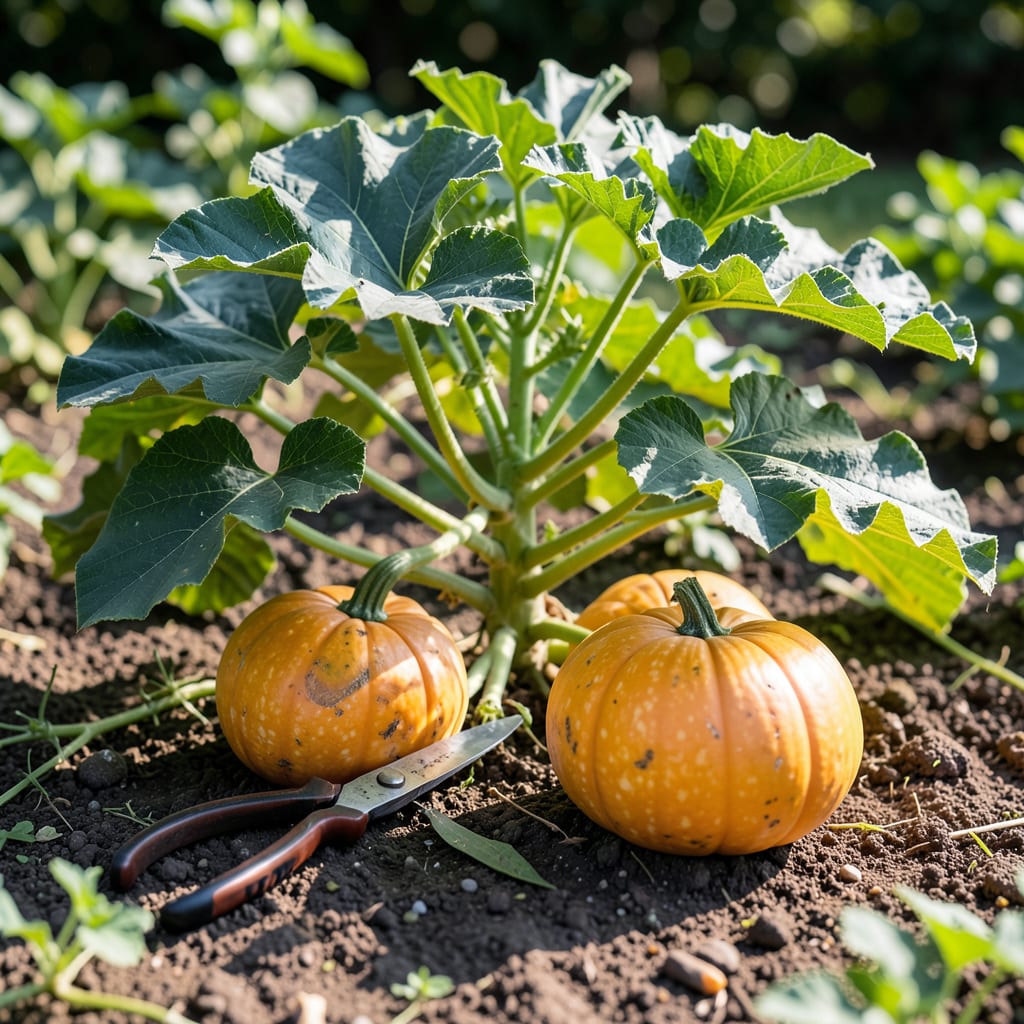
Nothing beats the satisfaction of harvesting your own 🎃 Acorn Squash at just the right moment. Timing is everything when it comes to flavor and storage life.
I’ve learned the hard way that waiting for those two key signs makes all the difference. Here’s how to know your squash is perfectly ripe and ready to pick.


I’ve found that the stem hardening and rind test are the most reliable ways to check if your acorn squash is ready. These two signs tell you more than color or size ever could about ripeness.
When the stem turns dry and woody brown, it’s a clear signal the squash is maturing. The rind should be so hard that your thumbnail can’t pierce it easily.
The stem test is my go-to because it’s foolproof. A green stem means the squash isn’t ready, while a brown, corky stem indicates maturity. This change happens as the plant redirects energy away from the fruit.
The rind test confirms what the stem suggests. If your thumbnail leaves no mark, the squash will store well and taste sweet. Soft rinds mean the squash is still developing sugars and starches inside.
I always combine both tests for accuracy. A hard rind with a dry stem is the gold standard. If only one test passes, I give it a few more days in the garden to be sure.
Remember that acorn squash typically takes 80-100 days to mature from seed. If you planted in early summer, start checking around late August in most zones.
Another tip: harvest before the first frost. Cold temperatures can damage the squash, even if it looks ripe. I use a sharp knife to cut the stem, leaving 1-2 inches attached to help with storage.
If you’re unsure, pick one and let it cure in a warm, dry place for a week. This can help underripe squash develop better flavor and storage ability. Just don’t wait too long, as overripe squash can become stringy.
In my experience, morning is the best time to harvest. The plants are firm and the squash is less likely to be stressed from heat. Plus, it gives you the whole day to process your harvest if needed.
☀️While the stem hardening and rind test are your primary guides, color changes and size offer helpful backup signals. I watch for a deep green base with orange blotches as my squash matures.
A mature acorn squash typically measures 6-8 inches long and feels heavy for its size. But don’t rely on appearance alone—some varieties stay green even when ready. 🌱
Color Check: Look for deep green with orange patches or a uniform dark green hue.
Size Guide: Measure 6-8 inches in length and 4-6 inches in diameter.
Weight Test: A ripe squash feels solid and heavy compared to its size.
I’ve learned that uneven color or pale green often means the squash isn’t ready, even if it looks big enough. The thumbnail test on the rind remains my most reliable method.
Some gardeners make the mistake of harvesting based on size alone. I always combine color, size, and the rind test for the most accurate results. This trio of checks prevents underripe disappointments. 🌿
Remember that weather conditions can affect color development. In cooler seasons, your squash might mature with less orange but still be perfectly ripe. Trust the rind hardness above all else.
When in doubt, I leave the squash on the vine for a few more days. It’s better to wait for full maturity than to harvest too early and lose that sweet flavor and storage potential. ✂️
Timing your acorn squash harvest perfectly ensures the best flavor and storage life. Picking too early means you’ll get underripe squash that lacks natural sweetness and won’t store well. These immature fruits often have soft rinds and watery flesh. ☀️
On the other hand, leaving acorn squash on the vine too long can lead to overripeness. Overripe squash develops a stringy texture and may split open, making it unusable. The seeds also become overly large and hard. 🌱
If you accidentally harvest early, try ripening indoors in a warm, dry place. While it won’t reach full sweetness, it may develop a firmer texture. For overripe squash, use it quickly or compost if the flesh is compromised. 🌿
I always check my acorn squash daily as harvest time approaches. The window between perfect ripeness and overripeness can be just a few days. Watch for that deep color and hard stem to avoid mistakes.
Remember, frost can ruin your crop. Harvest all acorn squash before the first frost, even if they’re slightly underripe. It’s better to ripen indoors than to lose your crop to cold weather. ✂️
Most varieties reach full maturity in 80-100 days from planting. In typical growing zones, this means starting to check for ripeness around late August if you planted in early summer.
Once the stem turns dry and woody, harvest within a few days. Waiting too long risks overripening, which can lead to stringy texture or splitting. The ideal window is short.
This is a common confusion. A green stem means it’s not fully mature, even if the rind seems hard. Always check both the stem and rind together for accuracy.
Harvest all squash before the first frost, even if slightly underripe. Cold temperatures can ruin the crop, and indoor ripening is safer than risking frost damage.
