
Beautiful Plants For Your Interior
Beautiful Plants For Your Interior
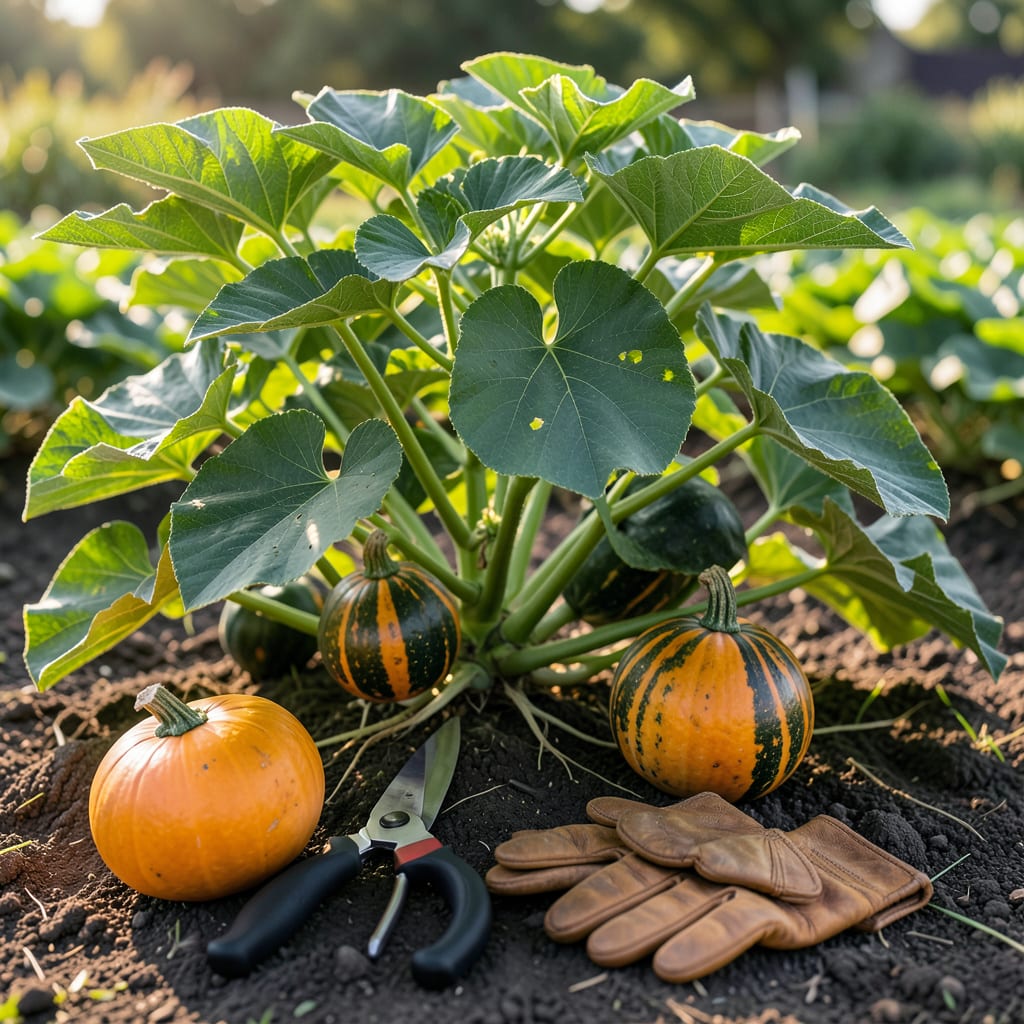
Ever stared at your 🎃 Acorn Squash patch wondering if it’s time to harvest? Timing is everything with this garden favorite.
I’ll show you the easiest ways to check for ripeness. From color changes to the nail test, you’ll know exactly when to pick for the best flavor.


Timing your acorn squash harvest perfectly ensures the best flavor and storage life. The rind hardness and color depth are your first visual clues that it’s ready to pick.
I always check the stem condition too—when it turns dry and woody, that’s a sure sign your squash has matured on the vine. These simple checks take the guesswork out of harvesting. 🌱
| Sign | Description |
| Rind Hardness | Hard and dull, can’t be punctured with fingernail |
| Stem Condition | Dry and brown, not green or moist |
| Color | Deep and uniform (green, orange, or white) |
| Vine Condition | Leaves yellowing and starting to die back |
| Days to Maturity | 70-100 days from planting |
The nail test is my go-to method for checking ripeness. Press your fingernail into the squash rind—if it leaves a mark, the squash needs more time.
A hard rind that resists puncture means the squash is ready. This test works for all acorn squash varieties, whether they’re green, orange, or white. ☀️
Another reliable sign is the stem color. A mature acorn squash will have a dry, brown stem, not green. If the stem snaps off easily, it’s ready to pick.
I also look at the overall color. A ready squash has a deep, uniform hue. Pale or uneven color means it needs more time on the vine.
The vine condition can give you clues too. When the leaves start yellowing and dying back, your squash is likely ripe and ready for harvest.
For best results, check multiple squash on the same plant. If they all show these ripeness signs, it’s time to harvest your entire crop. 🌿
Remember, acorn squash typically takes 70-100 days from planting to reach maturity. This varies slightly by variety and growing conditions.
Harvesting acorn squash at the wrong time can ruin your hard work. Picking too early often results in soft rinds and watery flesh that lacks sweetness.
Left on the vine too long, the squash may develop stringy texture or split open. Both scenarios shorten storage life significantly. 🌱
Remember that cool weather can slow ripening. If an early frost threatens, harvest your squash even if slightly underripe—they’ll continue maturing indoors. 🌿
Beyond the basics, I use these expert techniques to confirm my acorn squash is perfectly ripe. The tap test is one of my favorites for quick verification in the garden.
Gently tap the squash with your knuckle—if it sounds hollow, it’s ready. This works because the seeds inside have fully developed and loosened from the flesh. 🌱
For the most accurate results, I combine all these methods. The nail test and stem check are my go-to confirmations, while the tap test gives me that final confidence boost before picking.
Remember that cool mornings are ideal for harvesting. The squash will be firmer and easier to handle when it’s not hot from the afternoon sun. 🌿
Use the nail test: press your fingernail into the rind. If it leaves a mark or punctures, it needs more time. A ready squash has a hard rind that resists puncture.
A dry, brown stem indicates full maturity. If it’s still green and moist, the squash isn’t ready. The stem naturally dries as the fruit ripens on the vine.
Yes! Harvest before the first frost even if slightly underripe. They’ll continue to mature indoors. Store in a warm, dry place for 5-7 days to finish ripening.
Uneven color often means it needs more time. A ready squash has a deep, uniform hue. Pale spots or green streaks indicate it’s not quite ripe yet.
