
Beautiful Plants For Your Interior
Beautiful Plants For Your Interior
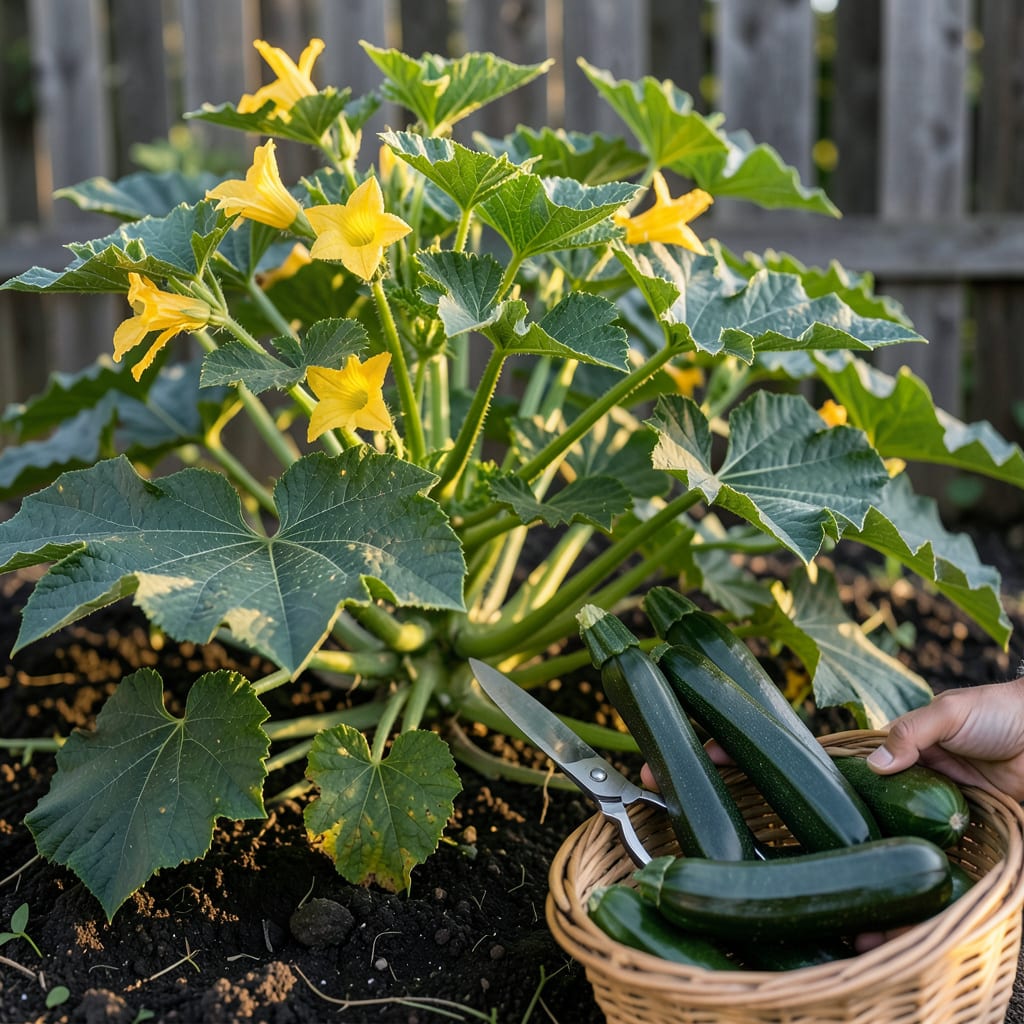
Picking your 🥒 Zucchini at the perfect moment ensures the best flavor and texture, but waiting too long can turn your harvest into giant, seedy disappointments.
Knowing the exact signs to look for makes all the difference in your garden’s success. I’ll show you how to spot that perfect window.


Timing your zucchini harvest perfectly ensures tender, flavorful produce. I’ve learned that waiting for the right visual cues prevents those oversized, seedy disappointments we all dread in the garden.
Zucchini grow incredibly fast, often ready just 45-50 days after planting. Missing the ideal window by even a day or two can drastically change texture and taste.
I always check my zucchini plants daily once they start flowering. These squash can grow an inch or more in a single day during peak season, so regular monitoring is key.
The flower end offers another clue. If the blossom is still attached or just recently fallen off, your zucchini is likely at its prime. This is nature’s way of signaling peak freshness.
A gentle squeeze test helps confirm readiness. Press your fingernail into the skin—if it leaves a small mark, the zucchini is tender enough to harvest.
Remember, color varies by variety. Dark green types should be deep and uniform, while yellow zucchini should be bright and vibrant. Any pale or faded spots often indicate overmaturity.
I’ve found that morning harvesting works best. The plants are hydrated, making the zucchini firmer and easier to pick without damaging the vine.
If you spot a zucchini larger than 10 inches, it’s likely past its prime. The seeds inside will be big and hard, and the flesh may taste bitter or stringy.
Don’t forget to check under leaves—zucchini can hide! I’ve discovered many perfect specimens lurking beneath the foliage, nearly missed because they blended into the greenery.
With these visual indicators in mind, you’ll consistently harvest zucchini at its peak. Your garden’s productivity and your meals will thank you for the attention to detail. 🌱
Harvesting zucchini properly keeps your plant healthy and productive. I always use clean, sharp tools to avoid tearing the vine or spreading disease to my garden’s prized producers.
The best time to pick is in the early morning when plants are hydrated. This makes the zucchini firmer and easier to remove without harming the stem or nearby fruit.
💡 Pro Tip: Use pruning shears or a sharp knife to cut the stem cleanly, leaving 1-2 inches attached to the zucchini. Never pull or twist the fruit off.
I’ve found that daily checks are essential during peak season. Zucchini can grow rapidly overnight, so what was perfect yesterday might be oversized today.
Always support the fruit with one hand while cutting with the other. This prevents the zucchini from dropping and potentially damaging the plant or bruising the vegetable.
After harvesting, I inspect the plant for damage. Remove any broken leaves or stems immediately to prevent pests or diseases from entering through wounded areas.
Leaving zucchini on the vine too long transforms your harvest from tender to tough. I’ve seen 6-inch beauties turn into 2-foot monsters in just a few days during peak growing season.
The first sign of overmaturity is the skin becoming hard and dull. What was once a glossy, firm surface turns into a thick, leathery barrier that’s difficult to pierce with a fingernail.
⚠️ Warning: Overripe zucchini develop large, hard seeds and bitter flesh. The longer you wait, the more the plant diverts energy to seed production instead of new fruit.
Inside, the seed cavity expands dramatically. Those tiny, edible seeds in young zucchini grow into woody, inedible behemoths that take up most of the vegetable’s interior space.
The flavor suffers too. Instead of the mild, slightly sweet taste we love, overripe zucchini develop a bitter, stringy texture that’s unappealing raw or cooked.
Your plant’s productivity also declines. The energy spent growing oversized zucchini could have produced 2-3 more harvestable fruits if picked at the right time.
If you do end up with oversized zucchini, all isn’t lost. You can compost them or use the seeds for next year, though I prefer to catch them at the perfect 6-8 inch stage for the best results. 🌱
Pick when they reach 6-8 inches long and 1-2 inches thick. Smaller ones are more tender, while larger ones become fibrous and seedy.
Morning is best when plants are hydrated, making zucchini firmer. Evening harvesting is fine but may result in softer fruit that’s harder to cut cleanly.
Flowers often fall off before harvest. As long as the skin is glossy and firm and the size is right, it’s still ready to pick.
No, unlike some fruits, zucchini won’t continue ripening off the vine. Pick at peak size for the best texture and flavor.
