
Beautiful Plants For Your Interior
Beautiful Plants For Your Interior
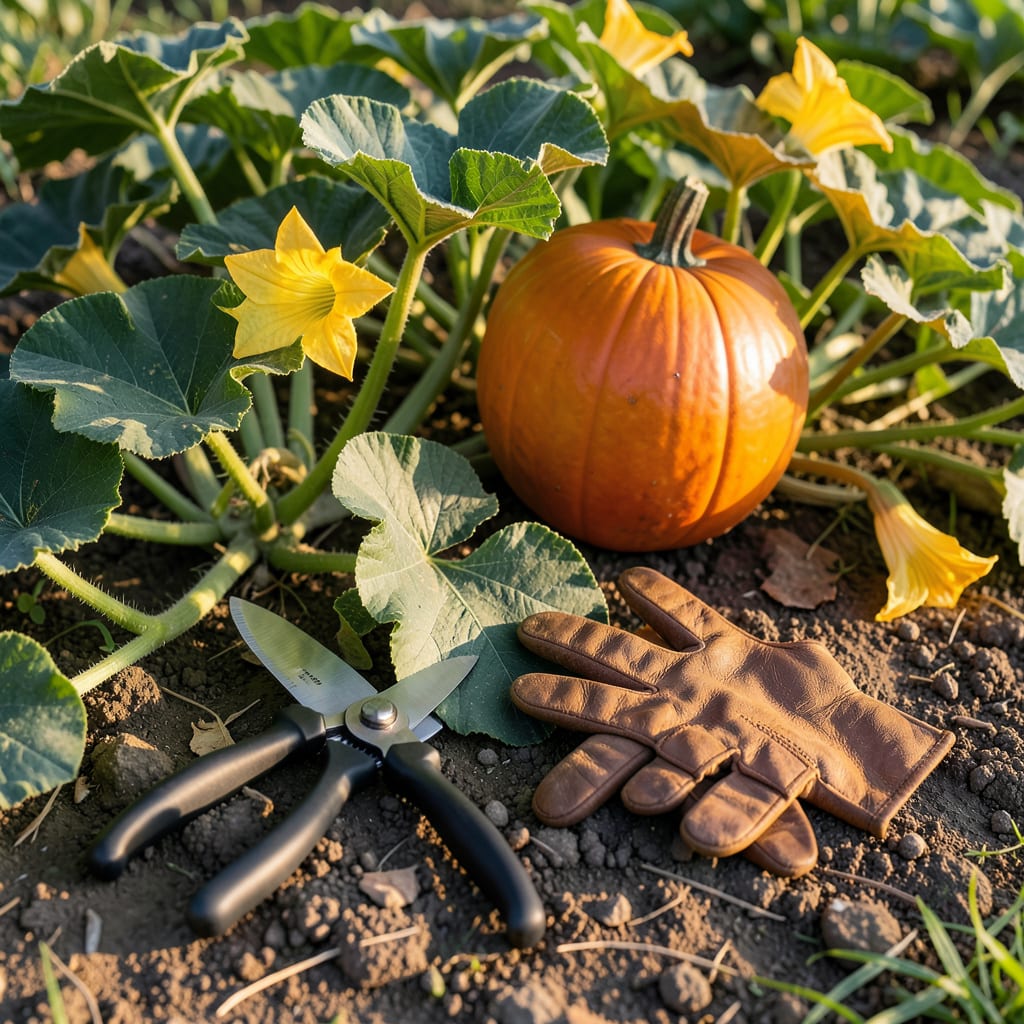
Picking a Pumpkin 🎃 at just the right moment turns a good harvest into a great one. Timing is everything when you’re aiming for that perfect sweetness and texture.
I’ll show you the foolproof signs to watch for, from color changes to that telltale hollow sound. Let’s make sure your next harvest is your best yet.


I always check the color first when determining if a pumpkin is ready. Most varieties turn a deep solid orange, but some heirlooms may be white or green. The key is that the color should be even all over with no pale spots left.
Next, I examine the rind hardness. A ripe pumpkin will have a rind that’s tough to puncture with your fingernail. If it gives easily, it needs more time on the vine.
| Sign | What to Look For |
|---|---|
| Color | Deep, solid, even hue |
| Rind | Hard, can’t puncture with nail |
| Stem | Dry, woody, and brown |
| Vine | Leaves yellow and dying back |
| Sound | Hollow when tapped gently |
The stem condition is another reliable indicator. When it turns dry and woody, and starts to pull away from the vine, your pumpkin is likely ready. A green stem means it’s not quite there yet.
Don’t overlook the vine itself. As pumpkins ripen, the leaves nearest the fruit will begin to yellow and die back. This is nature’s way of saying the plant is directing its energy to the fruit.
The tapping test is my favorite foolproof method. Gently tap the pumpkin with your knuckles – a hollow sound means it’s ripe, while a dull thud indicates it needs more time.
Remember that size isn’t everything. While most pumpkins reach their full size before ripening, some smaller varieties might be ready earlier. Always combine multiple signs for the most accurate assessment.
For giant pumpkins, the same rules apply but on a larger scale. I’ve found they often take longer to mature, sometimes up to 120 days, so be patient with these varieties.
If you’re growing white pumpkins like Lumina or Ghost, they’ll turn from green to a creamy white when ripe. The other signs – hard rind, dry stem – still apply.
Lastly, consider the weather forecast. If a hard frost is coming, it’s better to harvest your pumpkins a little early rather than risk them being damaged by cold temperatures.
By combining these five key signs, you’ll never have to guess if your pumpkin is ready. It’s all about observing and trusting what the plant is telling you through these visual and physical cues.
I’ve seen many gardeners rush their harvest and pick pumpkins too early. This is the number one mistake that leads to underripe fruit with poor texture and flavor.
Another common error is ignoring the weather. A light frost won’t harm pumpkins, but a hard freeze can damage them. Always check the forecast before deciding to wait.
⚠️ Warning: Never pick a pumpkin with a green stem. This means it’s still drawing nutrients from the vine and isn’t ready for harvest.
Some gardeners make the mistake of focusing only on size. While pumpkins do grow larger as they mature, size alone isn’t a reliable indicator of ripeness.
I’ve also seen people overlook stem health. A pumpkin with a damaged or rotting stem won’t store well, even if it’s ripe. Always handle the stem carefully during harvest.
Another timing error is harvesting too late. If you leave pumpkins on the vine past their peak, they can become overripe and mushy, or attract pests.
Remember that different varieties have different maturity times. What works for a Jack-O’-Lantern might not apply to a Sugar Pie or giant Atlantic pumpkin.
By being aware of these common mistakes, you can avoid the pitfalls that many gardeners encounter. It’s all about patience and attention to detail when determining the perfect harvest time. ☀️
Once you’ve harvested your perfectly ripe pumpkin, proper storage is key to making it last. I always start with a curing period of about 10 days in a warm, dry place to harden the skin.
After curing, store your pumpkins in a cool, dry location with temperatures between 50-55°F. A garage or cellar works well for most gardeners.
I recommend placing pumpkins on wooden pallets or cardboard to prevent moisture buildup. This also allows for air circulation around all sides of the fruit.
Never store pumpkins near apples or pears as they release ethylene gas which can cause your pumpkins to spoil faster. Keep them isolated from other fruits and vegetables.
With proper storage, most pumpkins will keep for 2-3 months. Some varieties like Long Island Cheese can last even longer under ideal conditions. 🌱
Most varieties turn a deep solid orange, but some heirlooms may be white or green. The color should be even all over with no pale spots.
Press your fingernail into the rind. If it resists puncture and feels tough, it’s ready. A soft rind means it needs more time.
Yes! A dry, woody stem that pulls away from the vine signals readiness. A green stem means it’s still ripening.
This is natural as the plant redirects energy to the fruit. Yellowing leaves are a key sign the harvest window is near.
