
Beautiful Plants For Your Interior
Beautiful Plants For Your Interior
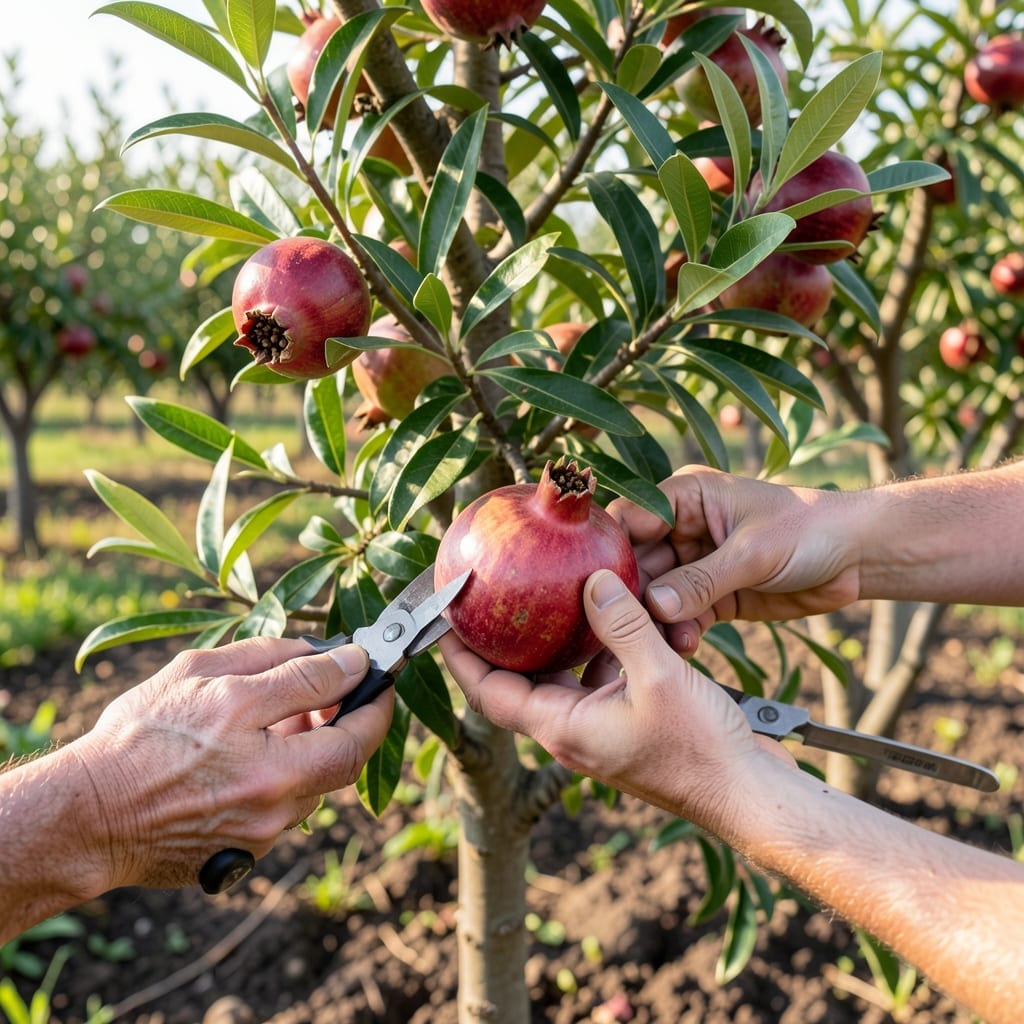
Nothing beats the disappointment of cutting open a pomegranate only to find it’s not quite ready. With the 🍇 Pomegranate, timing is everything for that perfect burst of sweetness.
I’ve learned the hard way that guessing the harvest window can lead to tart, underripe fruit. But there are clear signs to watch for that take the guesswork out of the process.
Let me share the visual cues and timing secrets that ensure you pick your pomegranates at their peak. You’ll never question ripeness again.
I’ve found that the color transformation is the first clue. A ripe pomegranate shifts from green or yellow to a deep red or purple, depending on the variety. This rich hue signals the sugars are developing inside.
The skin should feel smooth and leathery, not shiny or soft. If it’s still glossy, the fruit isn’t ready. A slightly rough texture means the arils are plumping up with juice.
| Ripeness Sign | What to Look For |
|---|---|
| Color | Deep red or purple |
| Skin Texture | Leathery, not shiny |
| Firmness | Firm with slight give |
| Stem End | Dry and brown |
| Sound | Metallic when tapped |
The stem end is another telltale spot. When ripe, it turns brown and dry, almost like a tiny wooden cap. If it’s still green, the fruit needs more time on the tree.
I always check the weight of the fruit. A ripe pomegranate feels heavy for its size, a sign the juice-filled arils have fully developed. Compare it to others on the branch to gauge readiness.
Gently press the fruit. It should yield slightly to pressure, like a firm apple. If it’s rock hard, it’s not ready. If it’s soft, it may be overripe or starting to spoil.
Listen for the metallic sound when you tap it. This unique ping indicates the seeds are mature and the fruit is at peak ripeness. It’s one of my favorite tricks for confirming readiness.
Watch for slight cracking on very ripe fruit. While not ideal for storage, this means the arils are at their juiciest and sweetest. Harvest immediately if you see this.
The seasonal timing helps too. Most pomegranates ripen between September and November, depending on your climate. In warmer zones, they may be ready earlier.
Finally, taste-test one if you’re unsure. The arils should be jewel-toned and burst with sweetness. If they’re pale or tart, give the others more time. Patience pays off with this fruit! 🌿
I’ve learned some clever non-invasive tricks to check if a pomegranate is ready. The tapping method is my go-to. Gently tap the fruit and listen for a metallic ping—this means it’s ripe.
Another reliable test is the weight check. A ripe pomegranate feels heavy for its size, indicating the arils inside are plump and juicy. Compare it to others on the tree for reference.
The skin tightness test is also useful. Press gently—the skin should feel firm but yield slightly. If it’s too soft, it might be overripe. If it’s hard, it needs more time.
Timing is key. Most pomegranates need 120-180 days after flowering to ripen. I keep track of the blooming date to estimate the harvest window accurately.
The stem end should be dry and brown. If it’s still green, the fruit isn’t ready. This is one of the most reliable signs I use in my garden.
For the best results, combine these methods. I usually start with the tapping and weight tests, then confirm with skin tightness and stem color. This way, I’m confident I’m picking at the perfect time. 🌱
Always harvest in the morning when temperatures are cooler. This helps preserve the fruit’s freshness and flavor during storage. It’s a small step that makes a big difference. 🌿