
Beautiful Plants For Your Interior
Beautiful Plants For Your Interior
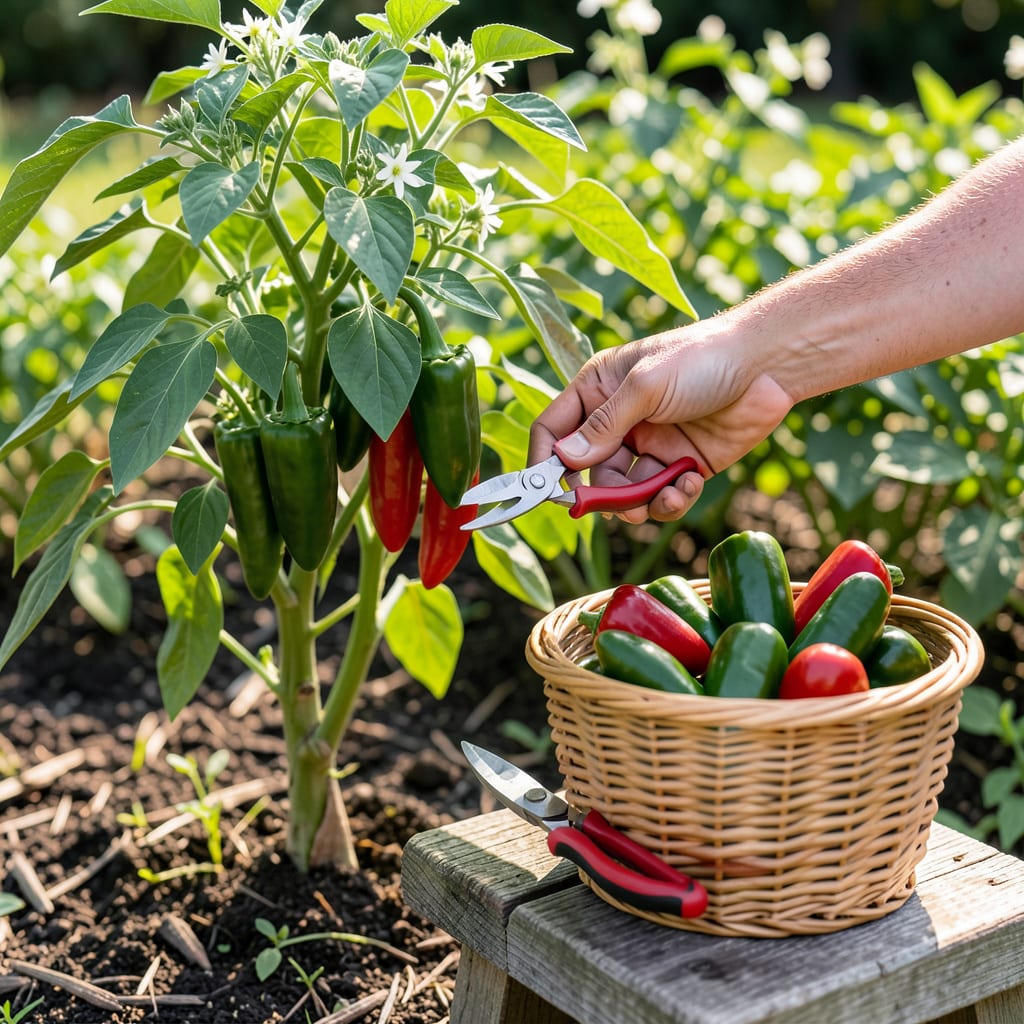
That moment when your 🌱 jalapeños finally look ready—but are they really? Picking too soon means missing out on that perfect crunch and heat, while waiting too long risks a mushy, overripe mess. Timing is everything when it comes to harvesting these fiery favorites.
I’ll walk you through the exact signs to look for—from color shifts to the gentle squeeze test—so you never second-guess again. Whether you prefer mild green jalapeños or fiery red ones, you’ll learn how to harvest them at their peak for maximum flavor and spice.


Nothing beats the satisfaction of plucking a perfectly ripe jalapeño from your garden—if you know what to look for. The secret lies in observing subtle changes in color, size, and texture. Green jalapeños are typically harvested early, while red ones pack more heat and sweetness.
Timing varies, but most jalapeños reach maturity in 60–90 days after planting. I’ve found that checking daily once they approach full size helps catch that ideal harvest window. Let’s break down the exact signs so you never guess again.
| Stage | Color | Size | Texture | Flavor Profile |
|---|---|---|---|---|
| Early Harvest | Bright green | 2–3 inches | Firm, glossy | Mild, grassy |
| Peak Ripeness | Dark green | 3–4 inches | Slight give | Balanced heat |
| Fully Mature | Red or yellow | 3–5 inches | Softer, wrinkled | Sweet, fiery |
💡 Pro Tip: Leave a few peppers to turn red—they’ll produce viable seeds for next season!
Start by examining the color transition. Jalapeños shift from pale green to deep emerald as they ripen. If you prefer milder flavor, harvest at the bright green stage. For more heat, wait until the skin develops a slightly dull finish—this indicates capsaicin development.
The size test is foolproof: most varieties reach 3–4 inches long when ready. I measure against my palm—if it’s longer than my middle finger, it’s likely mature. Smaller peppers can still be harvested but may lack full flavor.
Next, perform the gentle squeeze test. A ripe jalapeño should feel firm but yield slightly under pressure, like a ripe avocado. If it’s rock-hard, it needs more time. Overly soft peppers are past their prime and best used immediately.
Check the stem attachment too. A mature jalapeño will detach with a light twist, while unripe ones cling stubbornly. I use clean pruners to avoid tearing the plant. Always leave a ½-inch stem to prevent rot during storage.
Don’t ignore the aroma—ripe jalapeños emit a faint, peppery scent at the stem. If you smell nothing, they’re not ready. This trick works especially well for red jalapeños, which develop a sweet, smoky fragrance when fully mature.
For those growing heirloom varieties, note that some jalapeños naturally stay green even when ripe. Refer to your seed packet for variety-specific cues. I’ve grown ‘Early Jalapeños’ that mature faster than standard types—always adjust expectations accordingly.
Remember, harvesting regularly encourages more production. I pick peppers every 3–5 days during peak season to keep plants productive. If you spot flower buds forming after harvest, you’re doing it right! 🌱
Harvesting jalapeños the right way ensures your plant keeps producing all season long. I’ve learned that using the wrong technique can stunt growth or even damage the plant. The key is being gentle but deliberate with every pick.
First, always use clean, sharp pruners or scissors to avoid crushing the stem. I keep mine in my gardening apron so they’re always handy. Never yank peppers by hand—this can tear the plant’s delicate branches and invite disease.
Cut the stem ¼-inch above the pepper to avoid damaging the plant. This small gap prevents moisture from pooling, which can lead to rot in future harvests.
Timing matters too—I harvest in the early morning when plants are most hydrated. This reduces stress and helps peppers stay crisp longer. If you must pick later, avoid the hottest part of the day when plants are most vulnerable.
After cutting, inspect the remaining stem for signs of disease. I wipe the cut area with a damp cloth if I notice sap oozing—this prevents attracting pests. Healthy stems should look clean and dry within a few hours.
To encourage more production, I leave 1–2 peppers on each plant to mature fully. These signal the plant to keep flowering. Remove any damaged or misshapen peppers immediately—they drain energy from new growth.
Finally, water your plants right after harvesting to help them recover. I use a weak seaweed solution (1 tbsp per gallon) as a foliar spray—it reduces shock and boosts regrowth. Your next batch of jalapeños will thank you! 🌱
Timing your jalapeño harvest isn’t just about flavor—it affects the entire plant’s productivity. I’ve seen gardeners accidentally stunt their plants by picking too soon or waste peppers by waiting too long. Let’s break down what really happens at each extreme.
Picking underripe jalapeños (pale green, rock-hard) means missing out on full flavor and heat. These peppers often taste bitter or grassy because their sugars and capsaicin haven’t fully developed. Worse, early harvesting can signal the plant to slow production, thinking its job is done.
💡 Quick Fix: Underripe peppers can be pickled to soften bitterness; overripe ones work well in fermented hot sauces.
Overripe jalapeños (deep red, soft) aren’t a total loss—they’re actually sweeter and hotter, perfect for drying or smoking. However, leaving too many on the plant diverts energy from new growth. I limit myself to 1–2 red peppers per plant unless I’m saving seeds.
The stem test reveals a lot: early-picked peppers leave a white, moist stem, while overripe ones often break off with a dry, woody attachment. I check stems daily during harvest season to catch peppers at their prime. A healthy stem should snap cleanly with minimal effort.
If you’ve already picked too early, don’t panic! Try blanching and freezing the peppers to preserve what flavor they have. For overripe ones, remove the seeds (they’ll be bitter) and use the flesh in cooked dishes where texture matters less. Next season, you’ll nail the timing! 🌿
Most jalapeños reach harvest readiness in 60–90 days after planting. The exact timing depends on your climate and growing conditions. I’ve found that warmer regions often see peppers mature closer to 70 days, while cooler areas may take the full 90 days.
You can, but they’ll lack full flavor and heat. Peppers under 2 inches are typically underdeveloped. If you must harvest early, use them in dishes where their mildness won’t be noticeable—like pickling or stuffing. For best results, wait until they reach 3–4 inches long.
Color variation is completely natural! Green jalapeños are simply harvested earlier, while red ones are left to fully mature. The red peppers develop more sweetness and heat due to increased capsaicin. If you want both, harvest some green and leave others to ripen.
For short-term use, store them in a paper bag in the fridge for up to 10 days. For longer storage, freeze whole peppers in a single layer before transferring to bags. Avoid plastic wrap—it traps moisture and speeds up spoilage. Properly stored, they’ll keep their crunch and heat!
Regular harvesting signals the plant to keep flowering and setting new fruit. I recommend picking peppers every 3–5 days during peak season. Just be sure to leave 1–2 peppers on each plant to mature fully—this maintains the plant’s production cycle.
