
Beautiful Plants For Your Interior
Beautiful Plants For Your Interior
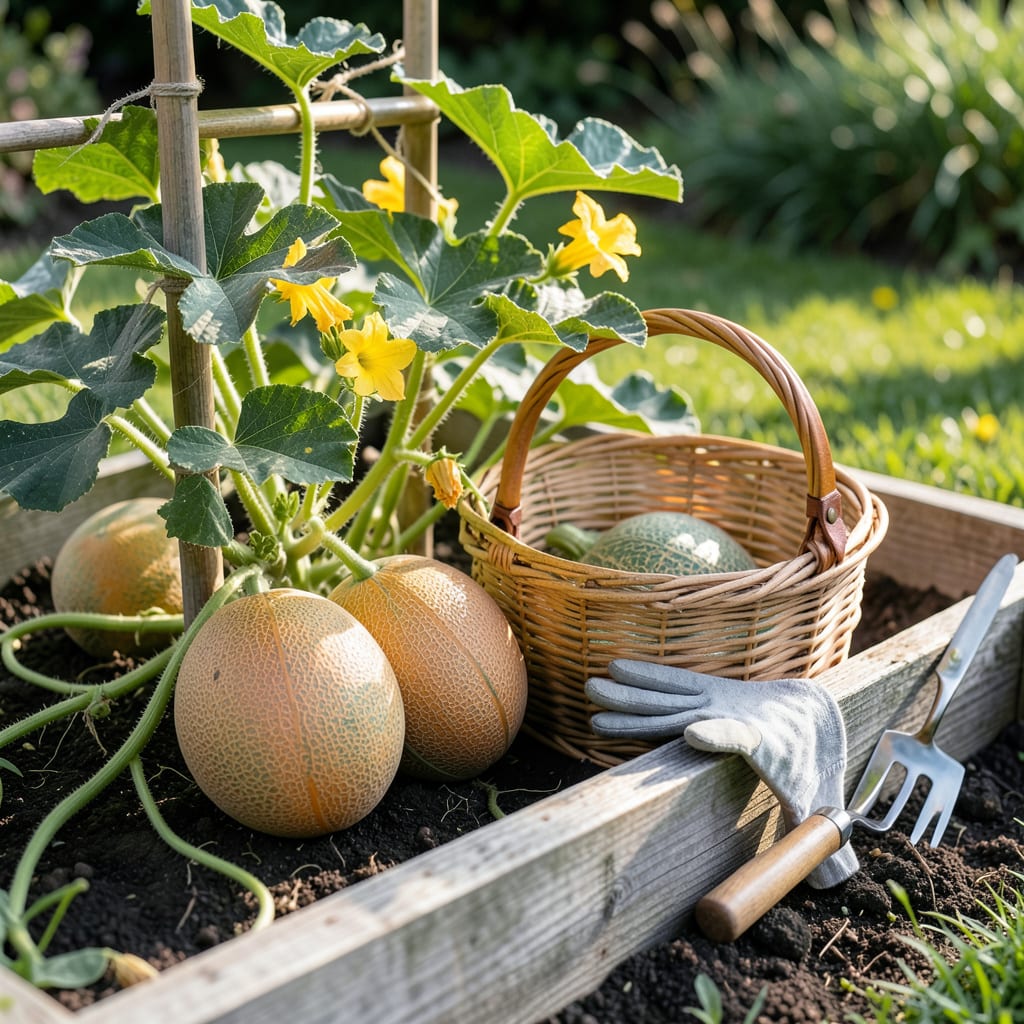
Nothing beats the disappointment of cutting into a cantaloupe that’s either rock-hard or mushy inside. That perfect moment when it’s juicy, sweet, and ready comes down to a few key signals—miss them, and you’re left guessing.
I’ve wasted too many 🍈 melons by picking too early or waiting too long. After years of trial and error, I’ve narrowed it down to five foolproof signs that take the guesswork out of harvesting. Let’s make sure your next cantaloupe is garden-fresh perfection.


After 70-85 days of watching your vines sprawl and flowers bloom, the big question arrives: Is it ready? Cantaloupes won’t ripen further once picked, so timing is critical. I’ve learned the hard way that color alone lies—you need a combo of signals.
The stem’s “slip test” is the gold standard, but we’ll cover all five foolproof signs. From the netting texture to that telltale sweet aroma, I’ll show you exactly what to look (and smell!) for. Let’s dive into each cue so you never cut into a disappointing melon again.
Pro Tip: Test signs in this order—slip test first, then confirm with 2-3 others for accuracy.
The stem slip is non-negotiable. When the cantaloupe is truly ripe, it will separate cleanly from the vine with just your thumb’s pressure. No tugging needed! If it resists, walk away and check again in 24-48 hours.
Next, flip the melon and examine the underside—the part resting on the soil. It should transition from green to a buttery yellow or cream color. This is the most reliable visual cue, since the top might stay greenish even when ripe.
Run your fingers over the netting (that web-like pattern). A ripe cantaloupe feels coarse and raised, not smooth. This texture develops as the fruit matures. If it’s still slick, it’s not ready. I like to compare it to fine sandpaper—gritty but not sharp.
Now, the scent test: Press your nose near the stem end. A ripe cantaloupe smells intensely sweet and musky, almost like honeydew with a tropical twist. No smell? It’s not ready. Overpowering? It might be overripe—harvest immediately.
Finally, give it a gentle tap. A ripe cantaloupe sounds hollow and deep, like thumping a watermelon. An unripe one emits a high-pitched, metallic ring. Practice on a few melons to train your ear—this takes a little experience!
Remember, size doesn’t equal ripeness. My biggest cantaloupe last year was a dud because I assumed its 8-inch diameter meant it was ready. Meanwhile, a smaller one passed all five tests and was bursting with flavor. Always trust the signs over size!
If you’re growing heirloom varieties like ‘Hale’s Best’ or ‘Ambrosia’, their netting might be less pronounced. Focus more on the slip test and aroma for these. Hybrid types (e.g., ‘Athena’) often have more dramatic color changes, making the underside check extra reliable.
Still unsure? Try the “thumbnail test”: Press gently on the blossom end (opposite the stem). If it yields slightly under pressure—like a ripe avocado—it’s ready. No give? Wait another day. Too soft? You’ve missed the window.
Once you’ve mastered these signs, you’ll never waste a cantaloupe again. I keep a garden journal to track which varieties ripen fastest in my climate—last year, my ‘Minnesota Midget’ melons were ready at 68 days, while ‘Sugar Cube’ took a full 80 days. 🌱
Even experienced gardeners get cantaloupe timing wrong. I’ve thrown out more overripe mush and rock-hard duds than I care to admit. The biggest blunder? Assuming size equals ripeness. A baseball-sized cantaloupe might be perfect, while a softball-sized one could still be unripe.
Another classic mistake is ignoring the stem slip. If you’re yanking or cutting melons off the vine, you’re doing it wrong. A ripe cantaloupe should detach with a thumb’s pressure—no tools required. Forcing it off too early means missed sweetness and a mealy texture.
⚠️ Harvesting After Rain?
Wait 24-48 hours post-rain to pick. Wet vines make the slip test unreliable, and excess moisture dilutes the melon’s sugar concentration. I mark my calendar after storms to avoid this pitfall.
Don’t fall for the “uniform color” myth. Many gardeners wait until the entire cantaloupe turns yellow or orange, but the underside color change (from green to cream) is the true indicator. The top can stay greenish even when ripe, especially in shadier gardens.
Overlooking the scent test is another costly error. A ripe cantaloupe should smell strongly sweet at the stem end—like a mix of honeydew and tropical fruit. No aroma means it’s not ready; a fermented smell means you’ve waited too long. I keep a notepad in my garden tote to jot down scent notes.
Timing matters too. Harvesting in the heat of the day (after 10 AM) can make melons seem softer than they are. Always check ripeness in the early morning when temperatures are cooler and fruit is firmest. This is when the slip test and thumbnail pressure test give the most accurate results.
Finally, don’t assume all varieties ripen on the same schedule. My ‘Hale’s Best’ cantaloupes are typically ready at 75 days, while ‘Minnesota Midget’ often matures in just 65 days. Track your specific variety’s timeline and adjust expectations accordingly. When in doubt, revisit the five ripeness signs from Section 1.
One season, I harvested an entire batch too early because I misread the netting texture. What I thought was “rough” was actually just dirt! Now I rinse melons gently with a hose before testing. Small details like this save entire harvests. 🌿
You’ve finally harvested your cantaloupe—now what? The first 24 hours after picking are critical for locking in that garden-fresh flavor and texture. I’ve ruined perfectly ripe melons by skipping these steps, so let me save you the heartache.
Start with a gentle rinse under cool water to remove dirt and garden debris. Avoid soaking the melon, as excess moisture can dilute its sweetness and encourage mold. Pat it dry with a clean towel before moving to the next step.
Bonus: Label stored melons with the harvest date to track freshness. 🌱
If your cantaloupe isn’t fully ripe when picked, you can ripen it indoors at room temperature. Place it in a paper bag with a banana or apple—the ethylene gas they release will speed up the process. Check daily; it should ripen in 2-4 days.
Ever notice how store-bought cantaloupes lack that burst-of-summer flavor? That’s because they’re often harvested early for shipping. Your homegrown melons will taste sweeter if you let them cure at room temp for a day before refrigerating. This extra step makes all the difference!
Avoid storing cantaloupes near ethylene-sensitive produce like leafy greens or cucumbers in the fridge. The gases released by melons can cause other veggies to spoil faster. I designate a separate drawer just for melons to keep everything fresh longer.
Finally, if you’ve got more cantaloupes than you can eat, consider freezing the flesh for smoothies. Scoop out the seeds, cube the fruit, and freeze in a single layer on a tray before transferring to bags. They’ll keep for up to 6 months—perfect for winter reminders of summer’s bounty. 🌿
Most cantaloupe varieties reach maturity in 70-85 days after planting. The exact timing depends on your climate and the specific variety. For example, ‘Minnesota Midget’ often ripens in 65-70 days, while ‘Hale’s Best’ may take up to 80 days.
If the stem doesn’t separate easily, wait 24-48 hours and check again. Avoid pulling or cutting the fruit off the vine, as this can damage both the melon and plant. Check other ripeness signs like color and aroma to confirm progress.
Yes! Place the unripe cantaloupe in a paper bag with a banana or apple at room temperature. The ethylene gas released by these fruits will help it ripen in 2-4 days. Check daily for softness and sweet aroma.
A fermented smell means the melon is overripe and should be harvested immediately. This usually happens when left on the vine too long or in very hot weather. Use overripe cantaloupes quickly in smoothies or compost them.
Not necessarily! Size varies by variety, and a large cantaloupe might still be unripe. Always rely on the five ripeness signs (slip test, netting texture, color change, aroma, and sound) rather than size alone.
