
Beautiful Plants For Your Interior
Beautiful Plants For Your Interior
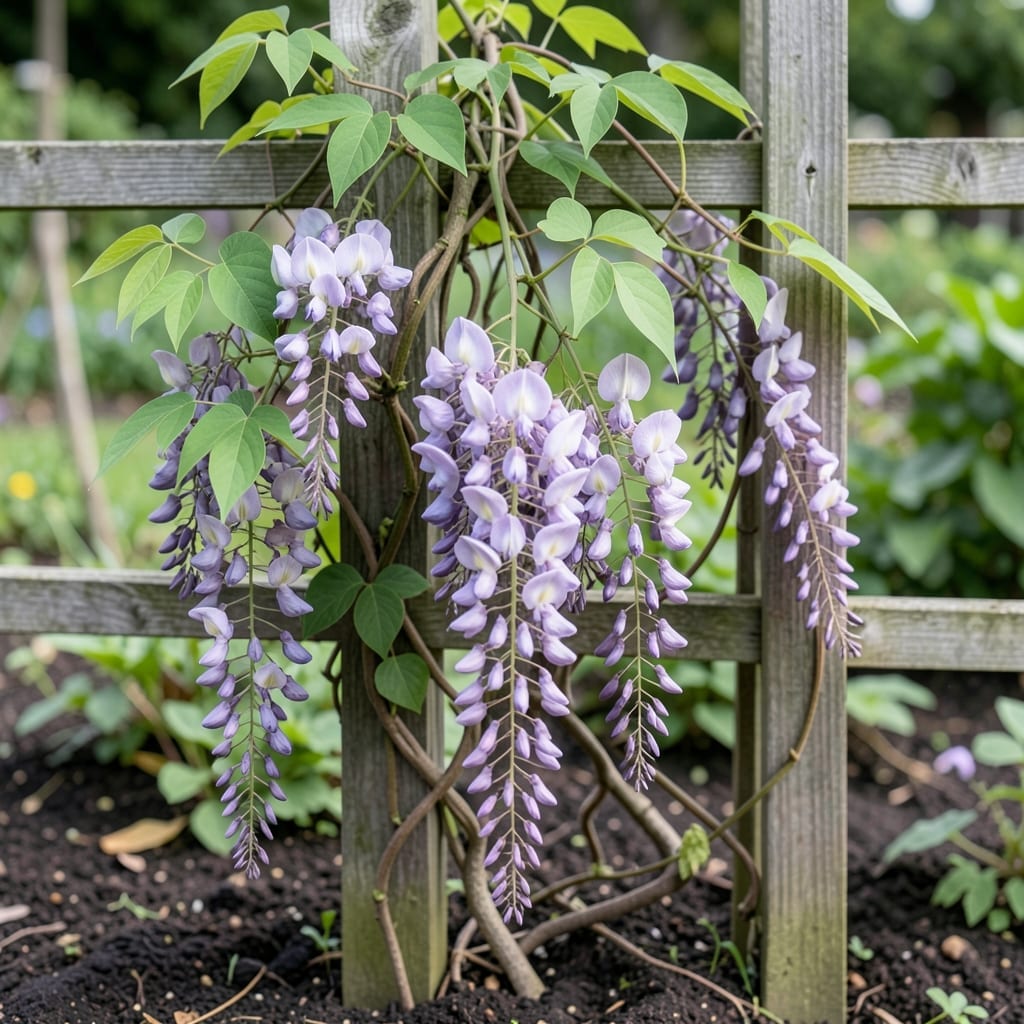
There’s nothing quite like seeing 🌸 Wisteria burst into bloom, transforming your garden into a fragrant, colorful paradise. But timing that spectacular display can feel like solving a puzzle.
I remember waiting impatiently for my first wisteria flowers, only to realize I’d missed the key window. The truth is, these vines follow nature’s clock, and knowing their rhythm makes all the difference.
Discover when you can expect those stunning blossoms to appear and how to give your wisteria the best chance to put on its most impressive show.
If you’ve ever stood under a wisteria arbor in full bloom, you know the magic of its fragrant clusters. But timing that spectacle depends on the variety and your climate. I’ve learned that Chinese wisteria often blooms first, while others lag behind.
Japanese wisteria typically follows, with American wisteria rounding out the season. Each has its rhythm, and knowing yours helps you plan your garden around its peak beauty.
| Variety | Bloom Time | Key Traits |
|---|---|---|
| Chinese Wisteria | Early to Mid-Spring | Fast grower, fragrant purple blooms |
| Japanese Wisteria | Mid to Late Spring | Longer clusters, white or violet |
| American Wisteria | Late Spring to Early Summer | More compact, drought-tolerant |
In warmer climates like USDA zones 7-9, wisteria may bloom a week or two earlier than in cooler regions. I’ve noticed my vines in zone 6 often start in late April, while friends in zone 5 wait until early May.
Microclimates matter too. A south-facing wall can speed up blooming, while shady spots might delay it. I always recommend tracking your local last frost date to predict blooms more accurately.
For Chinese wisteria, expect first flowers in April in mild areas, with peak blooms by early May. In contrast, Japanese wisteria often waits until late April to early May to strut its stuff.
American wisteria is the latecomer, usually blooming in May or even June in cooler zones. Its shorter clusters are worth the wait, though, especially for gardeners in northern climates.
Age plays a role too. Young wisteria, especially those grown from seed, may take 3-5 years to bloom. I learned this the hard way—patience is key! Grafted plants often flower sooner, sometimes in just 1-2 years.
If your wisteria isn’t following the typical timeline, don’t panic. Pruning time, sunlight exposure, and even last year’s weather can shift blooming by weeks. I’ve seen late frosts delay flowers, while mild winters can bring them early.
For the longest bloom season, plant multiple varieties. That way, you’ll enjoy sequential blooms from April through June. It’s a trick I use to keep my garden in constant color for months.
Remember, wisteria blooms on old wood, so pruning at the wrong time can cost you a season of flowers. I always prune right after blooming to avoid this mistake.
I’ve been there—staring at a leafy wisteria vine with zero flowers, wondering what went wrong. After years of trial and error, I’ve found that most blooming issues boil down to just a few common mistakes.
From pruning at the wrong time to not enough sunlight, small oversights can rob you of those gorgeous blooms. Let’s tackle these problems head-on so you can enjoy your wisteria’s full potential.
I once pruned my wisteria in early spring, thinking I was giving it a head start. Instead, I cut off all the flower buds and missed that year’s blooms entirely. Lesson learned: Timing is everything with these vines.
If your wisteria isn’t getting enough sun, consider relocating it or trimming back nearby trees. I’ve seen shade-stressed wisteria produce sparse, weak blooms—or none at all. A sunny spot makes a world of difference.
For younger plants, patience is key. I planted a seed-grown wisteria and waited five long years for its first bloom. Now, I always recommend grafted varieties to new gardeners for faster results.
Soil matters too. My wisteria struggled until I improved the drainage. A simple soil test revealed it was sitting in too much clay. After amending with compost, the next season’s blooms were more abundant than ever.
Finally, resist the urge to over-fertilize. I used to think more food meant more flowers, but too much nitrogen just gave me leafy growth. Switching to a 5-10-10 fertilizer balanced things out beautifully. ✂️