
Beautiful Plants For Your Interior
Beautiful Plants For Your Interior
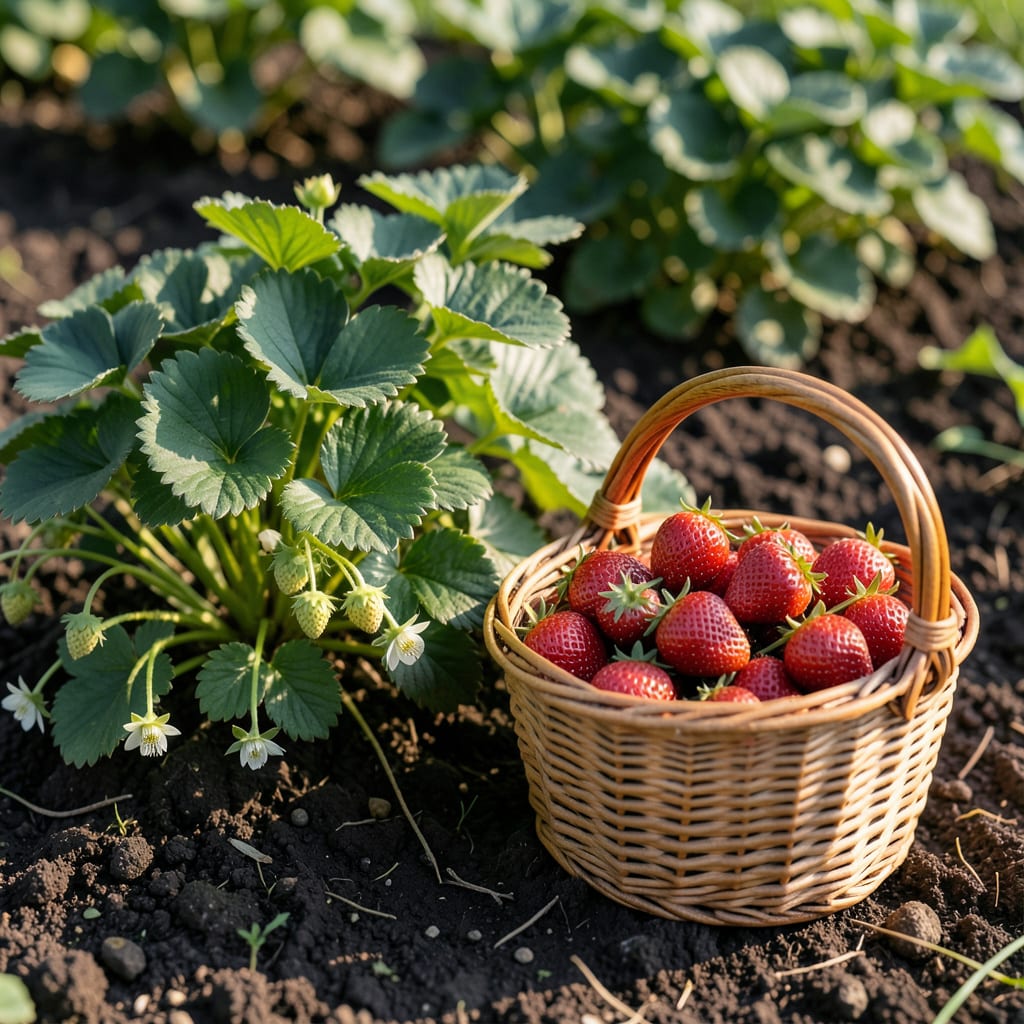
Nothing beats the sweet taste of fresh 🍓 Strawberry picked straight from the field. I remember my first picking trip – the excitement of finding those perfect red berries ready for harvest.
Timing is everything when it comes to strawberry picking. I’ll show you exactly when to head out for the best results in your area. Let’s make sure you don’t miss the peak season.


If you’re eager to start strawberry picking, timing depends on your region and climate zone. In warmer areas like California or Florida, the season kicks off as early as March, while cooler climates see berries ripen closer to late May or June. ☀️
For June-bearing strawberries, the harvest window is concentrated over 2-3 weeks, typically in early summer. However, everbearing and day-neutral varieties can produce multiple harvests from spring to fall, extending your picking pleasure. 🌱
| Region | Climate Zone | Picking Start | Peak Season |
| California | USDA 7-10 | March | April-June |
| Florida | USDA 8-10 | March | March-May |
| Pacific Northwest | USDA 4-8 | May | June-July |
| Northeast | USDA 3-6 | Late May | June-July |
| Midwest | USDA 4-6 | May | June-July |
In cooler regions like the Pacific Northwest or Northeast, frost dates push the start of strawberry picking to late May or even June. I always check local farm reports for the most accurate timing, as microclimates can shift these windows by 1-2 weeks. 🌿
For home gardeners, starting strawberry plants in raised beds or containers can help control soil temperature and moisture, potentially speeding up ripening. I’ve found that black plastic mulch can warm the soil faster in spring. ✂️
Everbearing strawberries like ‘Albion’ or ‘Seascape’ are fantastic for extended picking seasons. These varieties produce multiple flushes of fruit, often starting in late spring and continuing into fall, as long as temperatures stay mild. 💧
If you’re in a mild winter climates like Texas or Arizona, you might even get a winter harvest from day-neutral strawberries. I’ve seen ‘Tristar’ produce berries year-round in protected environments. ☀️
For the best results, I recommend visiting local U-pick farms early in the season. Many farms update their social media or websites with daily picking reports, so you’ll know exactly when the first berries are ready. 🌷
Remember, strawberry plants need consistent moisture during the fruiting period. I water my plants deeply 1-2 times per week, depending on rainfall, to ensure plump, juicy berries. A drip irrigation system works wonders here. 🪴
Finally, early morning is the best time to pick strawberries. The berries are co
The start of strawberry picking isn’t just about location—it’s heavily influenced by weather patterns and variety type. A warm spring can accelerate ripening by 1-2 weeks, while late frosts may delay the season. ☀️
June-bearing strawberries typically produce one large harvest in early summer, while everbearing types like ‘Ozark Beauty’ can yield 2-3 harvests per year. Day-neutral varieties such as ‘Tribute’ can produce continuously if temperatures stay between 40-90°F. 🌱
🌱 Key Harvest Factors
Cold snaps can damage strawberry blossoms, potentially reducing your harvest. I always cover my plants with frost cloth when temperatures drop below 32°F. This simple step can save your entire crop. 🌿
Day-neutral strawberries are my go-to for extended harvests. Varieties like ‘Albion’ and ‘Seascape’ produce fruits throughout the season as long as conditions are right. They’re perfect for container gardening on patios. ✂️
In drought conditions, strawberry plants may produce smaller berries or reduced yields. I combat this with consistent watering and mulching to retain soil moisture. A 2-3 inch layer of straw works wonders. 💧
Remember, humidity levels affect disease pressure. In high humidity areas, I space my strawberry plants 18 inches apart for better air circulation. This helps prevent fungal diseases like gray mold. 🪴
To get the juiciest strawberries, I always head to the field early in the morning when berries are cool and firm. This is when they’re at their sweetest and easiest to pick without bruising. ☀️
I never forget to bring a small container with a wide opening for easy berry collection. A basket or shallow tray works perfectly to prevent crushing the delicate fruits at the bottom. 🌿
🌱 Pro Picking Tip
Always gently twist the berry while holding the stem to avoid damaging the plant. Pick only fully red strawberries with a slight give when touched.
I look for berries that are fully red from tip to stem with a sweet aroma. If the shoulders are white or pale green, they’re not ready yet. The calyx (green leafy top) should look fresh too. ✂️
For the best selection, I visit U-pick farms mid-week when they’re less crowded. Weekends tend to have picked-over fields, making it harder to find those perfect berries. 💧
I always wear comfortable clothes and closed-toe shoes, as strawberry fields can be muddy or dewy in the morning. A sun hat and sunscreen are musts for those long picking sessions under the sun. 🪴
In California and Florida, fields often open as early as March. Warmer zones see the first berries 2-3 weeks sooner than cooler areas.
Spring temperatures and variety type shift harvests by weeks. Late frosts delay ripening, while day-neutral plants extend production into fall.
Look for fully red color, a sweet aroma, and a slight give when touched. The green calyx should appear fresh, not wilted.
Check farm reports first. Blossoms damaged below 32°F may reduce yields. Some farms cover plants to protect the crop.
