
Beautiful Plants For Your Interior
Beautiful Plants For Your Interior
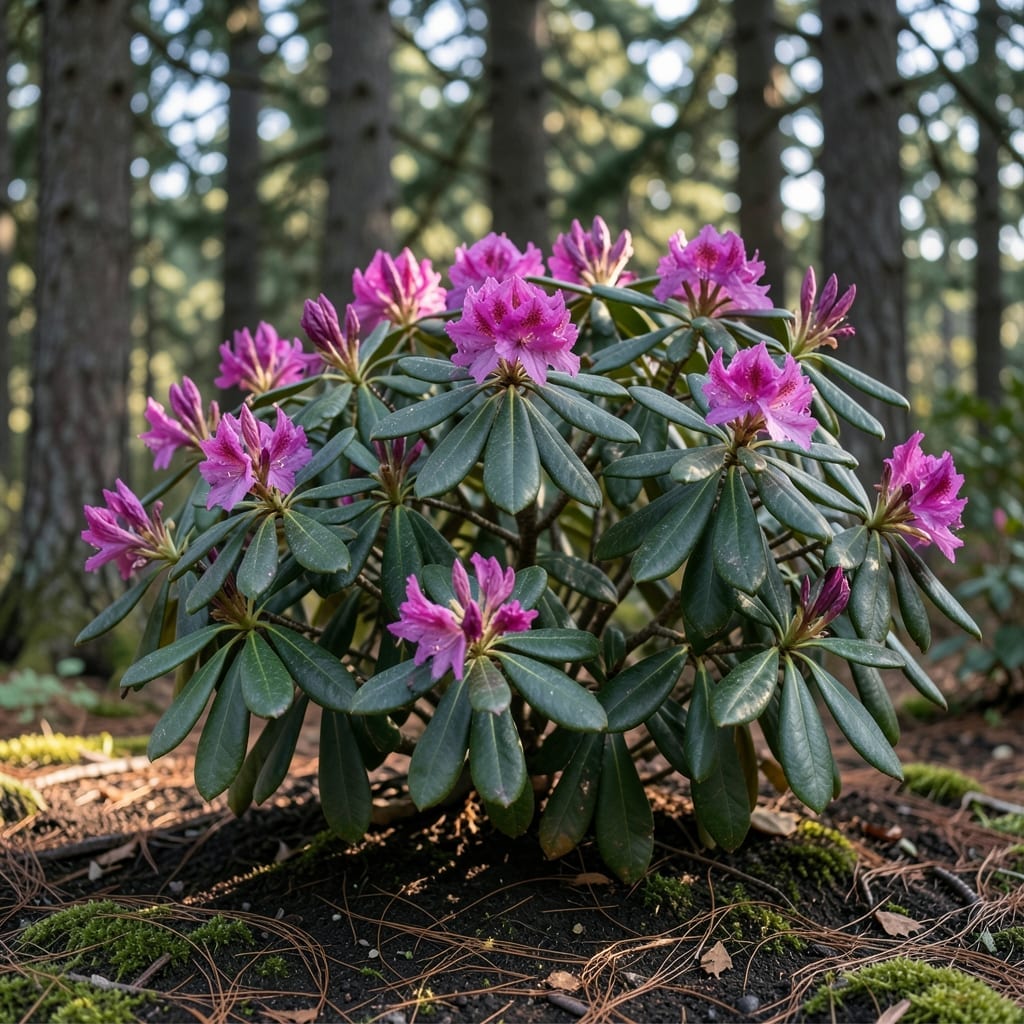
Nothing beats the sight of 🌸 Rhododendron in full bloom, but timing their spectacular display can feel like a guessing game. Each variety has its own schedule, and climate plays a huge role in when those vibrant colors appear.
I’ve learned that understanding these patterns is the key to planning a garden that bursts with color exactly when you want it. Whether you’re in zone 6 or elsewhere, this guide will help you predict your Rhododendron’s blooming season with confidence.
Discover how to align your care routine with nature’s timeline and enjoy those stunning flowers right on schedule. Let’s make your garden the talk of the neighborhood.
Timing your rhododendron blooms starts with knowing your variety. Early-season types like ‘PJM’ burst into color in late winter, while most large-leaf varieties peak in mid-spring. Climate zone matters too—cooler areas see delayed blooms by weeks.
In USDA zones 4-6, expect flowers from March to May. Warmer zones like 7-9 often see blooms in February or even late January. Deciduous azaleas typically flower a bit later than evergreens.
| Variety | Bloom Time | USDA Zones |
|---|---|---|
| PJM Rhododendron | Late Winter | 4-8 |
| Large-Leaf Rhododendron | Mid-Spring | 5-8 |
| Deciduous Azalea | Late Spring | 4-9 |
| Evergreen Azalea | Early Spring | 6-9 |
For early bloomers, PJM rhododendrons are your best bet. These tough plants handle cold climates and often flower when snow is still on the ground. Their purple-pink blooms are a welcome sight in late February to early March.
Large-leaf rhododendrons like ‘Cunningham’s White’ or ‘Roseum Elegans’ typically bloom in April to May. These varieties thrive in partial shade and need acidic soil to produce their stunning flower clusters.
If you’re in a warmer climate, you might enjoy two blooming cycles. Some reblooming azaleas can flower in spring and again in late summer, giving your garden extra color when it’s least expected.
Deciduous azaleas are the latecomers, often blooming in May to June. These varieties lose their leaves in winter but reward you with vibrant spring colors that can light up a shady garden corner.
Climate plays a huge role in bloom time. In cooler zones, blooms may be delayed by 2-3 weeks. In milder areas, you might see flowers earlier than expected, especially after a warm winter.
To get the most from your rhododendrons, plant in acidic soil and ensure they get morning sun with afternoon shade. This setup helps maximize bloom production and keeps your plants healthy year-round.
Remember, consistent watering and proper pruning after flowering can encourage more blooms next season. Avoid late-season pruning, as this can remove next year’s flower buds.
With the right variety and care, your rhododendrons can provide months of color, from the first signs of spring well into early summer.
Want to control your rhododendron’s bloom schedule? With a few simple adjustments, I’ve found you can extend or even delay flowering to better suit your garden’s timeline. It’s all about working with the plant’s natural rhythms.
Timing is everything when it comes to pruning and fertilizing. These two factors alone can shift your blooming window by weeks if done strategically.
For earlier blooms, I recommend full morning sun and consistent moisture. These conditions encourage the plant to develop flower buds sooner. Just be careful not to overwater, as soggy soil can lead to root rot.
To delay blooming, try planting in shadier spots or using shade cloth during peak sun hours. Cooler temperatures slow down the plant’s metabolism, which can push back the flowering time by 1-2 weeks.
Fertilizer choice matters more than you think. A balanced 10-10-10 works well, but switch to a low-nitrogen formula as blooming approaches. Too much nitrogen promotes leaf growth at the expense of flowers.
Remember, late frosts can damage developing buds. In colder zones, I always cover my rhododendrons with frost cloth when temperatures drop below freezing. This simple step can save your blooms for the season.
With these techniques, I’ve managed to stagger blooming across different rhododendron varieties, creating a longer color display in my garden. It takes some experimentation, but the results are worth it.