
Beautiful Plants For Your Interior
Beautiful Plants For Your Interior
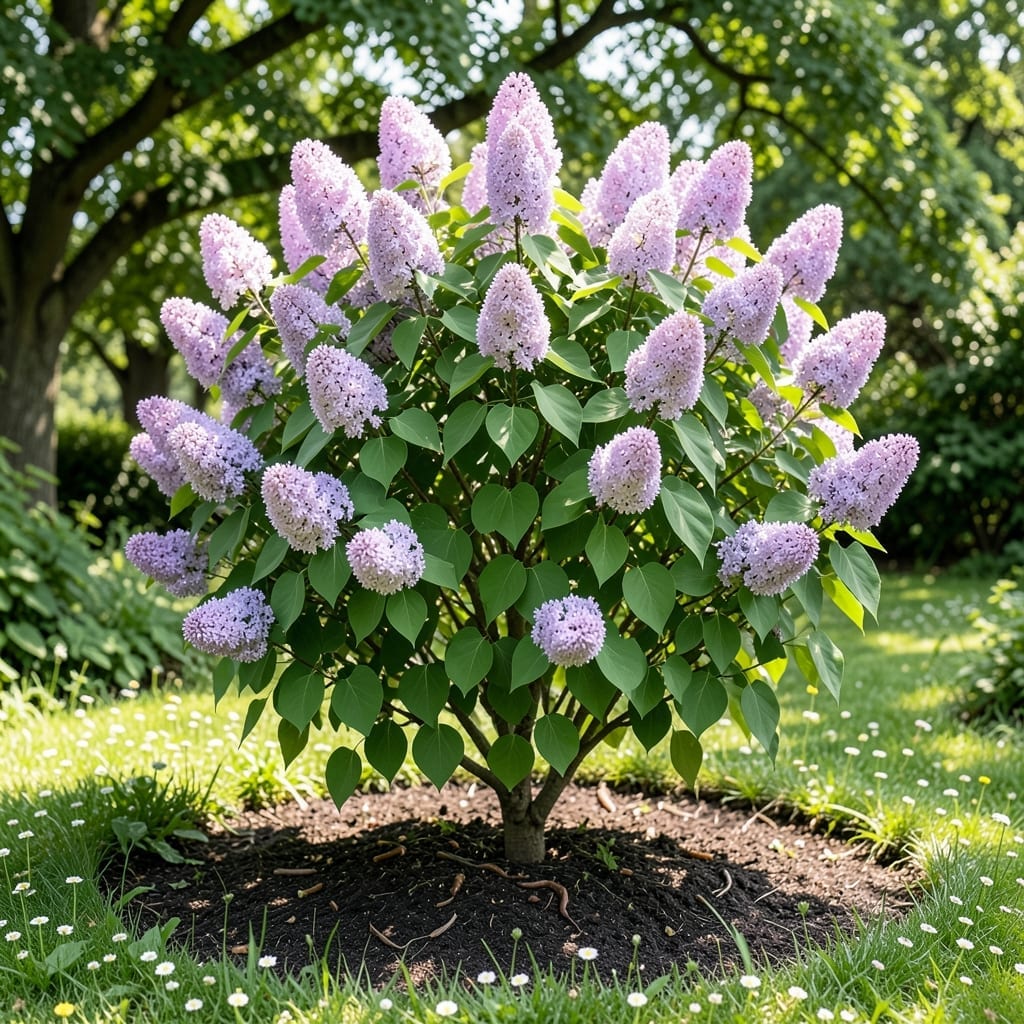
Nothing signals spring’s arrival like the fragrant blooms of 🌸 Lilac. As a gardener, I know the anticipation of watching those first purple buds appear.
Timing varies by climate and variety, but most Lilacs burst into color when warm weather arrives. In zones 3-7, you can expect this spectacle from April to June.
Let me share what affects their flowering and how to ensure your Lilacs thrive each season. The right care makes all the difference.
As a gardener, I’ve learned that lilac blooming seasons vary by variety and climate zone. Most lilacs flower in spring, but the exact timing depends on your location and the type you’ve planted.
The classic Syringa vulgaris, or common lilac, typically blooms in mid to late spring. In warmer zones like USDA 7, you might see flowers as early as April, while cooler areas in zone 3 may not bloom until June.
| Variety | Blooming Time | USDA Zones |
|---|---|---|
| Syringa vulgaris | Mid to late spring | 3-7 |
| Dwarf Lilac | Early to mid spring | 3-7 |
| Reblooming Lilac | Spring and summer | 4-8 |
In my experience, dwarf lilacs tend to bloom earlier than standard varieties. These compact shrubs often produce flowers in early spring, making them a great choice for gardeners eager to see color after winter.
For those in milder climates, reblooming lilacs are a game-changer. These varieties, like the popular Bloomerang, can produce a second flush of blooms in summer, extending your lilac season by weeks.
I’ve noticed that early-season bloomers often thrive in cooler zones. Varieties like Syringa meyeri can start flowering as soon as April in zone 4, while late-season types may wait until May or June to open.
Climate plays a huge role in blooming time. In warmer regions, lilacs may flower 2-3 weeks earlier than in colder areas. A lilac in zone 7 might bloom in April, while the same plant in zone 3 could wait until late May.
If you’re in a transition zone, like zone 5, you’ll often see lilacs bloom in mid-spring. This is when most gardeners in the Midwest and Northeast enjoy their first fragrant blooms of the year.
For the longest blooming season, I recommend planting a mix of early, mid, and late-season varieties. This way, you can enjoy lilac flowers from April through June, depending on your climate.
Remember, microclimates can also affect blooming. A lilac planted in a sheltered, sunny spot may flower earlier than one in a shadier, cooler location. Keep this in mind when planning your garden layout.
🌸
I’ve found that with the right care, you can influence your lilac’s blooming schedule. Pruning at the correct time is key—do it right after flowers fade to avoid cutting off next year’s buds.
Deadheading spent blooms encourages the plant to redirect energy toward new growth, which can lead to a longer blooming season for some varieties.
In my garden, I’ve had success staggering blooms by planting both early and late-season varieties. This creates a continuous display from April through June.
Fertilization also plays a role. I apply a balanced fertilizer in early spring, then a light feeding after the first bloom cycle to support potential second flushes.
Watering consistently during bud formation helps too. I give my lilacs a deep soak weekly, especially in dry spells, to ensure healthy, abundant blooms.
For a delayed bloom, try planting in a slightly shadier spot. This can slow development by 1-2 weeks, which is useful for extending the overall season.
☀️