
Beautiful Plants For Your Interior
Beautiful Plants For Your Interior
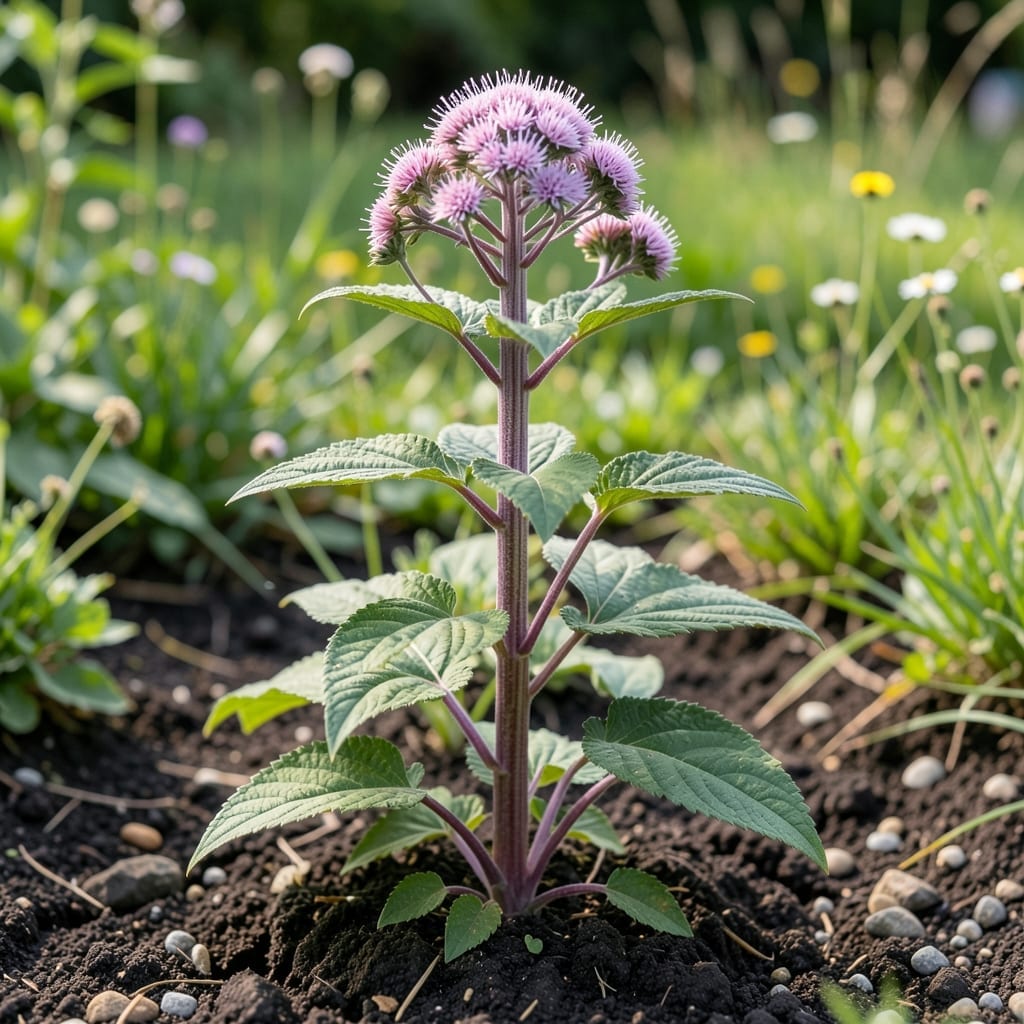
There’s something magical about watching Joe Pye Weed transform a garden with its vibrant purple-pink blooms. As a gardener, timing is everything when you want to create that perfect late-summer display.
The 🌼 Joe Pye Weed doesn’t follow the same schedule as your spring flowers. Its blooming period arrives just when many other plants are fading, making it a game-changer for continuous color.
From my experience, understanding its natural rhythm helps you plan your garden for maximum impact. The timing varies slightly depending on where you live, but there’s a predictable pattern.
Let me share exactly what to expect and how to make the most of this stunning perennial’s flowering season in zones 4-9.
I love how Joe Pye weed transforms gardens with its vibrant pink-purple blooms just when summer starts winding down. It’s a late-season star that gardeners adore for its ability to attract butterflies and pollinators when little else is flowering. 🌼
In most regions, you can expect Joe Pye weed to start blooming in mid to late summer, with the peak display usually arriving in July through September. The exact timing depends on your USDA zone and local climate conditions.
| USDA Zone | Bloom Start | Peak Bloom | Bloom End |
|---|---|---|---|
| 4-5 | Late July | August | Early September |
| 6-7 | Mid July | Late July – August | Mid September |
| 8-9 | Early July | July – August | Late September |
In cooler zones 4-5, the blooming may start a bit later, often in late July, and wrap up by early September. This is because the plant needs warmth to trigger its flowering cycle, and these areas experience a shorter growing season.
For zones 6-7, the blooms typically appear in mid-July and can last through mid-September. The warmer temperatures in these regions allow for a longer blooming window, giving you more time to enjoy the display.
If you’re in zones 8-9, you’re in luck. Joe Pye weed often starts blooming as early as early July and can continue flowering into late September. The extended warmth in these zones supports a prolonged bloom period. ☀️
Climate plays a huge role too. In years with a hotter spring, you might see blooms a week or two earlier. Conversely, a cool, wet spring could delay flowering by a similar amount. Consistent moisture is key to keeping the blooms vibrant.
I’ve noticed that Joe Pye weed planted in full sun tends to bloom earlier than those in partial shade. Sunlight fuels the plant’s growth, so if you want earlier flowers, give it a sunny spot with at least 6 hours of direct light daily. 🌿
Soil conditions also matter. Well-draining soil with plenty of organic matter helps the plant establish quickly, which can lead to earlier and more abundant blooms. If your soil is heavy or clay-like, amending it with compost can make a big difference.
Finally, keep an eye on your local microclimate. Urban areas, which tend to be warmer, may see Joe Pye weed bloom earlier than rural or high-elevation spots. Observing your garden’s unique conditions is the best way to predict its blooming schedule.
I love how Joe Pye weed transforms gardens with its purple-pink blooms, but timing is everything. With a few tricks, you can extend its flowering window or even coax it to bloom earlier in the season.
For earlier blooms, I start by pinching back stems in early summer. This encourages bushier growth and can delay flowering slightly, but it also creates a fuller plant with more bloom potential later.
If you want to delay blooming, try planting in partial shade. This slows growth slightly, pushing back the flowering timeline by a week or two. Just ensure it still gets at least 4-6 hours of sunlight daily.
Deadheading is my go-to for longer blooms. By removing faded flower heads, I signal the plant to produce more, keeping the color show going strong well into fall.
For consistent moisture, I mulch around the base with organic material. This keeps roots cool and hydrated, which is key for peak blooming performance during hot summers.
Finally, companion planting with other late bloomers like black-eyed Susans or goldenrod creates a staggered display that keeps your garden vibrant for weeks. 🌼