
Beautiful Plants For Your Interior
Beautiful Plants For Your Interior
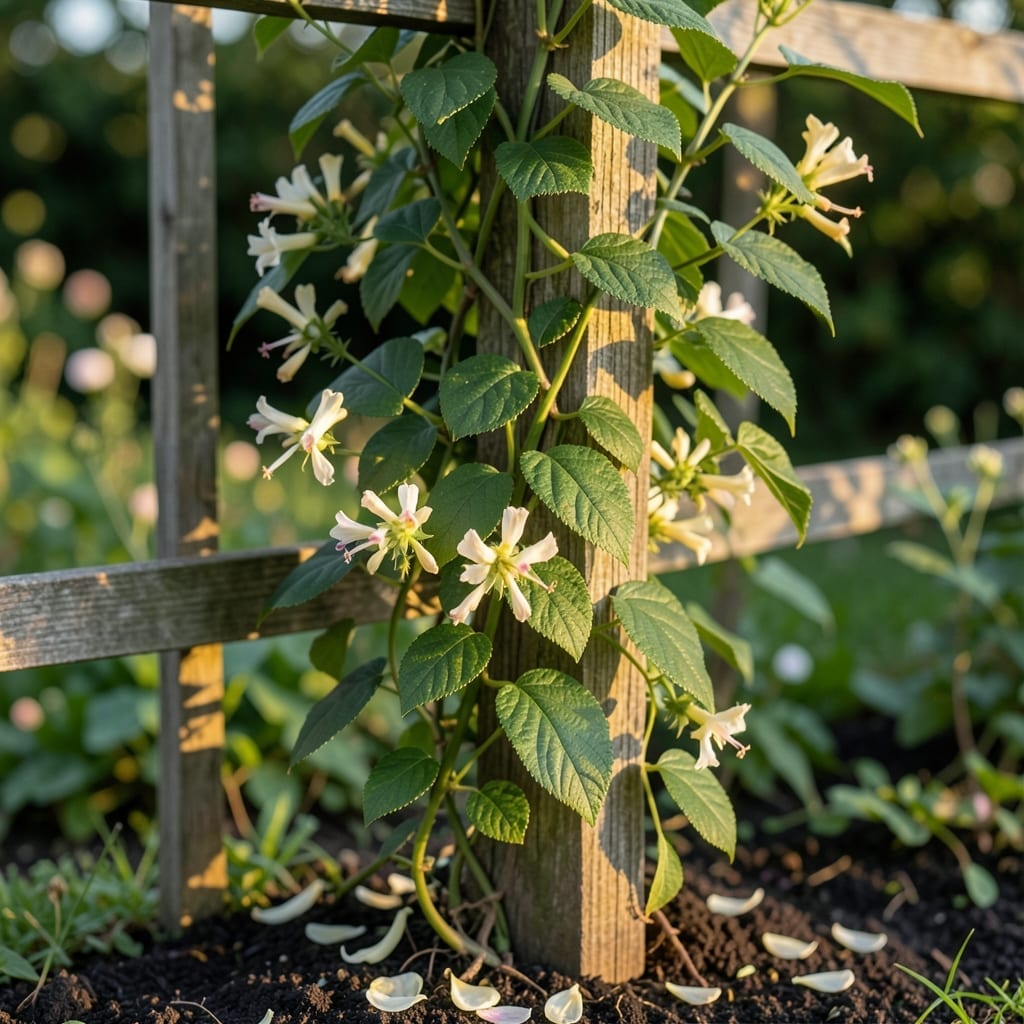
There’s nothing quite like the sight and scent of Honeysuckle 🌸 in full bloom. But if you’re not sure when to expect those beautiful flowers, you might miss the show entirely.
I’ve learned that timing varies by climate and variety, especially across zones 4-9. The good news? With a little planning, you can enjoy its vibrant display year after year.
Discover the most important factors that determine when your Honeysuckle will burst into color and how to make it happen in your garden.
As a gardener, I’ve found that honeysuckle blooming times can vary significantly. Most varieties, like the popular Japanese honeysuckle, burst into bloom in late spring to early summer, typically May through July. 🌸
However, Trumpet honeysuckle often starts a bit earlier, with flowers appearing as soon as April in warmer zones. Climate plays a huge role—gardeners in USDA zones 7-9 may see blooms 2-4 weeks sooner than those in cooler areas. 🌿
In my experience, Coral honeysuckle is a standout for its extended bloom period, often flowering from May through September. This makes it a fantastic choice for gardeners wanting long-lasting color and fragrance. ✂️
For those in cooler climates, like zones 4-5, blooming might start in June and last until August. I always remind fellow gardeners that microclimates can shift these timelines slightly, so observe your local conditions. ☀️
If you’re growing bush honeysuckle, expect blooms a bit later, usually from June to August. This type is perfect for gardeners who want a compact plant with a dense floral display. 🌱
I’ve noticed that early spring pruning can delay blooming for some varieties. To avoid cutting off potential flowers, I prune my honeysuckle right after its first bloom cycle ends. This encourages new growth and more flowers next season. 🌿
Another tip: well-draining soil and full sun exposure can help your honeysuckle reach its full blooming potential. In shady spots, blooms may be less abundant or appear later in the season. 🌻
For gardeners in zone 9, some honeysuckle varieties may even produce a second flush of blooms in the fall if conditions are right. I’ve seen this happen with Japanese honeysuckle in particularly mild years. 🌷
Remember, young plants may take 2-3 years to establish before producing their first blooms. Patience is key, but once they start, you’ll be rewarded with years of spectacular floral displays. 🌸
To maximize your honeysuckle blooms, I focus on proper pruning first. I prune my plants right after flowering to encourage new growth and more blooms next season. This timing prevents cutting off next year’s flower buds. 🌿
I’ve found that balanced fertilization works wonders. I use a 10-10-10 fertilizer every 4-6 weeks during the growing season. This gives my honeysuckle the nutrients it needs for vibrant, long-lasting blooms. ☀️
I make sure my honeysuckle gets 6+ hours of sunlight daily. In my garden, the south-facing wall gives my vines the perfect exposure. Without enough sun, blooms can be sparse or delayed. 🌱
Watering is key too. I give my honeysuckle a deep soak once a week, more often during hot spells. Consistent moisture helps maintain continuous blooming, especially for young plants. 💧
I also mulch around the base with organic material to retain moisture and regulate soil temperature. This simple step can extend the blooming season by keeping roots happy. ✂️
For a real boost, I deadhead spent blooms regularly. This redirects the plant’s energy from seed production to new flower growth. It’s a small task with big rewards for longer-lasting color. 🌸