
Beautiful Plants For Your Interior
Beautiful Plants For Your Interior
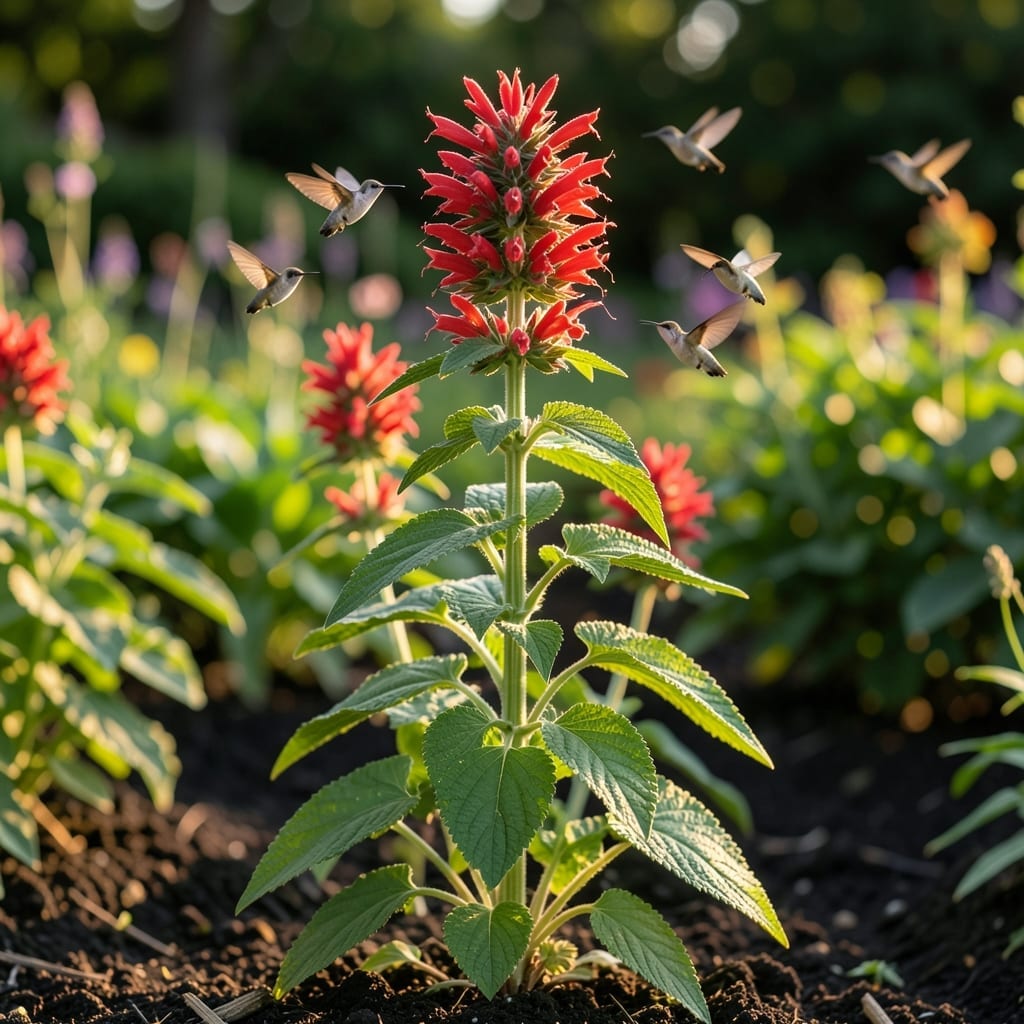
There’s something magical about watching Bee Balm 🌸 transform your garden with its vibrant colors. As a gardener, timing is everything when you want to enjoy those stunning blooms to the fullest.
I’ve learned that understanding the blooming season helps you plan and prepare better. It’s not just about planting; it’s about knowing when your efforts will pay off with a burst of color.
Discover the best times to expect those beautiful flowers and how to make the most of their short but spectacular season. Let’s get started.
If you’re wondering when bee balm blooms, you’re not alone. This vibrant perennial typically starts its colorful display in mid to late summer, lighting up gardens just when you need it most.
Most Monarda didyma varieties begin blooming in July, while Monarda fistulosa often starts a bit earlier in June. The exact timing depends on your climate and care.
| Variety | Bloom Start | Bloom End | Duration |
|---|---|---|---|
| Monarda didyma | July | September | 6-8 weeks |
| Monarda fistulosa | June | August | 6-8 weeks |
| Dwarf varieties | July | August | 4-6 weeks |
In warmer climates like USDA zones 7-9, you might see blooms as early as late June. Cooler regions in zones 4-6 usually experience the first flowers in mid-July.
The blooming period typically lasts 6-8 weeks, with each individual flower lasting about 2-3 weeks. Deadheading can encourage a second, smaller wave of blooms.
For the longest display, plant in full sun and ensure well-draining soil. These conditions help maximize both the intensity and duration of the blooming period.
I’ve noticed that consistent watering during dry spells can also extend the show. Just be careful not to overwater, as bee balm prefers moderate moisture.
If your plants aren’t blooming on schedule, check your light conditions. Bee balm needs at least 6-8 hours of sunlight daily to produce its signature flowers.
In my experience, dividing clumps every 2-3 years keeps plants vigorous and blooming reliably. This simple maintenance task prevents overcrowding, which can reduce flower production.
Remember that first-year plants may bloom later or less profusely. Give them time to establish strong root systems before expecting a full display.
With proper care, your bee balm will reward you with vibrant colors and pollinator activity throughout the heart of summer ☀️
If you want to maximize bee balm blooms, I’ve found that deadheading spent flowers is the most effective trick. This simple task encourages the plant to produce new blossoms rather than seeds.
I always remove faded blooms as soon as they start to wilt. This keeps your garden looking tidy and can trigger a second flush of flowers in late summer.
Another key is proper watering. Bee balm thrives with consistent moisture, especially during dry spells. I water mine deeply once or twice a week, allowing the soil to dry slightly between waterings.
Fertilizing can also boost blooming. I use a balanced 10-10-10 fertilizer every 4-6 weeks during the growing season. This provides the nutrients needed for vibrant, long-lasting flowers.
Don’t overlook pruning in early summer. Lightly trimming back the stems by about one-third in late spring can delay blooming slightly but results in bushier plants with more flowers.
Finally, ensure your bee balm gets plenty of sunlight. While it tolerates partial shade, full sun produces the most abundant and longest-lasting blooms. With these steps, you’ll enjoy a spectacular display all season long 🌸