
Beautiful Plants For Your Interior
Beautiful Plants For Your Interior
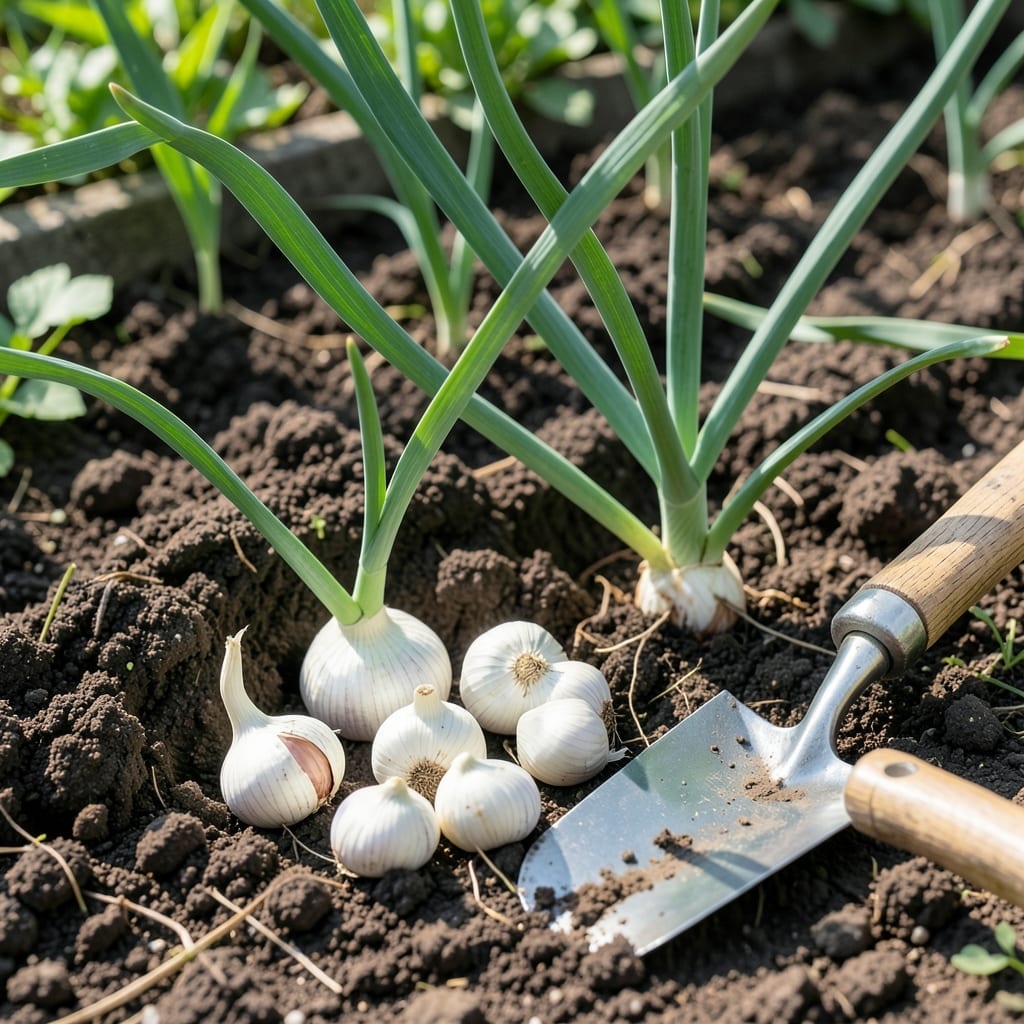
Timing is everything when planting 🧄 Garlic in Georgia—plant too early or too late, and you risk a weak harvest. I’ve learned the hard way that Georgia’s unique climate demands precision.
For zones 7b-8a, the sweet spot is fall planting, when the soil is still warm but cooling down. This gives cloves time to develop strong roots before winter hits.
Get it right, and you’ll be rewarded with plump, flavorful bulbs come May-June. The difference between a mediocre crop and a bumper harvest often comes down to just a few weeks.
Let me walk you through the exact timing and techniques that work best in Georgia’s conditions. You’ll discover why fall is the only season that consistently delivers.
Georgia’s USDA zones 7a-8b offer a unique window for garlic planting. The ideal months are October through November, when soil stays warm but air temperatures begin to drop.
This timing allows cloves to root before winter dormancy. I’ve found that planting 4-6 weeks before the first frost gives the best root development without early sprouting.
| USDA Zone | Best Planting Months | Harvest Window |
|---|---|---|
| 7a | Mid-October to Early November | Late May to Early June |
| 7b | Early October to Mid-November | Early to Mid-June |
| 8a | Late October to Late November | Mid to Late June |
| 8b | Late October to Early December | Late June to Early July |
Fall planting is non-negotiable in Georgia. The cool season allows garlic to develop strong root systems before winter, leading to bigger bulbs in spring.
In zone 7a, aim for mid-October to avoid early sprouting. In warmer zone 8b, you can push planting to early December if winters are mild.
Spring planting is possible but risky. The shorter growing season often results in smaller bulbs. If you must plant in spring, do it as early as February.
Georgia’s humid subtropical climate means well-draining soil is critical. I always amend clay-heavy beds with compost to prevent waterlogging during winter rains.
Hardneck varieties like German White or Chesnok Red thrive in Georgia. They handle cold snaps better and produce larger cloves than softnecks.
For consistent results, plant individual cloves 2 inches deep and 6 inches apart. This spacing prevents overcrowding and allows for proper bulb formation.
After planting, apply a 3-inch layer of mulch to insulate the soil. I use straw or shredded leaves to protect cloves from temperature swings.
Remember, timing is everything with garlic. Stick to the fall window, and you’ll be rewarded with a bountiful harvest come summer 🌱
Planting garlic in Georgia requires careful soil prep, especially with our clay-heavy soils. I always start by loosening the earth to 12 inches deep and mixing in compost for better drainage.
This improves root development and prevents waterlogging, which garlic absolutely hates. A little effort upfront makes a huge difference in your harvest size and flavor.
For Georgia’s humid climate, I recommend hardneck varieties like German White or Chesnok Red. They handle our winters better and produce larger cloves than softneck types.
The mulch layer is non-negotiable here. It keeps soil temperature stable and prevents heaving during freeze-thaw cycles. I use straw because it breaks down slowly and doesn’t compact.
After planting, resist the urge to overwater. Garlic needs moisture but despises soggy roots. A drip irrigation system works wonders in our clay soil, delivering water directly to the roots.
By mid-November, your garlic should be snug in the ground with roots starting to form. Come spring, you’ll see green shoots emerging as the soil warms.
This method has given me consistent harvests of large, flavorful bulbs year after year in my Georgia garden 🌱