
Beautiful Plants For Your Interior
Beautiful Plants For Your Interior
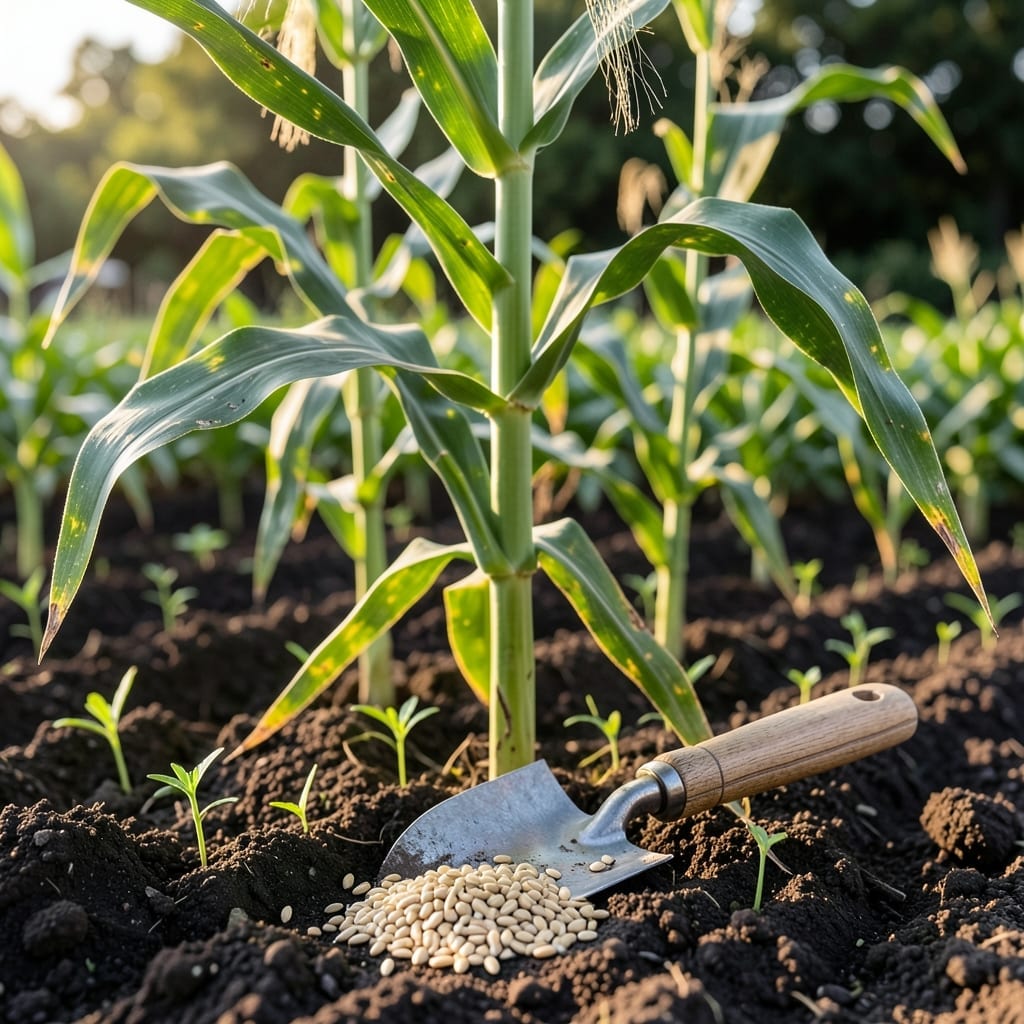
Timing is everything when planting corn in Pennsylvania—plant too early and frost may ruin your crop, too late and you’ll miss the optimal window.
I’ve seen gardeners struggle with this exact dilemma, and the solution lies in understanding our state’s unique climate. With zones 6a-7b and a last frost date around April 15, the planting window is narrower than you might think.
Whether you’re growing sweet corn or field varieties, getting the timing right ensures strong germination and a bountiful harvest. The key is waiting for soil temps to hit that magic number.
Let me walk you through the most important factors for Pennsylvania growers, so you can plant with confidence and enjoy fresh ears by summer.
In Pennsylvania, the ideal time to plant corn depends on your region. The state spans USDA zones 6a to 7b, so planting windows vary. Generally, you’ll want to wait until soil temperatures reach at least 60°F for optimal germination.
Southeastern PA, with its milder climate, can often start planting in late April. Meanwhile, the northwestern regions, which are cooler, should aim for mid-to-late May. Always check your local last frost date to avoid cold damage.
| Region | Planting Window | Soil Temp Requirement |
|---|---|---|
| Southeastern PA | Late April – Early May | 60°F minimum |
| Central PA | Early to Mid-May | 60°F minimum |
| Northwestern PA | Mid-to-Late May | 60°F minimum |
For sweet corn, which is a popular choice for home gardens, the ideal planting window is typically May. This variety thrives in warm soil and needs full sun for at least 6-8 hours daily.
Field corn and popcorn can also be planted during this time, but they may require slightly different care. Field corn, for example, is often planted a bit earlier in commercial settings due to its hardiness.
If you’re unsure about your soil temperature, I recommend using a soil thermometer. It’s an inexpensive tool that can save you from planting too early. Remember, cold soil can delay germination and stunt growth.
Another key factor is the frost-free date. In most of PA, the last frost occurs around April 15 in the southeast and as late as May 15 in the northwest. Planting after these dates reduces the risk of frost damage.
For a longer harvest season, consider staggered planting. Sow a new batch of seeds every 2-3 weeks until early June. This way, you’ll have fresh corn throughout the summer and into early fall.
Don’t forget to prepare your soil before planting. Well-draining soil with plenty of organic matter will give your corn the best start. I like to mix in compost or aged manure a few weeks before planting.
Finally, keep an eye on the weather forecast. If a late frost is predicted after you’ve planted, use row covers to protect your young plants. A little extra care early on can make a big difference in your harvest.
By following these regional guidelines and tips, you’ll be well on your way to a successful corn crop in Pennsylvania 🌱
In Pennsylvania, I’ve found that timing your corn planting with the seasons makes all the difference. March to April is for prep—test your soil and choose seeds suited for PA’s USDA zones 6a-7b. This sets the stage for success 🌱
When soil temps hit 60°F, usually in late April or early May, it’s go time. I always check with a soil thermometer to avoid planting in cold ground, which can stall germination.
I recommend staggered planting every 2 weeks to extend your harvest. This works especially well for sweet corn, giving you fresh ears over several weeks instead of all at once.
For field corn or popcorn, aim for a single planting in mid-May when the soil is consistently warm. These varieties need a longer growing season, so timing is critical to avoid early fall frosts.
Post-planting care is just as important. Keep the soil evenly moist, especially during tasseling and ear development. I use drip irrigation to deliver water directly to the roots.
Finally, watch for pests like corn earworms and use organic controls if needed. A little planning and attention to PA’s climate will reward you with a bountiful harvest come summer 🌽