
Beautiful Plants For Your Interior
Beautiful Plants For Your Interior
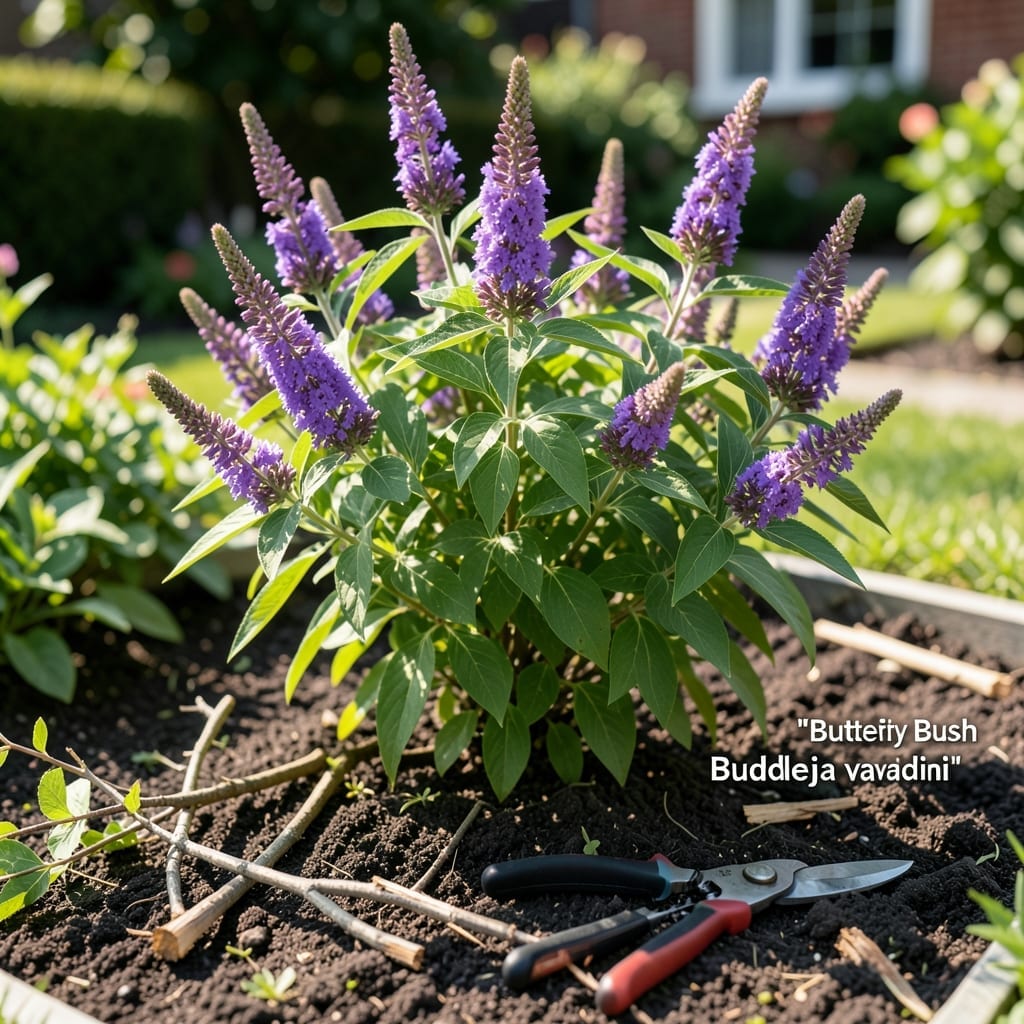
Timing your pruning right can make or break your Butterfly Bush 🦋. These vibrant shrubs thrive when cut back at the optimal moment, but do it wrong and you might sacrifice those stunning summer blooms.
I’ve seen gardeners struggle with weak growth simply because they pruned at the wrong time. The good news? There’s a simple seasonal window that works for most climates.
Discover when to grab those shears and how to do it properly. Your Butterfly Bush will thank you with healthier growth and more pollinator visits.
Timing is everything when it comes to pruning butterfly bushes. These hardy shrubs bloom on new wood, meaning you should prune them before fresh growth begins in spring. I always aim for late winter or early spring to give them the best start.
In most regions, March or April is ideal, but if you’re in a colder climate (USDA Zones 5-6), wait until the last frost has passed. This timing ensures your Buddleia directs energy toward new blooms rather than repairing old growth. ✂️
| Stage | Best Time | Key Notes |
|---|---|---|
| Hard Pruning | Late Winter | Cut back to 12-18 inches |
| Light Pruning | Early Spring | Shape before new growth |
| Deadheading | After Blooming | Encourages more flowers |
For gardeners in warmer climates (Zones 7-9), you can prune as early as February. The key is to finish before the first signs of green growth appear. I’ve found that pruning too late in spring can delay blooming by weeks.
If you miss the early window, a light trim in early summer is better than nothing. However, avoid heavy pruning after mid-July, as this can remove potential flower buds for the current season.
Fall pruning is generally not recommended unless you live in a very mild climate. In most areas, new growth stimulated by fall pruning won’t have time to harden off before winter frosts, which can damage the plant.
For dwarf varieties, the same timing applies, but you can be less aggressive. These smaller bushes typically only need to be cut back by one-third of their height to maintain shape and encourage blooming.
Remember that butterfly bushes are fast growers. Even if you’re a little late with pruning, they’ll often recover quickly. The most important thing is to remove dead wood and any weak or crossing branches.
I always use sharp bypass pruners for clean cuts, and I
After pruning, give your butterfly bush a balanced fertilizer to support new growth. This helps the plant recover faster and produces more of those beautiful, pollinator-attracting blooms we all love. 🌻
Pruning butterfly bushes correctly ensures healthy regrowth and abundant blooms. I always start by selecting the right tools: sharp bypass pruners for clean cuts and loppers for thicker branches. Dull tools can tear the wood, leading to disease. ✂️
Begin by removing all dead or damaged wood first. This opens up the plant and lets you see its structure clearly. Then, cut back the remaining stems to 12-18 inches from the ground for standard varieties, or by one-third for dwarfs.
Make your cuts at a 45-degree angle just above a leaf node or bud. This helps water run off and prevents rot. I also avoid cutting too close to the node, as this can damage the potential new growth.
After pruning, apply a balanced fertilizer to give your butterfly bush a nutrient boost. This supports new growth and helps the plant recover faster. Water deeply after feeding to help the nutrients reach the roots. 💧
If your butterfly bush is overgrown, don’t try to fix it all at once. Instead, prune it back gradually over two to three years. This reduces stress on the plant and promotes healthier regrowth.
Finally, always clean your tools between cuts, especially if you’re working with multiple plants. This prevents the spread of diseases. I keep a solution of bleach and water nearby for quick disinfection. 🌻