
Beautiful Plants For Your Interior
Beautiful Plants For Your Interior
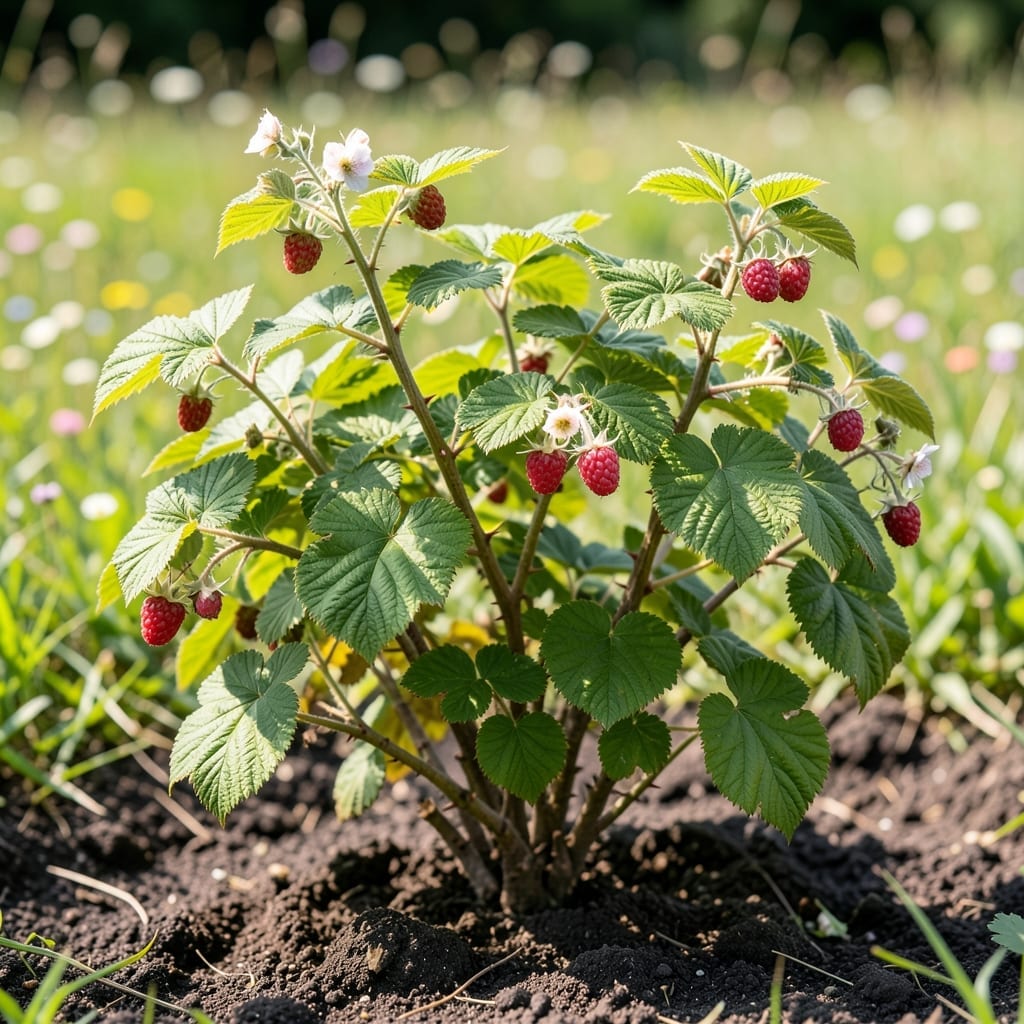
Wondering when your 🫐 Raspberry bushes will burst into bloom? The timing depends on the variety, climate, and even your pruning habits.
Most gardeners in zones 4-8 can expect a stunning display between late spring and early summer. But there’s more to it than just waiting for warmer weather.
Discover how different factors influence the blooming window and what you can do to encourage those beautiful flowers that lead to delicious fruit.
If you’re growing raspberries, knowing when to expect blooms helps you plan for a bountiful harvest. The timing varies by variety, with some producing flowers in late spring and others in early summer.
In my experience, summer-bearing raspberries typically bloom in May or June, while fall-bearing types may start flowering as late as July or August. Everbearing varieties can even produce two blooming cycles per year.
For gardeners in cooler climates (USDA zones 4-5), blooms may appear 1-2 weeks later than in warmer regions. I’ve noticed that Heritage and Autumn Bliss varieties tend to flower earlier than others.
In warmer zones (7-8), early blooming can start as soon as April for some summer-bearing types. This early start often leads to a longer harvest season as well.
I always recommend checking your local frost dates to fine-tune expectations. A late spring frost can delay blooming by 7-10 days, which impacts your fruit timeline.
The age of your plants matters too. First-year canes typically don’t bloom, while second-year canes produce the most flowers. This is why proper pruning is so important for consistent blooms.
For container-grown raspberries, blooming may occur slightly earlier due to the controlled environment. Just ensure your pots have good drainage and full sun exposure for best results.
Remember that bloom time directly affects your harvest window. Summer-bearing types produce fruit about 30-45 days after flowering, while fall-bearing varieties may take 60 days.
If you’re growing multiple varieties, you can enjoy continuous blooms from late spring through early fall. This staggered approach also helps extend your fresh berry season significantly. ☀️
Several key factors influence when your raspberry bushes will bloom. I’ve found that climate plays the biggest role, with warmer zones seeing earlier flowers.
Even the variety you choose makes a difference, as summer-bearing types bloom weeks before fall-bearing ones. But there’s more to consider than just the plant type.
I’ve noticed that late frosts can set back blooming by 1-2 weeks, so keep an eye on your local weather. Protecting young buds from cold snaps helps.
Another factor is watering consistency. Too much or too little moisture can stress the plant and delay blooming. Aim for 1-2 inches of water weekly.
The age of your canes matters too. First-year growth focuses on establishing roots, while second-year canes are primed for flower production.
Don’t overlook pruning timing. Cutting back canes at the wrong time can remove potential blooms. I always prune right after harvest for best results.
Finally, nutrient deficiencies can slow blooming. A balanced fertilizer in early spring gives your bushes the boost they need. 🌿