
Beautiful Plants For Your Interior
Beautiful Plants For Your Interior
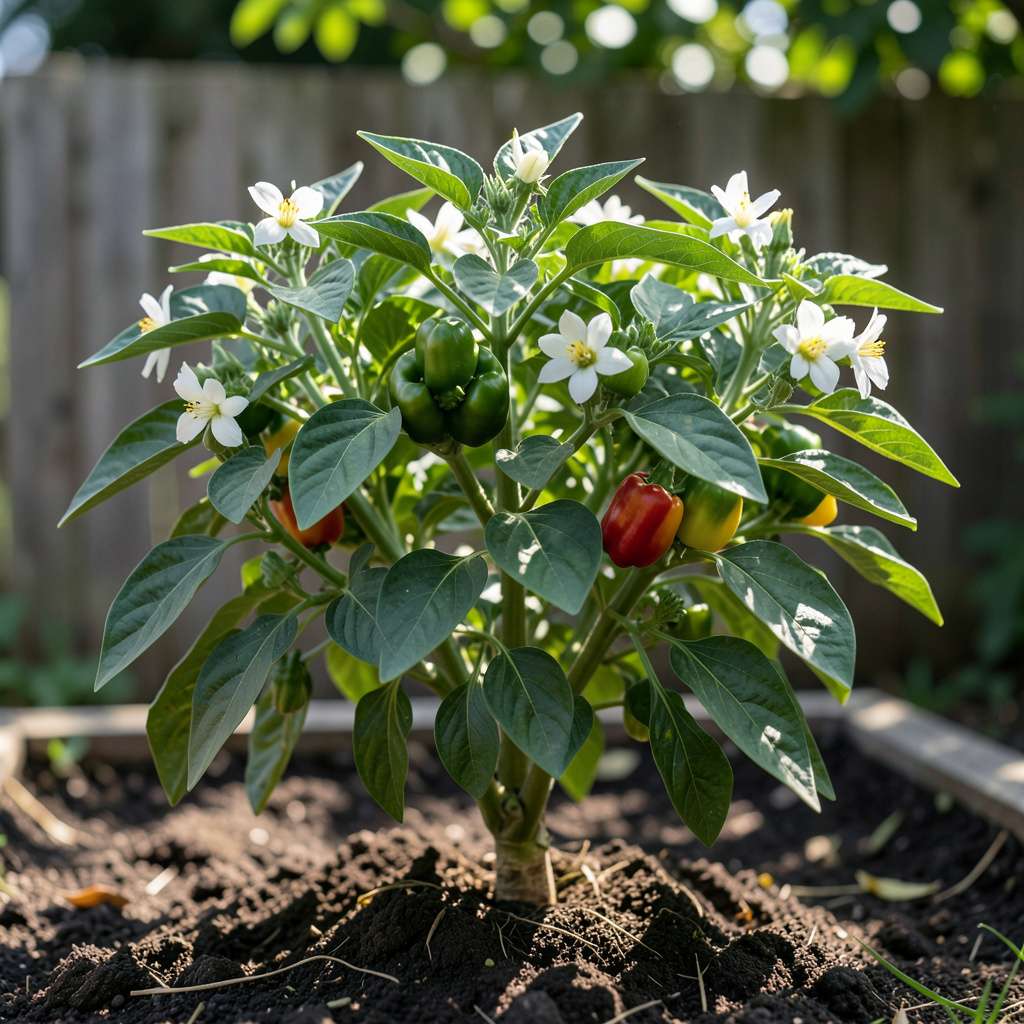
Pepper plants typically begin flowering 6-12 weeks after germination, depending on variety and growing conditions. Most produce buds when they reach 8-12 inches tall, with blooms appearing in late spring to early summer for outdoor plants.
I’ve noticed that pepper varieties have surprisingly different internal clocks when it comes to blooming. 🌱 The faster-maturing types like jalapeños often start showing flowers at the 6-week mark, while larger varieties such as bell peppers might take the full 12 weeks. What’s fascinating is how these plants use their early growth phase to establish strong root systems and leaf structures before diverting energy to flower production. This biological strategy ensures they’re fully prepared to support fruit development once pollination occurs.
From my garden journals, I’ve tracked that temperature plays a huge role in this timeline. Plants started indoors under grow lights often flower sooner than their outdoor counterparts because they experience more consistent warmth and light exposure. The transition from vegetative growth to flowering represents a critical shift in the plant’s life cycle, signaling it’s ready to begin reproduction.
💡 In This Article
The journey from seedling to flower involves complex biological signals. Pepper plants rely on environmental cues like temperature thresholds—most varieties need consistent soil temperatures above 60°F and air temperatures between 70-85°F to trigger flowering hormones.
The plant’s internal clock (photoperiodism) counts daylight hours, with many varieties requiring 12-14 hours of light daily to shift from vegetative growth to bloom production. 🌡️
Variety makes a dramatic difference in timing. Fast-maturing peppers like Thai chilis may flower in as little as 5-6 weeks, while blocky bell peppers often take 10-12 weeks to develop sufficient leaf nodes (typically 8-12 sets) before bud formation.
I’ve observed that hot peppers generally bloom earlier than sweet varieties because they’ve been bred for faster reproduction cycles in their native tropical climates.
Soil conditions create invisible timelines. Plants in nitrogen-rich soil may delay flowering as they focus on leaf growth, while those with balanced phosphorus (the “P” in NPK ratios) often bloom 7-10 days earlier. My soil tests show optimal flowering occurs at pH 6.0-6.8—outside this range, nutrient uptake suffers and bloom timing becomes unpredictable.
Water stress is another silent factor; both drought and overwatering can delay flowering by 2-3 weeks as the plant prioritizes survival over reproduction. 💧
The plant’s physical structure determines readiness. Most peppers won’t flower until they’ve developed 6-8 main branches and reached 12-18 inches in height. This architectural requirement ensures they have enough photosynthetic capacity to support fruit development.
I’ve noticed that pinching early flowers (a technique called “topping”) can actually accelerate later blooming by forcing the plant to develop more side branches first.
Stress factors create surprising variations. A pepper plant that experiences transplant shock may delay flowering by 1-2 weeks as it recovers. Conversely, mild stress like slightly reduced watering (but not drought) can sometimes trigger earlier blooming—a survival mechanism to reproduce before conditions worsen.
The most dramatic differences I’ve seen come from temperature swings: plants exposed to nights below 55°F often stall flower development until warmth returns. ☀️
Light quality matters as much as quantity. While peppers need sufficient daylight hours, the light spectrum influences timing too. Plants under full-spectrum LED grow lights often flower 1-2 weeks earlier than those under basic fluorescent bulbs because the red/blue wavelengths specifically stimulate flowering hormones.
In outdoor settings, early season cloud cover can delay blooming by 5-7 days compared to sunny springs.
The age of the seedling at transplanting creates a hidden timeline. Plants started indoors and transplanted at 6-8 weeks with well-developed roots often flower sooner than direct-sown seeds. This head start can mean the difference between early July blooms and late August flowers in cooler climates.
I always mark transplant dates in my garden journal—it’s the best way to predict flowering windows accurately. 📅
Most pepper varieties begin producing flower buds when they reach 8-12 inches tall with 6-8 main branches. This size ensures they have enough foliage to support fruit development. Smaller plants may flower prematurely but often drop buds if they can’t sustain them.
This typically happens with too much nitrogen fertilizer or insufficient light. Switch to a phosphorus-rich fertilizer (5-10-5 ratio) and ensure plants get 12-14 hours of sunlight daily. Overwatering can also delay flowering by preventing mild stress that triggers reproduction.
Use 5-gallon minimum containers, warm the soil with black mulch, and maintain consistent moisture. Move pots to the warmest microclimates (south-facing walls) and feed with bloom booster fertilizers every 10-14 days. This can accelerate flowering by 1-2 weeks compared to ground planting.
For stronger plants, yes! Pinching early flowers (before the plant reaches 18 inches) redirects energy to root and leaf growth. This temporary sacrifice leads to more abundant blooms later. Hot peppers recover faster than bell varieties from this pruning technique.
Nighttime temps below 55°F can stall flower development for 1-2 weeks. Use row covers to protect plants during cold snaps. Conversely, consistent 70-85°F temperatures speed up flowering. Temperature fluctuations of more than 15°F daily can cause bud drop.
