
Beautiful Plants For Your Interior
Beautiful Plants For Your Interior
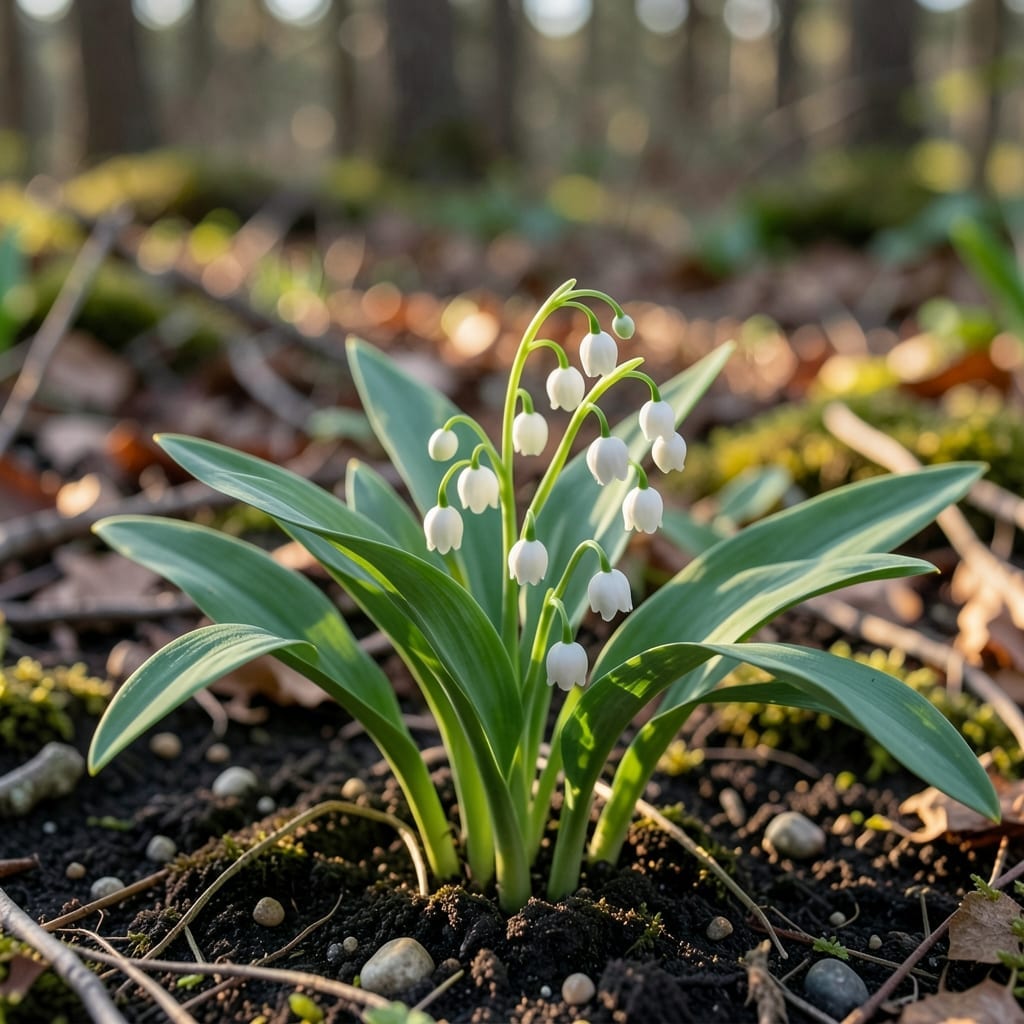
There’s something magical about the first signs of spring in your garden. The Lily Of The Valley 🌸, with its delicate bell-shaped flowers and intoxicating fragrance, is often the star of this seasonal show.
But timing is everything when it comes to enjoying its fleeting beauty. Knowing when to expect those iconic blooms helps you plan and savor every moment of their brief but spectacular display.
Discover the typical blooming window for these charming plants and how to ensure they thrive in your garden. Let me walk you through what you need to know.
The Lily of the Valley typically blooms in mid to late spring, usually between April and May. This timing can shift slightly based on your climate zone and local weather conditions.
In USDA zones 3-8, where these plants thrive, you’ll often see the first bell-shaped flowers emerge as the soil warms and days grow longer. The blooming period usually lasts for 2-3 weeks.☀️
| Factor | Detail |
|---|---|
| Blooming Months | April – May |
| Climate Zones | USDA 3-8 |
| Duration | 2-3 weeks |
| Light Needs | Partial shade |
| Soil Moisture | Consistently moist |
In cooler regions like the northern U.S. or higher elevations, blooms may appear closer to late May. Warmer areas, such as the southern U.S., might see flowers as early as March or early April.
Microclimates also play a role. For example, a south-facing garden bed or an urban heat island can cause earlier blooming by a week or two. Meanwhile, shaded or windy spots may delay blooms until early June.
I’ve noticed that Lily of the Valley planted under deciduous trees often blooms right as the trees leaf out. This is because the plants take advantage of the early spring sunlight before the canopy closes.
If you’re in zone 3 or 4, expect blooms a bit later. These areas have longer winters, so the ground stays cold longer. In contrast, zone 8 gardens might enjoy two flushes of blooms—one in spring and a lighter one in early fall.
To get the most from your Lily of the Valley, plant them in well-draining, humus-rich soil. They prefer partial shade but can tolerate full sun in cooler climates if the soil stays moist.
Remember, these plants spread via rhizomes, so give them room to grow. Overcrowding can reduce flowering, so thin them out every 3-4 years if needed.
In my garden, I pair them with hostas and ferns for a lush, layered look. The fragrant blooms complement the foliage beautifully, creating a serene springtime display.🌿
Finally, keep in mind that first-year plantings may not bloom. It often takes a season for the pips (root segments) to establish. Once settled, they’ll reward you with reliable spring blooms for years to come.
If you want to control the timing of your Lily of the Valley blooms, a few simple adjustments can make a big difference. I’ve found that light exposure is the easiest factor to tweak.
Planting in full shade can delay blooms by 1-2 weeks, while a sunnier spot encourages earlier flowers. Just remember, too much sun can scorch the delicate foliage.🌿
Ways to Adjust Blooming Time:
For earlier blooms, try forcing pips indoors. Plant them in pots in fall, keep them in a cool, dark place for a few weeks, then bring them into a bright, warm room. You’ll often see flowers 4-6 weeks earlier than outdoors.
Mulching is another great tool. A thick layer of organic mulch keeps the soil cooler, which can delay blooming. I use shredded bark or leaf mold for this purpose.
If you’re in a warmer climate and want to extend the bloom season, plant some in full shade and others in partial shade. This can create a staggered display that lasts longer.
Just be careful with over-watering. Too much moisture can rot the rhizomes. Aim for consistently moist but not soggy soil. A drip irrigation system works well for precise control.☀️
With these tips, you can enjoy Lily of the Valley blooms exactly when you want them, whether that’s earlier for a special occasion or later to extend your spring garden’s beauty.🌱