
Beautiful Plants For Your Interior
Beautiful Plants For Your Interior
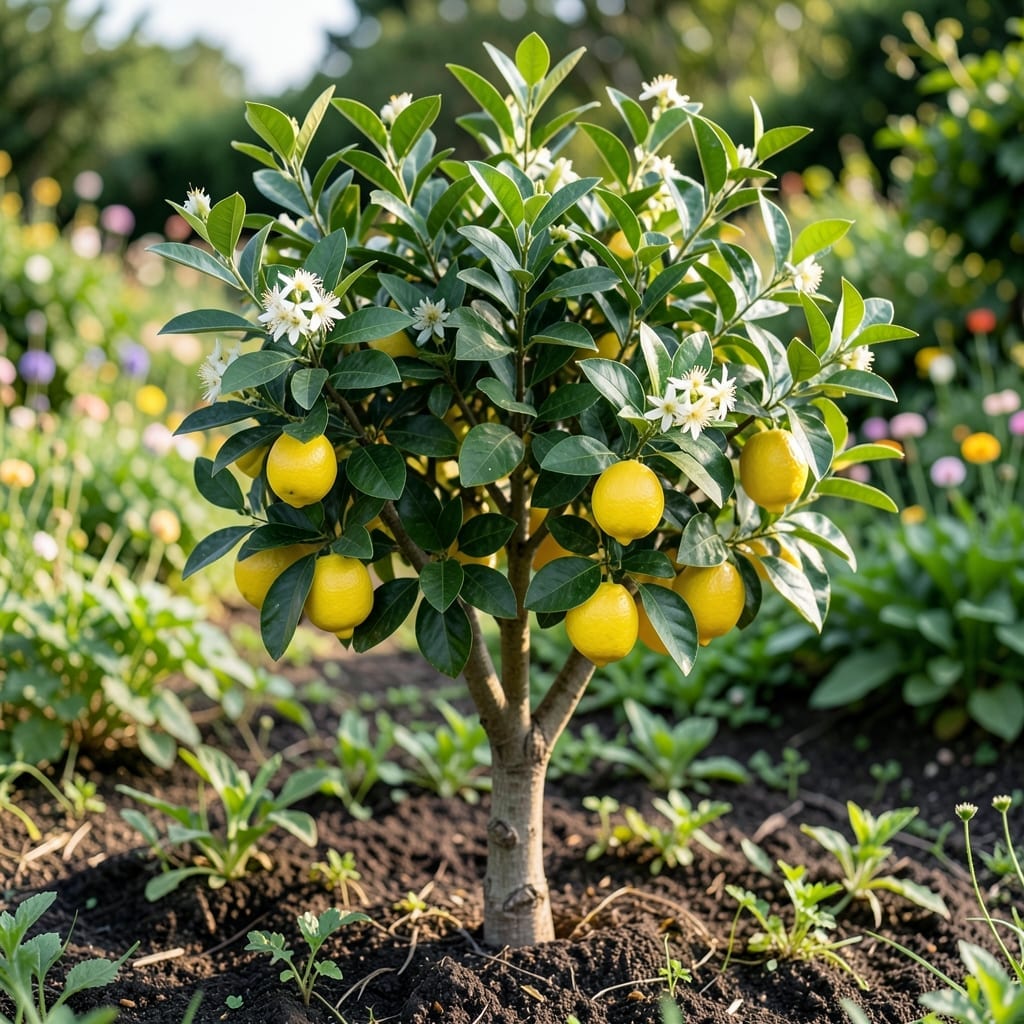
Watching your 🍋 Lemon tree transform is one of gardening’s most rewarding moments. But knowing when those green fruits will turn that perfect yellow can be a mystery to many growers.
Timing is everything when it comes to harvesting at peak ripeness. The color change from green to vibrant yellow signals your lemons are almost ready, but there are key details that determine the exact moment.
Discover how to read your tree’s signals and avoid the common mistake of picking too soon. Let’s explore what influences this transformation and how to get it right every time.
If you’ve ever wondered when your lemon tree fruits will turn that perfect yellow, you’re not alone. The transformation from green to golden is a fascinating process that typically takes 4-7 months after flowering.
This timeline can vary based on environmental factors like temperature, sunlight, and even the specific lemon variety you’re growing. Warmer climates often speed up the process, while cooler areas may extend it.
| Stage | Timeframe | Key Signs |
|---|---|---|
| Flowering | Spring | White blossoms appear |
| Fruit Set | 2-3 weeks after flowering | Small green lemons form |
| Growth Phase | 2-4 months | Fruits enlarge, remain green |
| Color Change | 4-7 months after flowering | Green fades to yellow |
| Full Ripeness | 6-12 months | Fully yellow, slightly soft |
The color change process begins when the chlorophyll in the fruit breaks down, revealing the yellow pigments beneath. This typically starts at the blossom end of the lemon and gradually spreads.
Eureka lemons often turn yellow faster than Meyer lemons, which may retain some green even when ripe. I’ve noticed that Meyer lemons in my garden sometimes stay greenish-yellow until fully mature.
Temperature plays a huge role in ripening speed. In my experience, lemons ripen about 25% faster in consistent 80°F weather compared to cooler 60°F conditions. That’s why California lemons often ripen quicker than those in cooler climates.
Don’t be fooled by early yellowing—some lemons may show color changes due to stress or disease rather than ripeness. A healthy lemon will turn yellow evenly and develop a glossy texture when truly ready.
I always check for other ripeness signs beyond color. A ripe lemon will feel slightly heavy for its size and have a sweet citrus aroma. The skin should also feel slightly soft when gently squeezed.
Remember that year-round lemon trees in warm climates may produce fruit that ripens at different times. I’ve had lemons on the same tree ripen in both summer and winter, depending on when the flowers appeared.
For the best results, I recommend testing one fruit when you first notice yellowing. Cut it open to check the juice content and seed development—these are sure signs of true ripeness.
With patience and observation, you’ll learn to recognize the perfect moment when your lemons are ready to pick 🌿
Knowing when lemons turn yellow is just the first step. I always look for multiple ripeness signs to confirm it’s time to pick. The color change is obvious, but texture and weight matter just as much.
A fully ripe lemon will feel slightly heavy for its size and have a glossy finish. I check by gently squeezing—it should give just a little, like a ripe avocado, but without bruising the skin.
Many gardeners think yellow means overripe, but that’s not true. Lemons don’t continue ripening after picking, so waiting for peak color on the tree is crucial for maximum sweetness.
I’ve found that Meyer lemons often develop a slightly orange tint when fully ripe, while Eureka lemons turn a brighter yellow. Both are perfect for harvest at this stage.
The stem connection is another clue. A ripe lemon will separate easily from the tree with a gentle twist. If you have to pull hard, it’s not ready yet.
For the most accurate test, I pick one lemon when I first notice these signs and cut it open. The juice should be abundant and seeds fully developed. If it meets these criteria, the rest are ready too.
Remember that climate affects flavor. Lemons from cooler areas may taste slightly different than those from warm regions, but the ripeness signs remain the same ✂️