
Beautiful Plants For Your Interior
Beautiful Plants For Your Interior
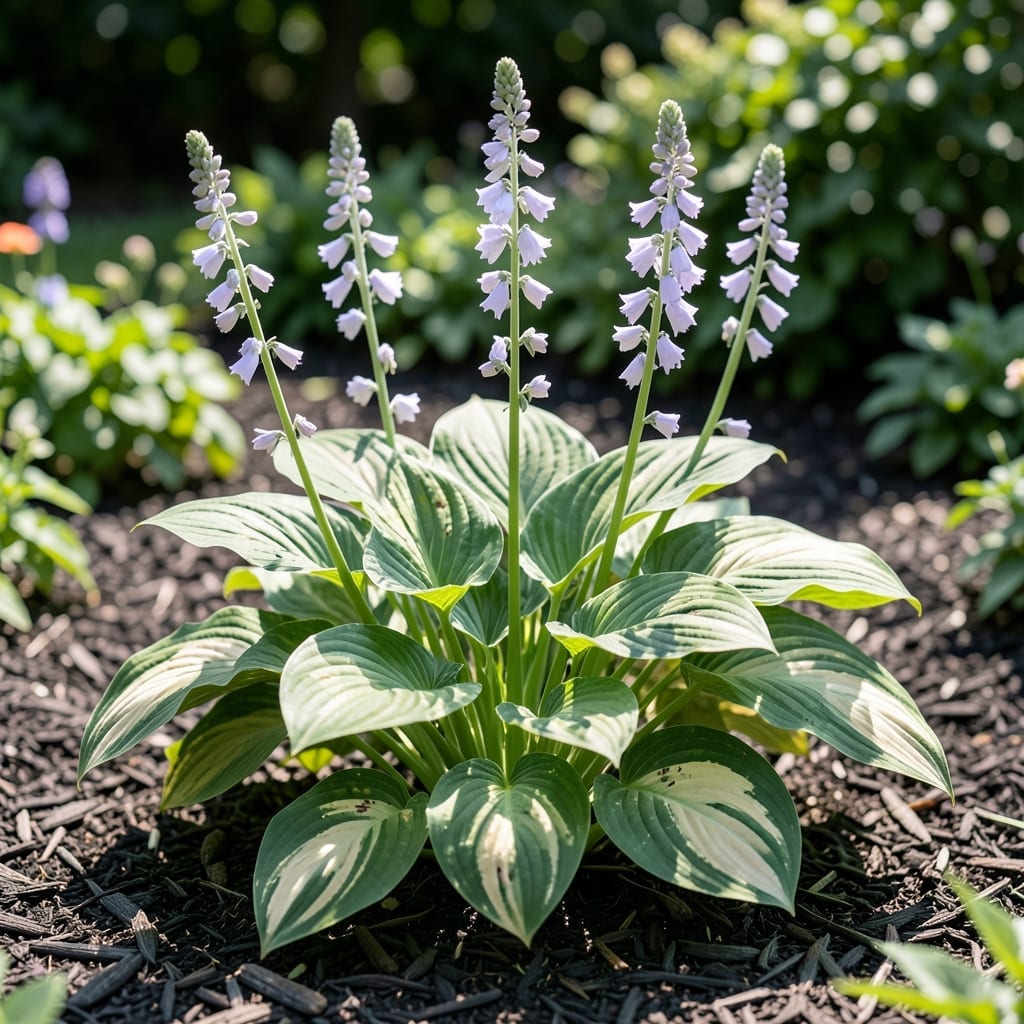
Hostas are beloved for their lush foliage, but their delicate flowers add a surprising burst of beauty to any garden. I was amazed to discover how these perennials transform a space when in bloom.
Knowing when 🌿 Hostas bloom helps you plan a stunning, season-long display. Their timing varies by type and climate, making them versatile for zones 3-8.
Let me share what I’ve learned about their blooming patterns and how to encourage the most vibrant flowers in your garden.
I love how hostas bring year-round interest to gardens, but their blooming season is when they truly shine. The timing varies by hosta variety and your USDA zone, creating a beautiful progression.
From early summer to fall, different hostas will burst into flower, offering a long-lasting display if you plant a mix of types. Here’s how to time it perfectly.
| Variety | Bloom Time | USDA Zones |
|---|---|---|
| Hosta sieboldiana | Mid to late summer | 3-8 |
| Hosta lancifolia | Early to mid summer | 4-8 |
| Hosta plantaginea | Late summer | 3-8 |
| Hosta ventricosa | Mid summer | 4-8 |
| Hosta undulata | Early summer | 3-8 |
In my garden, I’ve noticed that Hosta sieboldiana blooms later than most, often in August. Its large lavender flowers are worth the wait, towering above the foliage.
The earliest bloomers, like Hosta undulata, start in June in zone 5. Their delicate white flowers appear just as spring transitions to summer.
For zone 3 gardeners, expect blooms about 2-3 weeks later than in zone 8. This climate difference is crucial for planning your hosta display.
I always recommend planting multiple varieties together. This creates a staggered bloom effect that keeps your garden vibrant for months.
Remember that shade levels can shift bloom times slightly. Hostas in more sun may bloom a bit earlier, but too much sun can scorch their leaves.
The flower stalks rise dramatically from the center of the plant. I find they add vertical interest that contrasts beautifully with the mounding foliage.
Some hostas, like Hosta plantaginea, have fragrant blooms that perfume the evening air. Their white trumpet-shaped flowers are especially noticeable in shaded areas.
I’ve found that with the right care, you can extend hosta blooms and make them more vibrant. The key is understanding their growing needs and timing your efforts.
Rich soil with plenty of organic matter gives hostas the foundation for strong blooms. I always amend my beds with compost before planting. 🌱
I’ve noticed that hostas in partial shade produce the most flowers. Too much sun can bleach the blooms, while deep shade may reduce flowering.
Watering deeply once a week is better than frequent shallow watering. This encourages deep root growth, which supports stronger flower stalks. 💧
Deadheading is one of my secret weapons. By removing spent flowers, you redirect the plant’s energy into new blooms rather than seed production.
Finally, divide your hostas every 3-4 years. This rejuvenates the plants and often results in more abundant blooms the following season. I do this in early spring or fall.
Remember that younger hostas may focus more on foliage growth than blooming. Be patient—mature plants reward you with spectacular displays. 🌿