
Beautiful Plants For Your Interior
Beautiful Plants For Your Interior
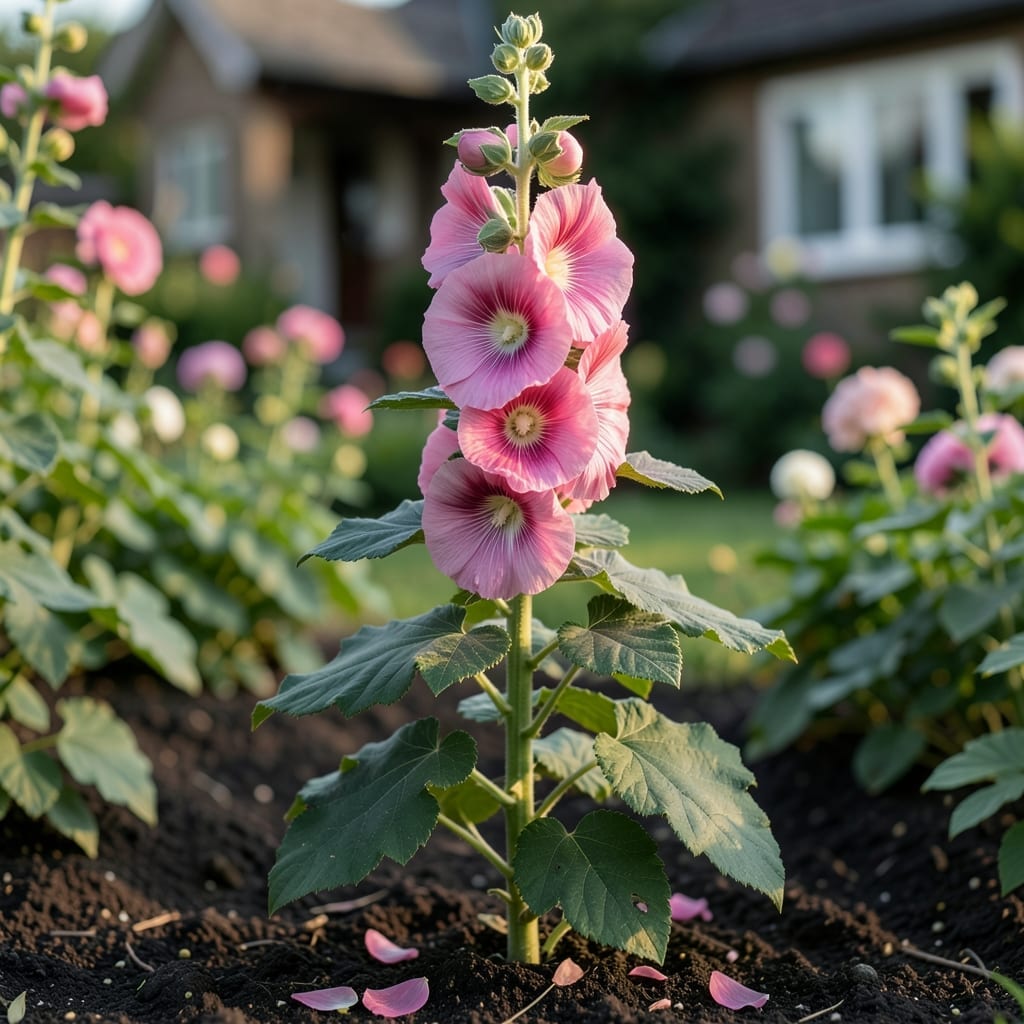
There’s something magical about watching Hollyhock 🌸 stems rise like colorful sentinels in a garden. These old-fashioned favorites don’t follow the usual flowering script, which can leave gardeners wondering about their timing.
I’ve learned their blooming schedule is as unique as their towering height. While many flowers have predictable patterns, hollyhocks march to their own seasonal drum.
Discover the perfect window to enjoy their vibrant display and how to coax the most from these stunning perennials. Let’s dig in.
If you’ve ever wondered when hollyhocks bloom, you’re not alone. These biennial or short-lived perennials have a unique flowering cycle that often catches gardeners off guard. Unlike annuals that bloom the first year, most hollyhocks focus on root and foliage growth in their first season.
The magic happens in the second year, when they produce their iconic tall flower spikes. Timing depends on your USDA zone and local climate, but there’s a general pattern to follow. Let me break it down for you.
| Stage | Timeframe | Notes |
|---|---|---|
| First Year Growth | Spring to Fall | Foliage only, no flowers |
| Blooming Period | Early Summer to Fall | Peak in July-August |
| Biennial Cycle | Year 2 | Full bloom 60-90 days after spring growth |
| Perennial Varieties | Year 1+ | May bloom first year if planted early |
In warmer zones (7-9), hollyhocks may start blooming as early as late spring. But in cooler regions (3-6), you’ll typically see flowers from mid-summer through early fall. The flower spikes open gradually from bottom to top.
Each flower stalk can produce blooms for 4-6 weeks, with individual flowers lasting about 3-5 days. The plant continues pushing up new spikes, extending the display. I’ve seen some varieties keep going until first frost in mild climates.
Alcea rosea, the common garden hollyhock, usually peaks in July and August. But newer perennial varieties like ‘Halo’ or ‘Mars Magic’ can start earlier. These may bloom in their first year if sown indoors early.
Regional differences matter too. In the Pacific Northwest, hollyhocks often bloom later due to cooler springs. Meanwhile, in the Southwest, they might start earlier but fade faster in intense heat. Always check your local last frost date.
For the longest display, plant succession crops. Sow seeds in early spring and again in late summer for next year. This staggers your hollyhocks’ growth stages, ensuring continuous blooms throughout the growing season.
Remember that soil temperature affects germination. Hollyhock seeds need 60-70°F soil to sprouts. In cooler areas, starting seeds indoors 6-8 weeks before last frost can give you earlier blooms.
With proper care, you might even get a second flush of blooms in early fall, especially if you deadhead spent flowers regularly. This encourages the plant to produce new flower spikes rather than focusing on seed production ☀️
Want your hollyhocks to flourish longer? I’ve found that with the right care, you can stretch their blooming season from a few weeks to several months. These tall beauties reward attention with extended color displays.
The key is understanding their growth habits. Since most hollyhocks are biennials, they focus on foliage in year one and flowers in year two. But even then, their natural bloom time can be extended.
I always deadhead faded blooms before they set seed. This signals the plant to produce more flower spikes instead of focusing on reproduction. Use clean pruning shears to cut back to the next bud.
Watering properly makes a huge difference. Hollyhocks need consistent moisture, especially during bud formation. Avoid overhead watering to prevent rust disease, a common issue with these plants.
For succession blooms, try planting new seeds every 2-3 weeks in spring. This creates a staggered growth cycle, ensuring you always have some hollyhocks in flower. The ‘Happy Lights’ series is great for this.
Don’t forget about soil quality. Hollyhocks thrive in well-draining, fertile soil. Amend your beds with compost before planting. In poor soil, they may produce fewer, weaker blooms.
With these simple steps, I’ve kept my hollyhocks blooming from early July through September. The reward is a garden filled with towering color when other plants start to fade 🌷