
Beautiful Plants For Your Interior
Beautiful Plants For Your Interior
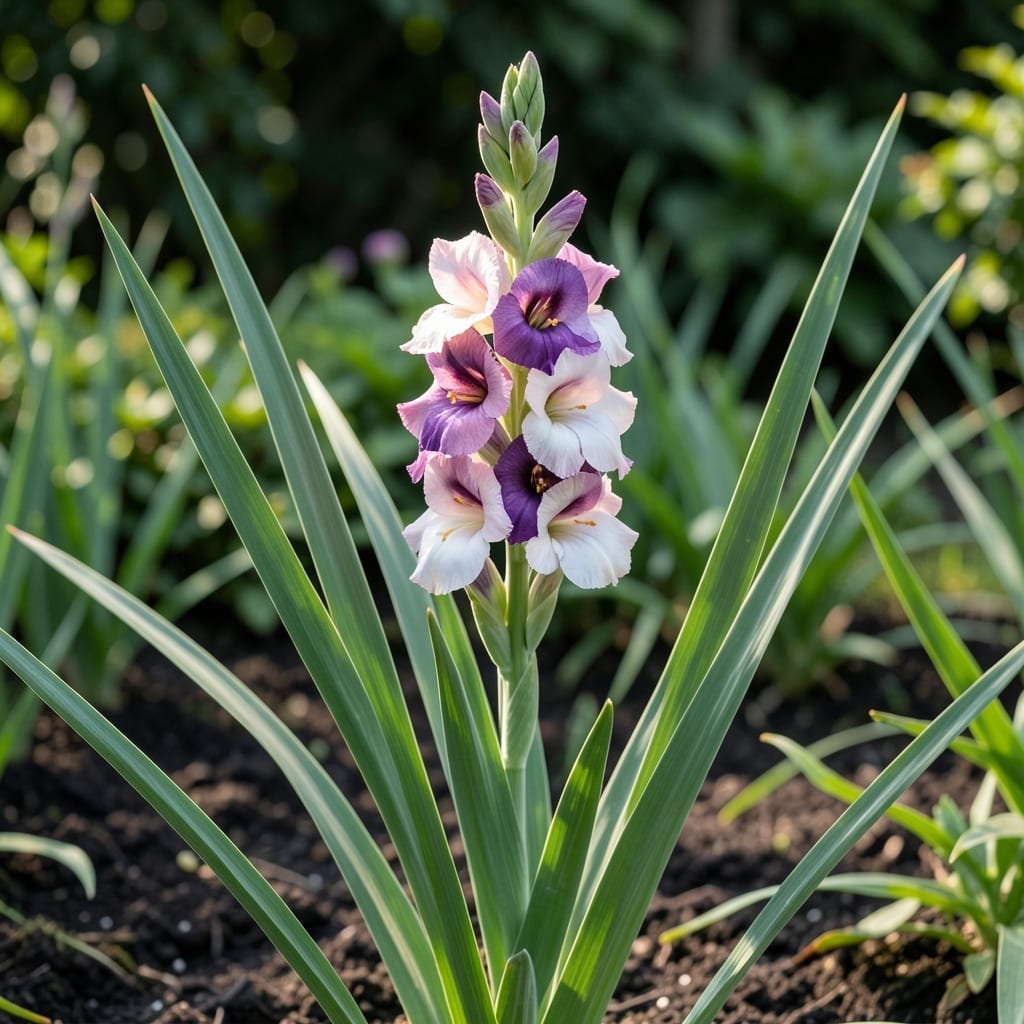
There’s nothing quite like watching Gladiolus 🌷 transform a garden with their towering, colorful spikes. Yet many gardeners struggle with timing, unsure of when these beauties will burst into bloom.
Understanding their flowering schedule lets you plan a stunning display that lasts all season long. Whether you’re new to growing Gladiolus or looking to refine your approach, timing is everything.
I’ll walk you through the typical blooming window and share tips to help you get the most vibrant results from your plants.
Timing your Gladiolus blooms starts with knowing your USDA zone. In warmer areas like Zones 8-10, these beauties often start flowering in early summer, while cooler Zones 3-5 see blooms closer to late July. 🌷
The variety matters too. Early-season Gladiolus like ‘Nanus’ can bloom in 60-70 days, while late-season types such as ‘Goliath’ may take 90-100 days from planting to flower.
| Variety | Days to Bloom | Bloom Season |
|---|---|---|
| Early Season | 60-70 | Early Summer |
| Mid Season | 70-85 | Mid Summer |
| Late Season | 90-100 | Late Summer |
In Zone 6, where many gardeners grow Gladiolus, planting in April typically yields blooms from July through September. This gives you a solid 3-month window of color if you stagger plantings. 🌿
For Zone 7 and warmer, you can plant as early as March for blooms starting in June. The key is waiting until soil temps reach at least 55°F to prevent corm rot.
If you’re in cooler Zones 3-5, start corms indoors 4-6 weeks before your last frost date. This head start helps compensate for the shorter growing season and ensures blooms by midsummer.
Succession planting is my secret weapon. I plant new corms every 2 weeks from spring to early summer. This creates a continuous bloom cycle that lasts until frost. ✂️
Remember that corm size affects timing too. Larger, mature corms (1.5-2 inches) will bloom faster than smaller ones. Always choose firm, healthy corms for the best results.
Finally, sunlight is non-negotiable. Gladiolus need full sun (6+ hours daily) to bloom on schedule. In shady spots, they may produce fewer flowers or bloom later than expected.
With these timing tips, you’ll enjoy Gladiolus blooms all season long. The key is planning ahead and working with your climate, not against it. 🌻
I’ve found that succession planting is the easiest way to keep Gladiolus blooming all summer. By planting new corms every 2 weeks, you create a continuous flower show from July through frost. 🌷
Proper spacing also helps. Crowded plants compete for nutrients, which can delay blooming. I space mine 6 inches apart in rows 2 feet apart for optimal air circulation.
Deadheading is another simple trick. When I remove faded flowers, the plant directs energy to producing new blooms instead of seeds. Just snip off the flower stalk below the spent bloom. ✂️
Fertilizing makes a noticeable difference. I use a balanced 5-10-10 fertilizer every 4-6 weeks during the growing season. This gives plants the nutrients they need for strong stems and vibrant flowers.
Don’t forget about watering. Gladiolus need 1-2 inches of water weekly. I water deeply at the base to avoid wetting the foliage, which can lead to disease. 💧
With these techniques, I’ve extended my Gladiolus bloom season by up to 6 weeks. The key is consistency and paying attention to your plants’ needs.