
Beautiful Plants For Your Interior
Beautiful Plants For Your Interior
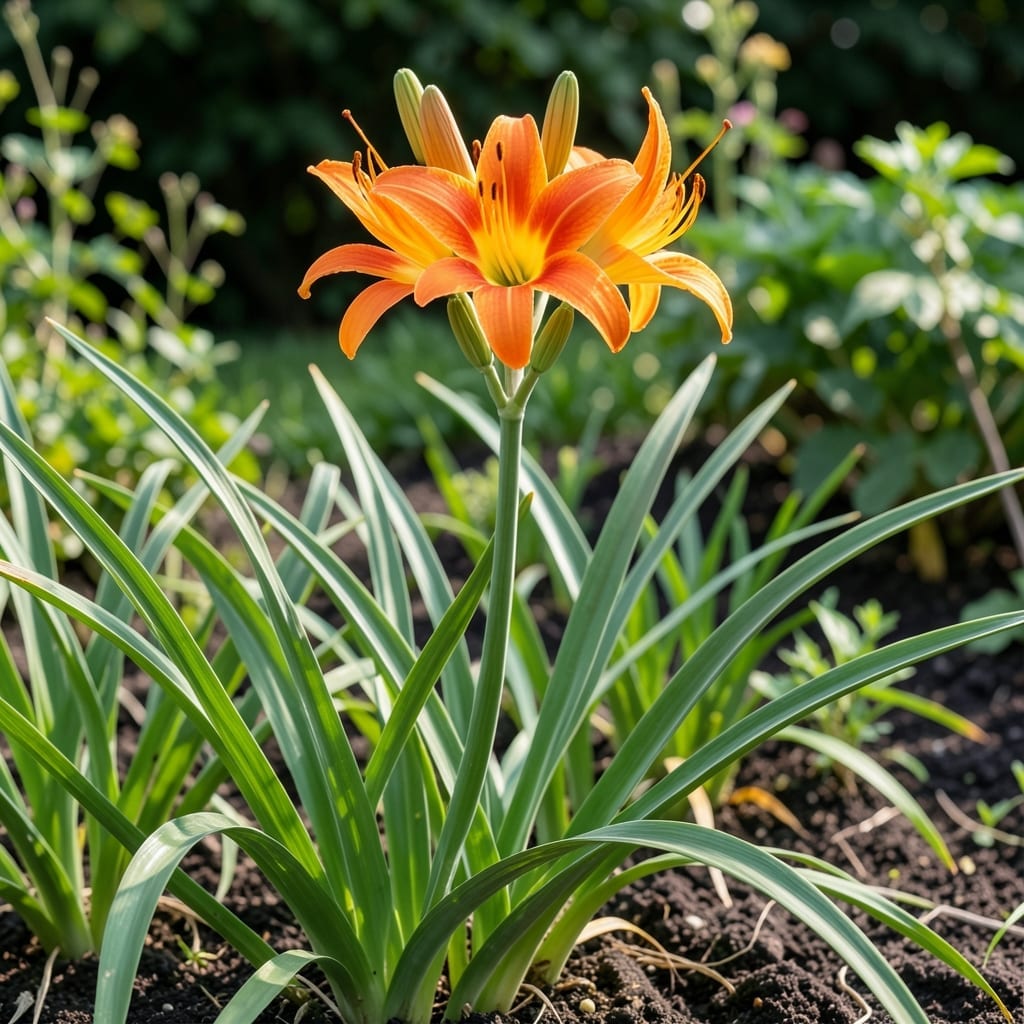
Daylilies are a gardener’s dream—hardy, low-maintenance, and bursting with color. But knowing exactly when these 🌸 beauty bloom can help you plan a vibrant garden all season long.
From early summer to late August, these perennials put on a spectacular show. Whether you’re new to gardening or a seasoned pro, timing their display can elevate your landscape.
I’ll share the key factors that influence their blooming period and how to maximize their flowering potential. Let’s dig in.
If you’re wondering when do daylilies bloom, the answer depends on the variety. Most daylilies follow a predictable pattern, but their exact timing can vary by type and region. I’ve seen early bloomers start as soon as May, while others hold off until late summer. 🌸
Understanding these differences helps you create a garden with continuous color. Some varieties even offer reblooming cycles, giving you multiple waves of flowers throughout the season. Let me break it down for you.
| Variety | Bloom Time | Notes |
|---|---|---|
| Early Season | May – June | First to bloom, great for early color |
| Mid Season | June – July | Peak blooming period for most varieties |
| Late Season | July – August | Extends color into late summer |
| Reblooming | May – September | Multiple bloom cycles, deadhead for more flowers |
In my garden, the early season daylilies like ‘Hyperion’ start blooming in late May. These are perfect for kicking off the summer with bright yellow blooms. They’re reliable and low-maintenance, making them a favorite among gardeners.
Mid-season varieties, such as ‘Stella de Oro’, are the backbone of most daylily collections. They typically bloom from June to July and are known for their vibrant colors and prolific flowering. I’ve found these to be the most dependable for consistent color.
The late-season daylilies, like ‘Autumn Red’, take over in July and August. These varieties ensure your garden stays colorful even as summer winds down. They’re a great way to extend the blooming season without much extra effort.
For those who want continuous blooms, reblooming daylilies are a must. Varieties like ‘Happy Returns’ can bloom multiple times a season, from May through September. Deadheading spent blooms encourages even more flowers.
Regional climate plays a big role too. In warmer zones (7-9), daylilies may start blooming earlier and last longer. In cooler areas (3-5), the season might be shorter, but the blooms are just as stunning. I’ve seen this firsthand in my own garden experiments.
If you’re planning a daylily garden, I recommend mixing early, mid, and late-season varieties. This way, you’ll have non-stop color from late spring to early fall. It’s a simple trick that makes a big impact.
And remember, proper care—like full sun and well-draining soil—helps any variety reach its full blooming potential ☀️
While daylily varieties have their natural bloom cycles, I’ve learned that climate and care practices can shift these timelines. Even the same variety may bloom earlier in Georgia than in Minnesota due to temperature differences.
In my experience, warmer climates accelerate blooming, while cooler regions delay it. Proper care ensures your daylilies hit their peak regardless of location. Let me share the key factors that influence their flowering.
I’ve noticed that temperature swings can confuse daylilies. A late spring frost might delay early bloomers, while a heatwave could accelerate flowering. In my garden, ‘Stella de Oro’ blooms 10 days earlier in hot summers.
Sunlight exposure is crucial. Daylilies in full sun (6+ hours) produce more blooms than those in partial shade. I positioned mine where they get morning sun and afternoon shade in extreme heat.
Watering consistency affects bloom timing. Drought stress can delay or reduce flowering. I water deeply once a week, more in extreme heat. Mulching helps retain moisture and keeps roots cool.
Soil quality impacts everything. Daylilies thrive in well-draining soil with organic matter. I amend my beds with compost each spring for best results 🌱