
Beautiful Plants For Your Interior
Beautiful Plants For Your Interior
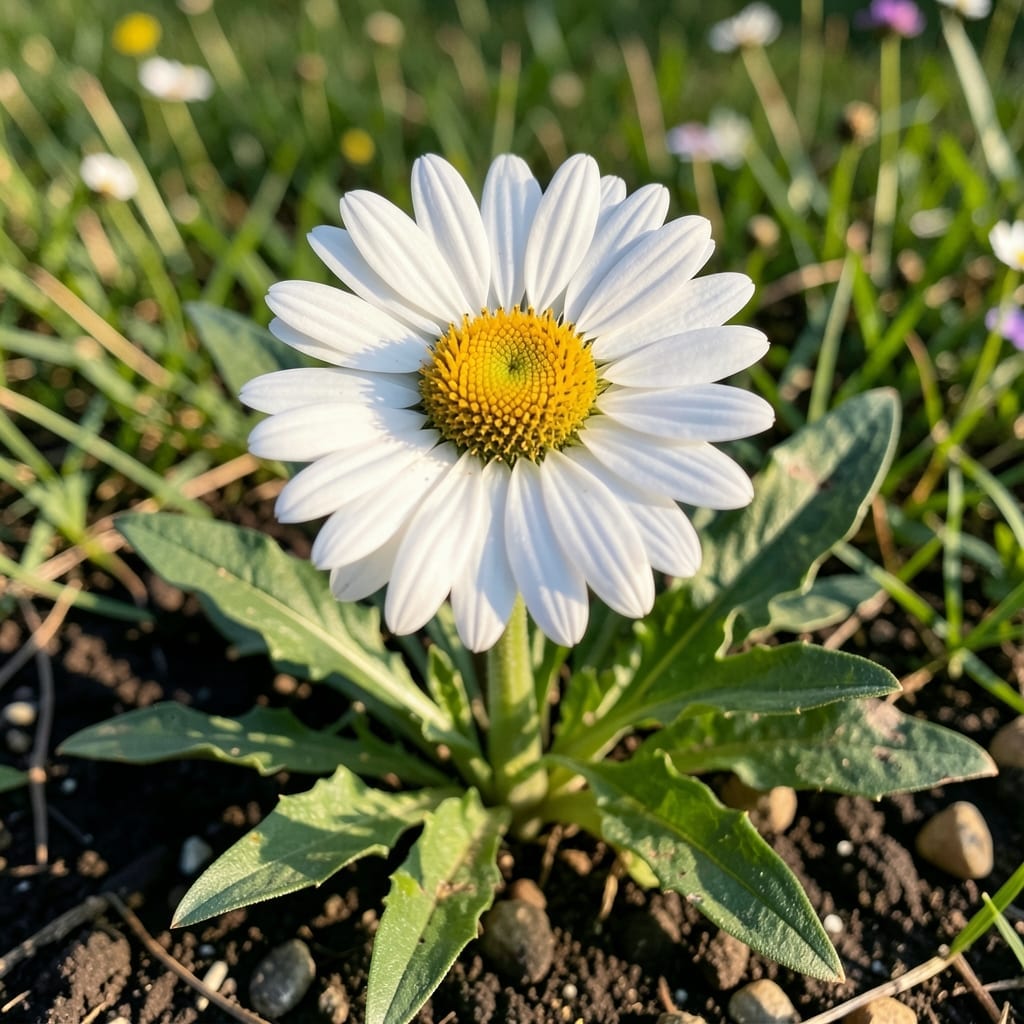
There’s nothing quite like seeing a field of daisies in full bloom, their white petals glowing under the sun. The 🌼 Daisy brings joy to any garden, but knowing when to expect those cheerful faces can be tricky.
Timing varies by type and climate, but most daisies follow a predictable pattern. I’ll break down the typical blooming windows and what influences them.
Discover how to align your garden with nature’s schedule and enjoy longer, more vibrant displays of these classic flowers.
I love how different daisy varieties offer unique bloom times, letting us enjoy their charm from early spring through fall. The classic Oxeye daisy typically blooms from May to July in most regions.
Shasta daisies, a garden favorite, usually start their show in early summer and can continue through September with proper care. This extended period makes them a staple for long-lasting color in borders.🌼
| Variety | Bloom Season | Climate Notes |
| Oxeye Daisy | May – July | Cool climates |
| Shasta Daisy | June – September | Temperate zones |
| African Daisy | March – May | Warm regions |
| Gerbera Daisy | Spring – Fall | Indoor/Outdoor |
| English Daisy | Early Spring | Cool, moist areas |
African daisies thrive in warmer climates and often bloom from March to May, making them perfect for early color in southern gardens. Their vibrant hues can brighten any landscape after winter’s gray.
Gerbera daisies are the overachievers, often blooming from spring through fall if deadheaded regularly. These come in a rainbow of colors and do well in both garden beds and containers.🌼
English daisies are the earliest risers, often pushing through late winter snow to bloom in early spring. Their resilience makes them ideal for cold-hardy gardens in northern zones.
For longest bloom times, I recommend planting a mix of varieties. This creates a staggered display that keeps your garden colorful for months. Shasta and Gerbera together can cover nearly the entire growing season.
Climate plays a huge role in bloom timing. In warmer zones, daisies may start earlier and last longer, while cooler areas might see a shorter but more intense bloom period.
I’ve found that well-draining soil and full sun help maximize bloom time for most varieties. Even partial shade can work, but expect fewer flowers and potentially shorter display periods.
Remember that perennial daisies like Shasta often bloom in their second year, while annual varieties will flower the first season. This is important when planning your garden’s timeline.
With the right selection and care, you can enjoy daisy blooms from the first hints of spring until the first frost. I always look forward to their cheerful faces greeting me in the garden.🌼
I’ve found that proper care can significantly extend your daisy blooming season. The key is consistent deadheading, which encourages new flower production.
Regular watering and balanced fertilization also play crucial roles. I recommend morning watering to prevent fungal issues and monthly feeding during active growth.
Companion planting can also help extend blooms. I like pairing daisies with lavender or Russian sage, which attract pollinators that may improve flower production.
Proper spacing is often overlooked but vital. Crowded daisies compete for resources, leading to fewer blooms. Give each plant 12-18 inches of space to thrive.
Seasonal care makes a difference too. In hot climates, afternoon shade can prevent heat stress that shortens bloom time. In cooler areas, ensure good drainage to prevent rot.
I always pinch back young plants to encourage bushier growth and more flower stems. This simple technique can double your bloom count.🌼