
Beautiful Plants For Your Interior
Beautiful Plants For Your Interior
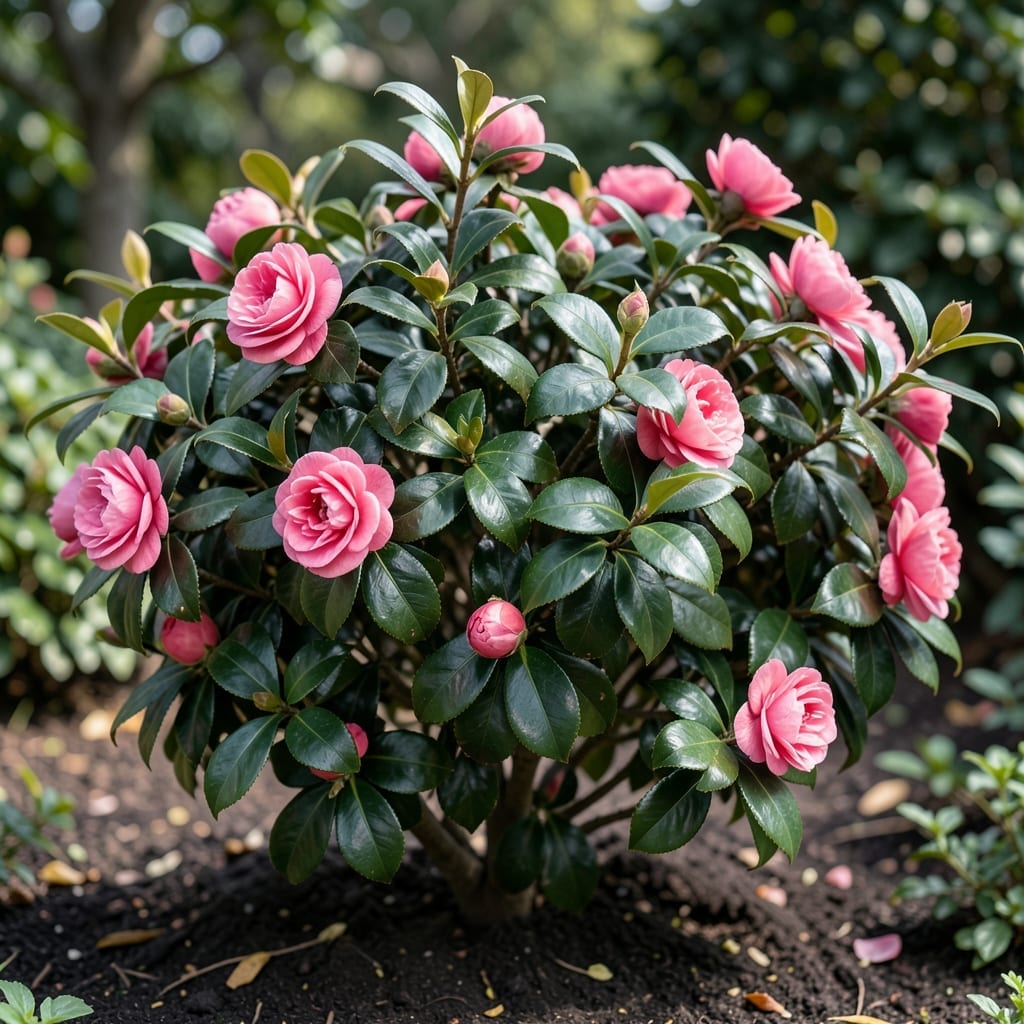
There’s nothing quite like watching a 🌸 Camellia burst into bloom, but timing varies wildly by type. Some gardeners see flowers as early as fall, while others wait until spring.
Understanding these differences can transform your garden planning. Whether you’re new to Camellias or a seasoned grower, the right knowledge helps you enjoy their beauty longer.
Discover how to predict and even extend your Camellia’s blooming season with simple, practical tips. Let’s get started.
Camellias are diverse in their blooming habits, with each variety offering a unique seasonal display. The Camellia japonica is famous for its late-winter to spring flowers, typically from January to April. This makes it a garden star during colder months.
On the other hand, Camellia sasanqua blooms earlier, gracing gardens from fall to early winter, often October through December. Its delicate, often fragrant flowers add charm when most plants are dormant.
| Variety | Bloom Season | Key Months |
|---|---|---|
| Japonica | Late Winter – Spring | Jan – Apr |
| Sasanqua | Fall – Early Winter | Oct – Dec |
| Reticulata | Mid to Late Winter | Feb – Mar |
| Higo | Fall to Winter | Nov – Jan |
For gardeners in warmer climates like USDA zones 8-9, blooms may appear earlier than in cooler zones. The Camellia reticulata often flowers in mid to late winter, providing a burst of color when little else is in bloom.
If you’re seeking extended blooms, consider planting a mix of varieties. Early, mid, and late-season camellias can provide months of color from fall through spring. This strategy ensures your garden stays vibrant almost year-round.
The Higo camellia, a lesser-known type, blooms from fall to winter, often overlapping with sasanqua. Its smaller flowers are packed with petals, creating a striking display even in the off-season.
Climate plays a huge role in bloom timing. In mild coastal areas, camellias may start flowering weeks earlier than in inland regions with colder winters. Always check your local frost dates for the best planting strategy.
For those in cooler zones, like USDA zone 7, camellias may bloom later to avoid frost damage. Protecting plants with mulch or frost cloth can help ensure flowers develop fully without cold snaps ruining the show.
Don’t forget that microclimates in your garden can also shift bloom times. A sunny south-facing wall might encourage earlier flowers, while shaded spots could delay blooming until conditions are just right.
By selecting a diverse range of camellia varieties and understanding their unique needs, you can create a garden that bursts with color from fall through spring. It’s all about planning and placement. 🌸
While camellia varieties have their natural bloom times, several factors can shift their schedule. Climate zone is perhaps the biggest influencer—warmer areas see earlier blooms, while cooler regions may experience delays.
Sunlight exposure also plays a role: camellias in full shade often flower later than those getting morning sun. Even your garden’s microclimates can create subtle differences in timing.
Pruning habits can make or break your bloom season. I always remind gardeners to finish pruning by mid-summer, as camellias set their flower buds in late summer. Prune too late, and you’ll cut off next year’s blooms.
Soil conditions matter more than many realize. Camellias thrive in acidic, well-draining soil. If your soil is too alkaline, you may notice fewer blooms or yellowing leaves, a sign of nutrient lockout.
Watering consistency is another critical factor. Drought stress or waterlogged roots can cause buds to drop before they open. I aim for 1 inch of water weekly, adjusting for rainfall and temperature.
Finally, plant age and health influence flowering. Young camellias may take 3-5 years to produce abundant blooms. Older, well-established plants typically flower more reliably, especially when given proper care and balanced fertilizer in spring.
By controlling these factors, you can fine-tune your camellia’s bloom time and enjoy a more predictable, vibrant display each year. ✂️