
Beautiful Plants For Your Interior
Beautiful Plants For Your Interior
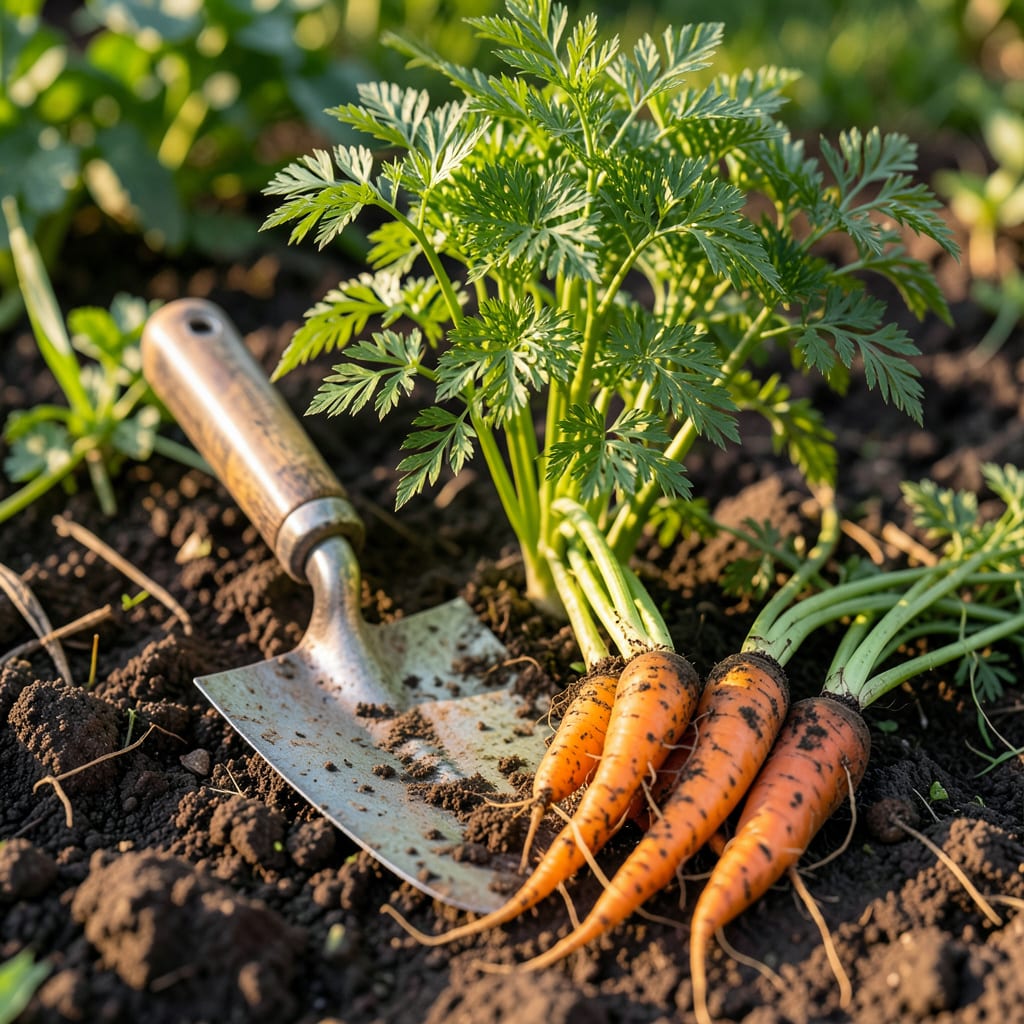
Nothing beats the satisfaction of pulling perfect 🥕 Carrots from your garden at just the right moment. But how do you know when they’ve reached their peak?
I’ll show you the subtle signs to look for, from shoulder diameter to color changes. With these tips, you’ll never second-guess your harvest timing again.


I’ve learned that carrot maturity isn’t just about time—it’s about visual cues and physical checks. The first sign I look for is the shoulder diameter peeking above the soil.
Most carrot varieties are ready when their top diameter reaches 0.75 to 1 inch. But there’s more to it than just size, as color and foliage also tell a story.
| Sign | What to Look For | Variety Notes |
| Shoulder Diameter | 0.75-1 inch wide | Standard for most types |
| Color Depth | Vibrant, uniform hue | Orange, purple, or red |
| Foliage Size | 8-12 inches tall | Healthy but not overgrown |
| Days to Maturity | 50-90 days | Check seed packet |
| Root Crown | Visible above soil | Gently brush soil away |
For early varieties like ‘Paris Market’, I start checking at 50 days. These smaller, round carrots mature faster than longer types like ‘Danvers’.
The color test is simple: if the exposed root shows a rich, consistent color, it’s likely ready. Pale or uneven coloring means it needs more time in the ground.
I always gently brush soil away from the root crown to check progress. This avoids disturbing the plant while giving me a clear view of its development.
Another reliable indicator is the foliage height. When the green tops reach 8-12 inches, it’s usually time to start checking the roots below.
Remember that soil temperature affects growth speed. In warmer soil (around 75°F), carrots may mature 10-15 days faster than in cooler conditions.
For fall-planted carrots, I extend the growing time by 1-2 weeks since cooler temperatures slow development. This often results in sweeter carrots due to increased sugar content.
Always refer to your seed packet for the exact days to maturity, but combine this with the visual checks for the most accurate timing.
I’ve seen many gardeners rush to pull carrots too soon, only to find pencil-thin roots that lack sweetness. The most common mistake is harvesting based on days alone without checking visual cues.
Early harvesting often results in small, bitter carrots because they haven’t developed their full sugar content. On the other hand, leaving them too long can lead to tough, woody textures or splitting.
⚠️ Warning: Over-mature carrots become woody and split in the ground. Immature ones stay thin and bitter. Always check shoulder size and color before pulling.
Another pitfall is ignoring soil conditions. If the ground is too hard or dry, pulling carrots can cause them to break. I always water the bed the day before harvest to loosen the soil.
Temperature swings also affect maturity. A late frost can damage exposed roots, while heat waves may speed up growth unevenly. I monitor weather and adjust my harvest plans accordingly.
For fall carrots, I avoid leaving them in the ground after hard frosts. While light frosts can enhance sweetness, severe cold can ruin the texture and make them mushy.
Remember that variety matters. Baby carrots like ‘Paris Market’ are ready at 50 days, while storage types like ‘Danvers’ may need 90 days or more. Always check your seed packet for specifics.
I also avoid harvesting during rainy periods as wet soil can make roots waterlogged and prone to rot. A dry, sunny day is ideal for pulling and storing carrots.
I’ve found that proper harvesting techniques make all the difference in getting intact, sweet carrots from the garden. The first step is always preparing the soil to prevent breaking.
I water the bed the day before harvest to loosen the soil. This makes pulling easier and reduces the risk of snapped roots. Dry, compacted soil is the enemy of a clean harvest.
I always use a garden fork to gently loosen the soil around the carrots before pulling. This is especially important for long varieties like ‘Nantes’ that grow deep into the ground.
When pulling, I grasp the foliage near the base and pull slowly and steadily. If resistance is strong, I’ll use the fork to lift the soil around the root to help it come free.
After harvesting, I immediately trim the greens to 1-2 inches above the root. This prevents the tops from drawing moisture out of the carrots during storage.
For best storage, I brush off excess soil but don’t wash the carrots until ready to use. This helps them stay fresh longer in the fridge or root cellar.
Gently brush soil away from the root crown to expose the top. When the shoulder diameter reaches 0.75-1 inch, they’re likely ready. This method prevents disturbing the plant’s growth.
Yes, but don’t wait too long. Mature carrots left in the ground can become woody or split. For sweeter flavor, harvest before they reach maximum size. In cool climates, they’ll keep for 2-3 weeks longer.
This usually means they were harvested too early. Immature carrots haven’t developed their full sugar content. Check the shoulder size and color depth before pulling.
Pick on a dry, sunny morning after watering the bed the night before. This makes the soil easier to work with and helps carrots stay fresh longer. Avoid harvesting during rain.
