
Beautiful Plants For Your Interior
Beautiful Plants For Your Interior
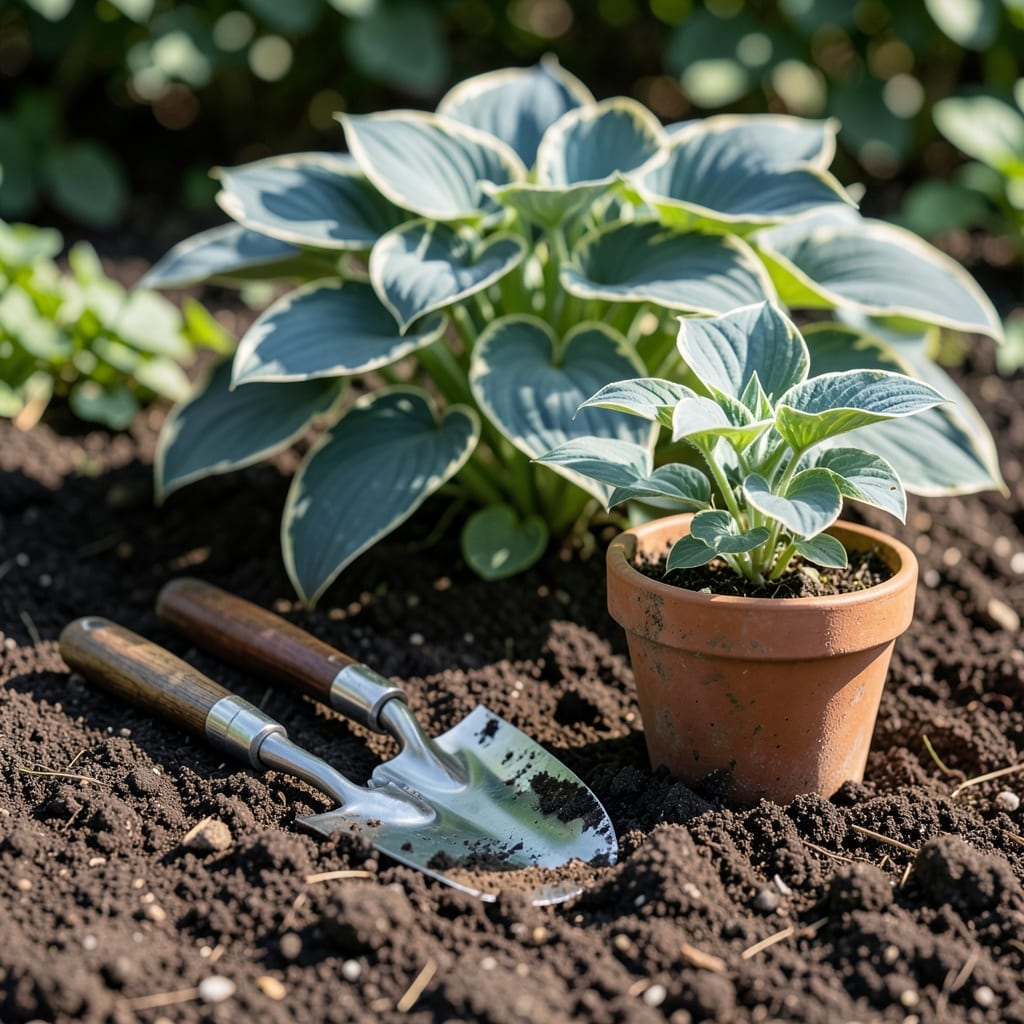
Transplanting Hostas at the wrong time can stress your plants and stunt their growth, but timing it right ensures lush, thriving foliage year after year.
I’ve learned that early spring or early fall are the best windows for moving these hardy perennials. The cooler temperatures help reduce shock while giving roots time to establish.
Let me show you how to spot the perfect moment and share the key steps for a smooth transition. Your 🌿 Hostas will thank you with vibrant growth.


Timing is everything when moving Hostas. I’ve found that early spring and early fall are the best windows for transplanting these shade-loving perennials. 🌿
The cool temperatures and moderate moisture in these seasons help reduce transplant shock while giving roots time to establish before extreme weather hits.
🌿 Ideal Transplanting Windows for Hostas
| Season | Best Months | Why It Works |
|---|---|---|
| Early Spring | March-April | Cool temps, pre-growth dormancy |
| Early Fall | September-October | Post-heat, root recovery time |
In USDA zones 3-9, March to April is ideal because the soil is workable but the new growth hasn’t emerged yet. This gives your Hostas a head start. 🌱
For fall transplanting, aim for September to October. The summer heat has passed, and the plants have 6-8 weeks to establish roots before winter dormancy.
I always check the soil temperature too. It should be above 40°F for active root growth. Use a soil thermometer to be sure.
Avoid transplanting during summer heatwaves or active blooming. The stress can stunt growth or even kill the plant. Midday sun and high temps are a recipe for disaster. ☀️
If you’re in a warmer climate (zones 7-9), you might get away with late winter transplanting. But in colder zones (3-5), stick to spring or fall to be safe.
Pro tip: Transplant on a cloudy day or in the early morning to minimize stress. Keep the root ball intact and water thoroughly after moving.
With the right timing, your Hostas will reward you with lush foliage and vibrant color for years to come. It’s all about working with nature’s rhythm. 🌿
Transplanting Hostas successfully starts with preparing the new site first. I always dig the new hole before removing the plant to minimize root exposure. 🌱
Use a sharp spade to dig a wide hole, about twice as wide as the root ball. This gives roots room to spread and reduces transplant shock.
🌿 Key Transplanting Steps:
When digging up your Hostas, work in a circle around the plant. Use your spade to loosen the soil before lifting to keep the root system as intact as possible. ✂️
For mature clumps, you can divide them during transplanting. I use a clean knife to separate healthy sections with at least 3-4 shoots each.
Avoid fertilizing immediately after transplanting. Wait 2-3 weeks to let the plant recover. Instead, focus on consistent watering for the first 2 weeks.
After transplanting, I always monitor closely for wilted leaves or yellowing. These signs mean the plant needs more water or shade protection. 🌿