
Beautiful Plants For Your Interior
Beautiful Plants For Your Interior
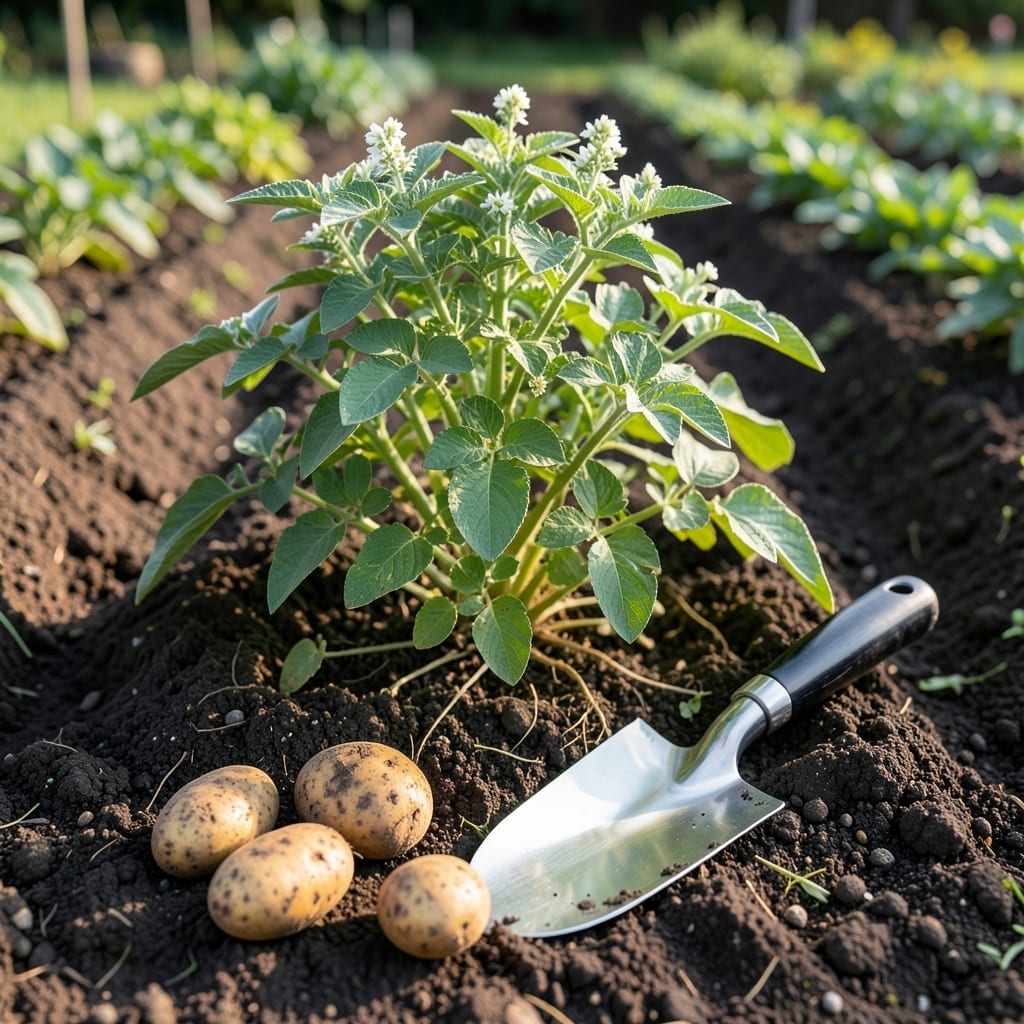
Timing is everything when you’re growing potatoes in Zone 5—plant too early, and frost could wipe out your young sprouts. Too late, and you’ll miss the entire harvest window for your 🥔 crop.
I’ve learned the hard way that getting this right makes all the difference. The sweet spot balances soil warmth with frost dates, ensuring your Potato plants thrive from the start.
Whether you’re a first-time gardener or a seasoned pro, understanding these windows is the key to a bountiful harvest. Let me walk you through the exact timing that works best.
We’ll cover both spring and fall planting strategies, so you can plan with confidence and maximize your yield this growing season.
In USDA Zone 5, timing your potato planting right means nailing two key windows. I always aim for 2-3 weeks before the last frost in spring, which is typically April 15 here. That puts my planting date around late March to early April when soil temps hit 45-55°F. ☀️
For a fall harvest, I count back 10-12 weeks from the first frost, around October 15. That means getting seed potatoes in the ground by mid-July to early August. This gives tubers enough time to mature before cold weather sets in. 🌱
| Season | Planting Window | Harvest Window | Soil Temp |
| Spring | Late March – Early April | July – August | 45-55°F |
| Fall | Mid-July – Early August | October – November | 50-60°F |
I’ve found that early varieties like Yukon Gold or Red Norland work best for spring planting. They mature in 60-90 days, giving a good buffer against late frosts. For fall, I stick to these same quick growers to beat the first freeze. 🌿
Soil temperature is non-negotiable for potatoes. I use a soil thermometer to check depths of 4-6 inches. If it’s below 45°F, I wait. Cold soil causes seed potatoes to rot before they can sprout. ✂️
Remember that last frost dates are averages. I watch the 10-day forecast closely. If a late frost threatens after planting, I cover my rows with frost cloth or old blankets to protect emerging shoots.
For fall planting, I stop watering 2 weeks before harvest to toughen up the skins. This prevents damage during digging and improves storage life. I also mulch heavily to maintain consistent soil temperatures as days cool.
I’ve learned that container growing extends my season. Pots on my patio warm up faster in spring and can be moved to shelter if cold snaps threaten. This method also works well for fall crops when I need to protect plants from early frosts.
Pro tip: Rotate your potato beds every year to prevent disease buildup. I keep a 3-year rotation with other vegetables like beans or corn. This practice has significantly reduced my issues with potato scab and other soil-borne problems.
Whether you’re planting in spring or fall, always use certified disease-free seed potatoes. Grocery store potatoes often carry viruses that can ruin your crop. I order mine from reputable catalogs to ensure a healthy start. 🪴
Preparing your soil and seed potatoes properly is the secret to success in Zone 5. I always start by checking my soil pH, aiming for 5.0-6.5—slightly acidic is perfect for potatoes. A simple test kit from the garden center does the trick. 🌱
Next, I chit my seed potatoes by placing them in a bright, cool spot for 2-4 weeks before planting. This encourages strong sprouts and gives them a head start. Be sure to keep them out of direct sunlight to prevent greening.
⚠️ Warning: Never plant in cold, soggy soil—this causes seed potatoes to rot. Wait until soil reaches 45°F and is workable. Pre-warm beds with black plastic for 1-2 weeks if needed.
For larger seed potatoes, I cut them into 2-inch pieces with at least 2 eyes each. Let the cut surfaces dry for 24-48 hours to prevent rot. This also gives me more plants from each seed potato. 🌿
I improve my soil by mixing in 2-3 inches of compost and a balanced fertilizer like 10-10-10. Potatoes are heavy feeders, so this gives them the nutrients they need. Avoid fresh manure, as it can cause scab.
In Zone 5, I’ve found that raised beds warm up faster in spring, which is a big advantage. If planting in ground, choose a sunny spot with good drainage. Potatoes hate wet feet!
Finally, I always use certified disease-free seed potatoes. Grocery store spuds often carry viruses. I order mine from reputable suppliers to ensure a healthy crop. Proper preparation now means fewer problems later. ✂️