
Beautiful Plants For Your Interior
Beautiful Plants For Your Interior
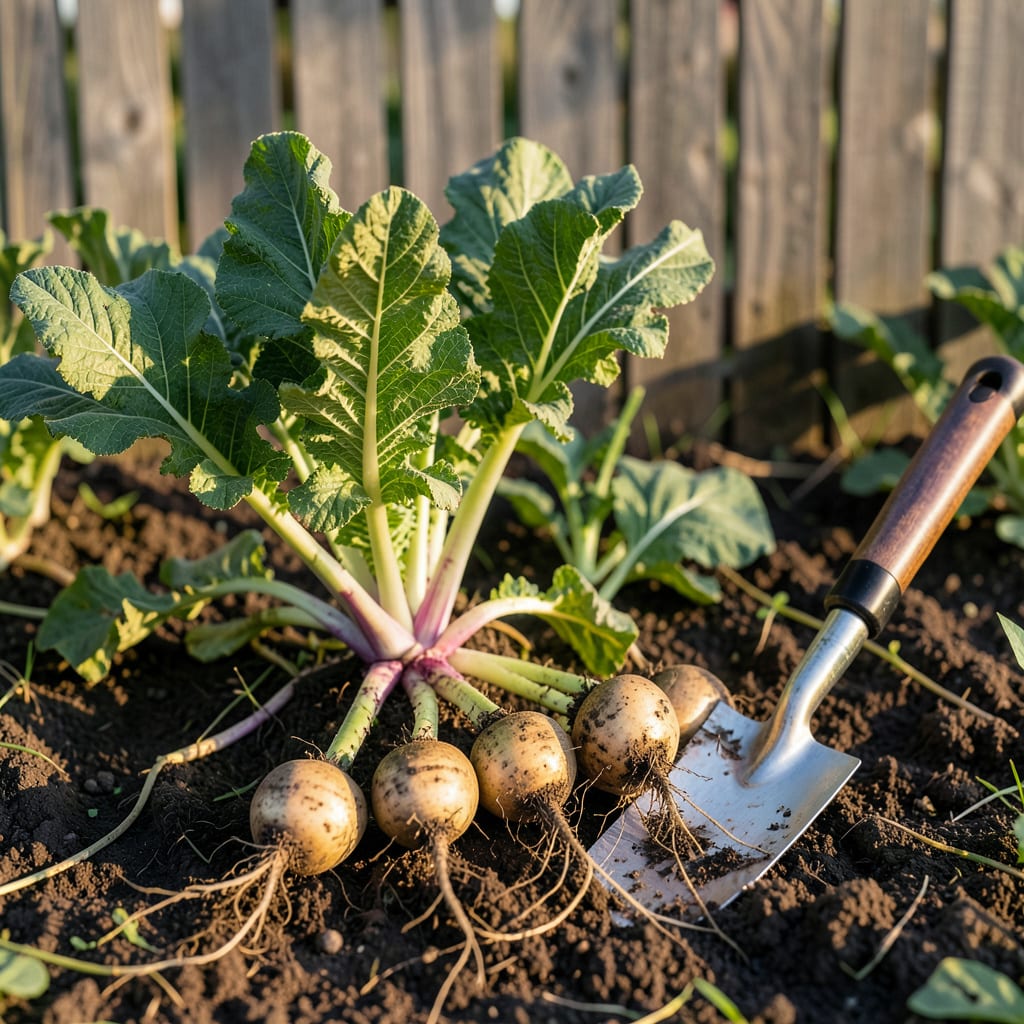
Knowing exactly when to pull your 🥬 Turnip can make all the difference. Harvest too early and you’ll get tiny, underdeveloped roots. Wait too long and they turn tough and bitter.
I’ll show you the key signs to watch for and the best times to harvest in zone 6a. Get ready for the sweetest, most tender turnips you’ve ever tasted.
Timing your turnip harvest perfectly ensures the best flavor and texture. In USDA Zone 6a, spring-planted turnips are typically ready in May to June, while fall plantings mature from October to November. The key is watching for maturity signs rather than just counting days.
Turnips generally reach harvest size in 50 to 70 days, but this varies by variety. Early types may be ready in 30 days, while maincrop varieties can take up to 70 days. Climate and soil conditions also play a role in their development.
| Variety | Harvest Window | Key Notes |
|---|---|---|
| Early Spring | 30-50 days | Small, tender roots |
| Maincrop | 50-70 days | Ideal for storage |
| Fall Varieties | 60-70 days | Sweeter after frost |
For spring turnips, I recommend starting your harvest check at 45 days after planting. Look for roots that are 2 to 3 inches in diameter at the soil line. Fall turnips can often be left in the ground longer, as a light frost can actually improve their sweetness.
In warmer climates, you might get a second harvest by planting in late summer. Just be sure to calculate your first frost date and count backward to allow enough maturity time. Turnips can tolerate light frosts, but a hard freeze will damage them.
I’ve found that Purple Top White Globe and Tokyo Cross are reliable varieties for most regions. The former is a classic maincrop, while the latter is an excellent early producer. Both give clear visual cues when they’re ready.
The size of the root shoulder above the soil is your best indicator. When it reaches about 2 inches across, it’s time to check. Gently brush away soil at the base of a few plants to inspect the roots without pulling them up.
Remember that overmature turnips become woody and bitter. If you’re growing for greens as well as roots, you can start harvesting leaves when they’re 4 to 6 inches tall, long before the roots are ready.
For the sweetest flavor, harvest in the morning after the soil has warmed but before the heat of the day. This is when the roots have the highest sugar content. Use a garden fork to gently lift the roots if the soil is compacted.
In my experience, the best turnips come from plants that have had consistent moisture throughout their growing period. Irregular watering can lead to cracked or split roots. Aim for about 1 inch of water per week, including rainfall.
Don’t forget that turnips can be harvested young for a more tender texture. These “baby turnips” are perfect for quick cooking methods and have a milder flavor. Just be sure not to leave the rest in the ground too long after pulling some early ones. ☀️
Harvesting turnips properly preserves their quality and flavor. I always start by watering the bed the day before to loosen the soil. This makes pulling the roots much easier and reduces the risk of breakage.
Use a garden fork or trowel to gently lift the roots from the soil. Never yank on the greens, as this can separate the tops from the roots. Instead, grasp the leaf base firmly and pull straight up with steady pressure.
For clay or compacted soil, a garden fork is essential. Slide it under the roots and lift carefully. This prevents the turnips from snapping off in the ground, which can lead to rot.
I recommend harvesting in the cool morning hours when the roots are most turgid. This helps them retain moisture and stay crisp longer after picking. Avoid harvesting during or immediately after heavy rain.
After pulling, gently brush off excess soil but don’t wash the roots. Wetting them can encourage rot during storage. If you must clean them, use a dry cloth and let them air-dry completely.
For baby turnips, you can harvest when roots are just 1 to 2 inches in diameter. These are especially tender and sweet, perfect for fresh eating. Just be careful not to disturb the remaining plants.
If you’re harvesting for storage, leave about 1 inch of stem attached and trim the greens to prevent moisture loss. Store in a cool, dark place with good air circulation. Properly harvested turnips can last several weeks under ideal conditions. ✂️
Recognizing the right moment to harvest turnips ensures the best texture and flavor. The most reliable sign is the root shoulder peeking above the soil line, which should be 2 to 3 inches wide. This visible clue is your first indicator that the roots below are mature.
I also check the leaf height and condition. When turnip greens reach 4 to 6 inches tall and appear vibrant, the roots are usually ready. Avoid harvesting if the tops look wilted or yellow, as this signals the plant isn’t at its peak.
The skin texture is another critical indicator. Mature turnips have a smooth, firm surface that feels solid when gently pressed. If the skin feels rubbery or soft, the turnip isn’t ready yet.
For fall crops, a light frost can actually enhance sweetness, so don’t rush to pull them at the first cold snap. However, harvest before a hard freeze, as this can damage the roots and ruin their texture.
If you’re growing turnips primarily for their greens, you can start harvesting leaves when they’re 4 inches tall. Just leave the central growing point intact so the plant continues to produce. This way, you can enjoy both the greens and the roots later.
Consistent moisture levels during growth ensure the best-quality turnips. Irregular watering can lead to cracked or split roots, which are more prone to rot. Aim for 1 inch of water per week, including rainfall, for the best results. 🌿
Look for roots that are 2 to 3 inches wide at the soil line. The greens should be 4 to 6 inches tall and vibrant. A firm texture when gently pressed confirms they’re ready.
A light frost actually sweetens fall turnips, but harvest before a hard freeze sets in. This prevents root damage and ensures the best texture and flavor.
Overmature turnips become woody and bitter. Roots left too long may also crack or split, making them less ideal for storage or cooking.
Yes! Harvest in the cool morning hours when roots are most turgid. This helps them retain moisture and stay crisp longer after picking.
