
Beautiful Plants For Your Interior
Beautiful Plants For Your Interior
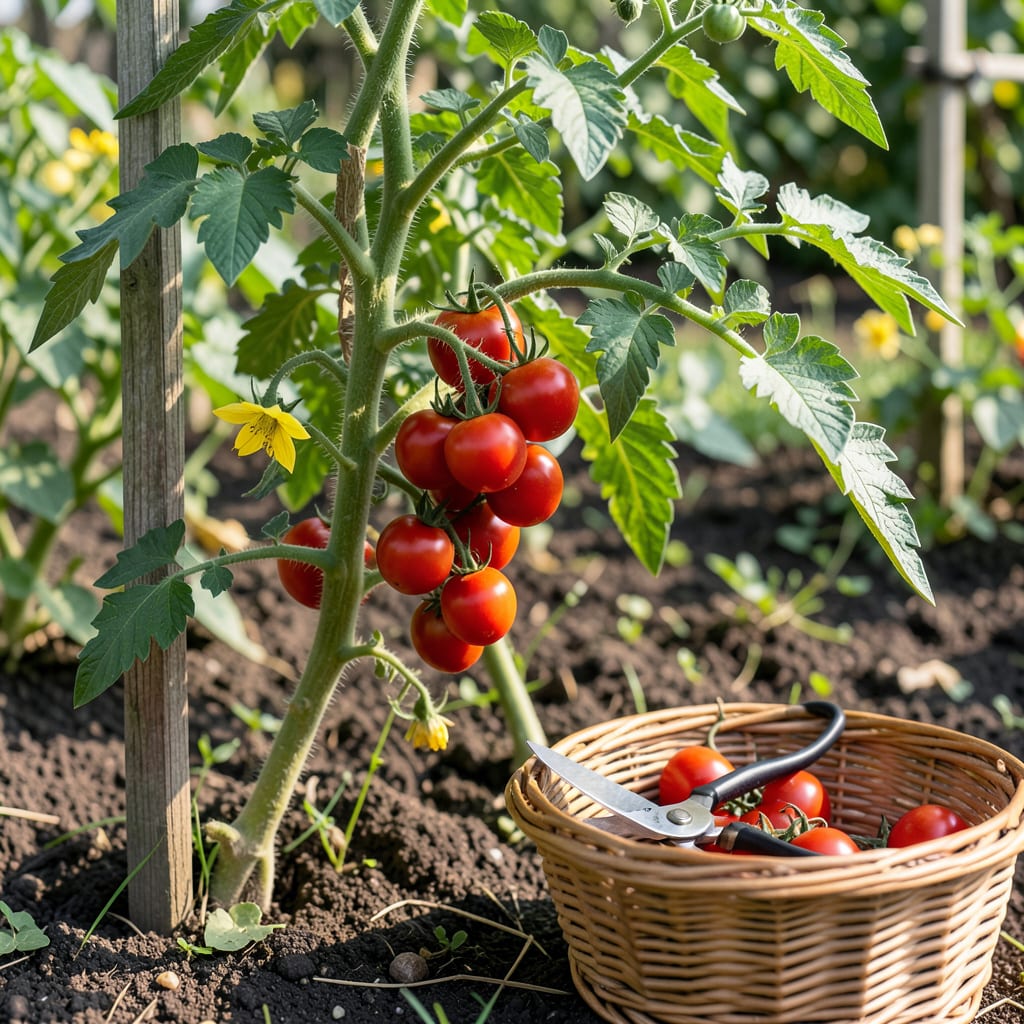
Nothing beats the taste of a freshly picked 🍅 straight from your garden. But how do you know it’s truly ready?
I’ve learned the subtle signs that separate a mediocre Tomato from a perfectly ripe one. The difference is in the details, and I’ll show you exactly what to look for.


I always check for consistent color first when determining if my tomatoes are ready. The fruit should display its variety-specific hue—deep red, golden yellow, or rich orange—without any green patches near the stem.
Next, I look for a glossy skin and a slightly soft texture when gently pressed. A ripe tomato yields slightly to pressure but isn’t mushy. The stem area often turns from green to brown as well.
| Sign | Indication |
| Full, even color | Variety-specific ripe hue |
| Glossy skin | Healthy, mature fruit |
| Slight give | Ready to harvest |
| Easy stem separation | Fruit detaches cleanly |
| Sweet aroma | Peak ripeness near stem |
I’ve found that heirloom tomatoes often show more variegated colors—striped greens, purples, or blacks—when ready. These varieties may look different but are just as ripe as uniform red ones.
The size of the tomato matters too. Most reach their mature dimensions before ripening fully. Compare the fruit to its expected size for the variety you planted.
I gently twist the tomato while still on the vine. If it comes off easily with the calyx (leafy cap) intact, it’s ready. Forcing it off can damage the plant or fruit.
A ripe tomato often has a sweet, earthy smell at the stem end. This aroma test works well for beefsteaks and cherries alike. If it smells fresh and fragrant, it’s time to pick.
For cherry tomatoes, I look for them to feel plump and heavy for their size. Their skin should be taut, not wrinkled, which can indicate overripeness.
I avoid picking tomatoes after heavy rain or when the plants are wet. This prevents spreading disease and ensures the fruit stores well after harvesting.
Remember, temperature affects ripening. In cooler climates, I sometimes pick tomatoes at the breaker stage (partially colored) and let them finish indoors on a windowsill.
By combining these visual, tactile, and olfactory cues, I consistently harvest tomatoes at their peak flavor. It’s a skill that improves with each growing season.
I’ve seen many gardeners rush the harvest and pick tomatoes too early. A green tomato won’t ripen properly off the vine if it’s not at the breaker stage first. Patience is key for the best flavor.
Another common error is waiting too long. Overripe tomatoes split on the vine or become mealy. I check daily during peak season to catch them at just the right moment.
⚠️ Harvesting Warning
Never pull tomatoes off the vine—always gently twist until the stem separates cleanly to avoid damaging the plant or fruit.
I avoid picking tomatoes when they’re wet from rain or morning dew. Moisture spreads diseases and can cause the fruit to rot faster in storage. Always wait for dry conditions.
Some gardeners ignore variety differences. Heirlooms like Brandywine or Cherokee Purple often ripen unevenly with green shoulders, while hybrids like Early Girl turn uniformly red.
I never store unripe tomatoes in the refrigerator. Cold stops ripening and ruins texture. A paper bag with an apple or banana speeds ripening thanks to natural ethylene gas.
Finally, I don’t harvest all tomatoes at once. Staggered picking ensures a continuous supply and prevents waste. Check plants every 2-3 days during peak production. ☀️
I’ve learned that temperature control is key for managing tomato ripening. When cool weather approaches, I harvest at breaker stage and ripen indoors at room temperature to avoid frost damage.
For faster ripening, I use the paper bag method. Place tomatoes with a ripe banana or apple in a bag—the ethylene gas they emit speeds up the process naturally.
🌱 Ripening Tips
To slow ripening, I store tomatoes in a cooler room around 55°F. This extends their shelf life while maintaining flavor and texture.
I never put unripe tomatoes in the fridge. The cold stops ripening and makes them mealy. Always let them ripen fully at room temperature first.
For green tomatoes at season’s end, I wrap them in newspaper and store in a dark, cool place. They’ll slowly ripen over weeks, giving me fresh tomatoes long after harvest. ☀️
Only if they’ve reached the breaker stage (starting to change color). Green tomatoes won’t ripen properly off the vine unless partially colored. For best flavor, wait for full color development.
Overripe tomatoes feel very soft, may split, or have wrinkled skin. They often lose their glossy appearance and develop an off smell. Harvest daily during peak season to avoid this.
No! Varieties like yellow pear or black Krim have different ripe colors. Check your seed packet for the expected mature hue. Heirlooms often show unique color patterns when ready.
Pick in the morning after dew has dried but before midday heat. This ensures best flavor and prevents moisture-related diseases. Always use clean hands or tools.
