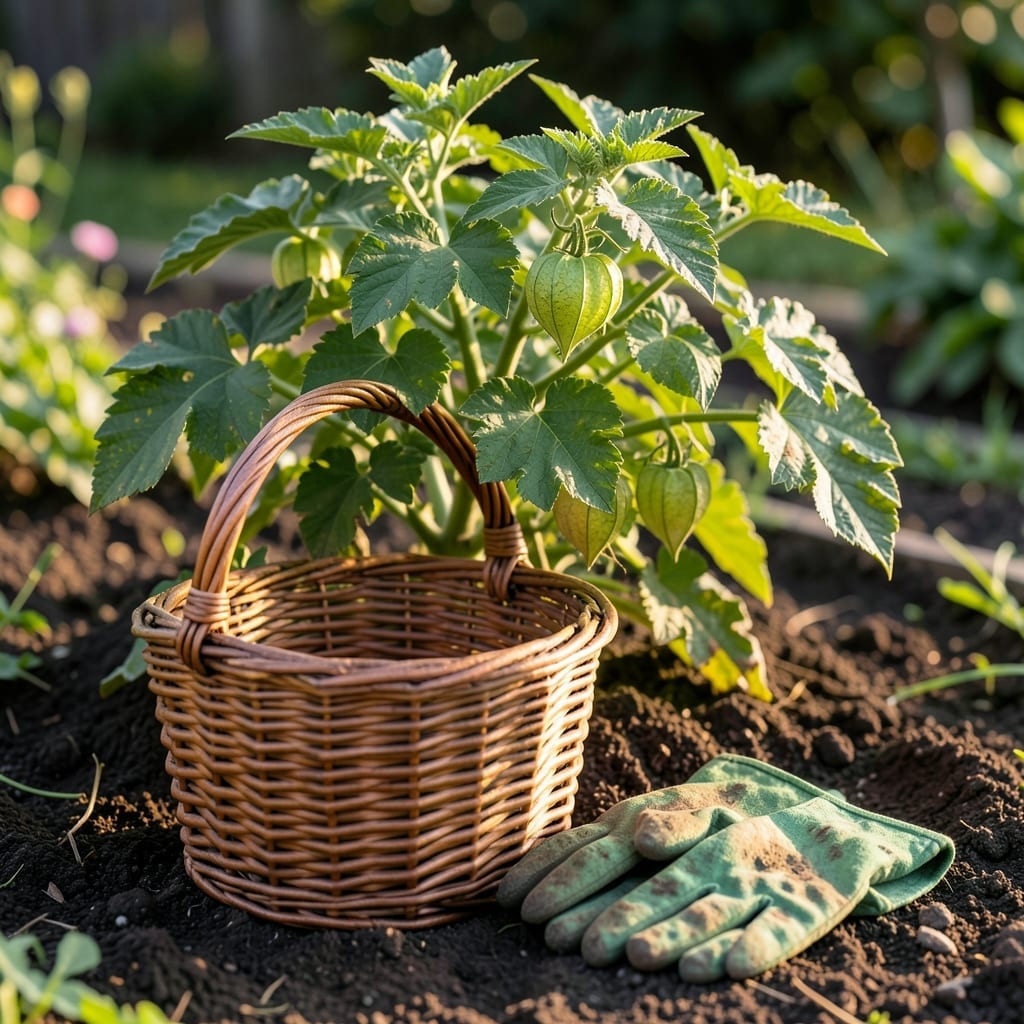
When Are Tomatillos Ready: Visual Cues for Ripe Husks

When Are Tomatillos Ready: Visual Cues for Ripe Husks

Ever stood in your garden wondering if your tomatillos are ready to pick? That papery husk can be the key to knowing exactly when to harvest. Unlike other garden favorites, the tomatillo 🍅 gives clear signals when it’s at its peak.

I’ve learned the hard way that picking too early means tart, underripe fruit. But wait for the right signs, and you’ll get that perfect tangy flavor for salsa verde or other dishes. The husk is your best clue.

From color changes to the way the husk feels, there are simple ways to tell. And in Zone 6, timing your harvest from July to October ensures the best results. Let’s break it down.

You’ll discover the visual cues and seasonal tips to get it right every time. No more guessing—just confident harvesting.

Style 16: Quick Tips – General
🌅
Morning
Pick early for best flavor & crunch
✂️
Clean Cut
Use scissors, don’t pull or twist
🔄
Check Daily
Ripeness can change overnight!

How to Tell When Tomatillos Are Ripe Using Visual Signs

The tomatillo husk is your first clue. When it turns from bright green to tan or brown and starts to split open, your fruit is nearing ripeness. This papery shell protects the fruit as it matures. 🌱

Look for the fruit filling the husk completely. A ripe tomatillo will be plump and may even burst the husk slightly. If the husk is still tight and green, the fruit inside isn’t ready yet. ☀️

Sign Ready Not Ready
Husk Color Brown, split Green, tight
Fruit Fit Fills husk Small, loose
Fruit Color Yellow, purple, red Green
Fruit Texture Firm, slight give Hard

Another key sign is the color of the fruit itself. Most varieties transition from green to yellow, but some turn purple or red when fully ripe. Don’t be fooled by the husk alone—always check the fruit inside. 🌿

I’ve found that gently squeezing the husk helps. A ripe tomatillo will feel slightly soft, like a firm tomato. If it’s still rock hard, give it more time on the vine.

The husk drying out is another indicator. As the fruit matures, the husk loses moisture and becomes brittle. This often happens 75-90 days after planting, depending on your USDA Zone.

In Zone 6, tomatillos typically reach maturity from July to October. If you planted in April or May, start checking for ripeness in mid-summer. The exact timing depends on your last frost date.

Watch for overripening too. If the husk turns completely brown and the fruit feels too soft, it may be past its prime. Harvest at the first signs of readiness for the best flavor. ✂️

A common misconception is that all tomatillos turn yellow when ripe. Some varieties stay green but develop a slightly sweet taste when ready. Always check the husk and texture, not just color.

Finally, regular harvesting encourages more production. I pick my tomatillos every 3-4 days during peak season to keep the plants productive. This also prevents overripening and waste. 🪴

Tomatillo Ripening Timeline and Harvesting Best Practices

From planting to harvest, tomatillos typically take 70-90 days to mature. In Zone 6, this means starting seeds indoors in April and transplanting after the last frost. The timeline depends on your local climate and care. 🌱

I check my tomatillos for ripeness by gently squeezing the husk. A ready fruit will feel firm but yield slightly. If it’s still rock hard, it needs more time. This simple test prevents picking too early. ☀️

  1. Plant seeds indoors 6-8 weeks before last frost
  2. Transplant seedlings after danger of frost passes
  3. First fruits appear in about 60 days
  4. Harvest begins at 75-90 days when husks split
  5. Peak harvest continues until first frost

For the best results, pick tomatillos when the husk splits open and the fruit fills the shell. This usually happens in mid-summer for spring plantings. The fruit’s color may change from green to yellow or other hues. 🌿

I always use sharp pruners or twist gently to avoid damaging the plant. Harvesting in the morning helps retain moisture. Store picked tomatillos in their husks in a cool, dry place for up to 2 weeks. ✂️

In hotter climates, tomatillos may ripen faster. Watch for husk drying and color changes. If the husk turns completely brown, the fruit may be overripe. Regular checks ensure you catch them at peak ripeness.

Remember, consistent watering and full sun help tomatillos reach maturity on schedule. In Zone 6, the harvest window typically runs from July to October, giving you plenty of time to enjoy the fruits of your labor. 🪴

★★★★★4.5(3 reviews)