
Beautiful Plants For Your Interior
Beautiful Plants For Your Interior
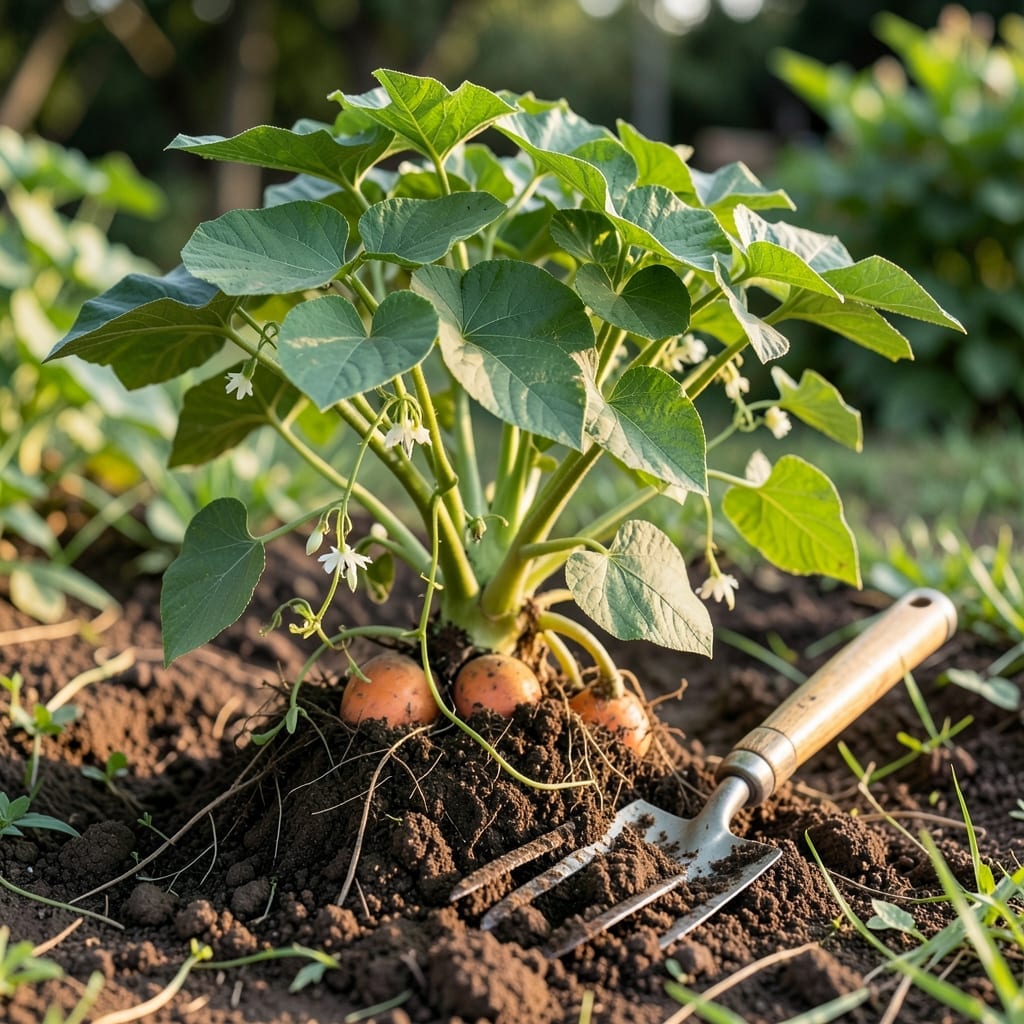
Knowing exactly when to harvest 🍠 Sweet Potato can mean the difference between a bountiful crop and a disappointing yield. Timing is everything with this plant.
Pull them too early and they lack sweetness. Wait too long and they may rot in the ground. The signs are subtle but unmistakable once you know what to look for.
I’ve learned through experience that the 🍠 Sweet Potato gives clear signals when it’s ready. From leaf color changes to vine behavior, nature provides all the clues we need.
Discover the most important indicators that your Sweet Potato harvest time has arrived. These field-tested tips will ensure you pick at peak perfection.


I’ve found that sweet potatoes send clear signals when they’re ready. The first sign I look for is yellowing leaves on the vines. This usually happens as the growing season winds down.
Another telltale indicator is vine dieback. When the once-lush green vines start to turn brown and wither, it’s nature’s way of saying the tubers below are mature. 🌱
| Maturity Sign | Description |
|---|---|
| Leaf Yellowing | Foliage turns yellow or brown |
| Vine Dieback | Vines wilt and dry out |
| Tuber Size | 3-4 inches in length |
| Skin Texture | Firm and smooth surface |
I always check the tuber size too. Sweet potatoes are typically ready when they reach 3 to 4 inches long. You can gently dig around the base of the plant to inspect their size without harming them.
The skin texture is another clue. Mature sweet potatoes have a firm, smooth skin that resists scratching. If the skin is thin or easily damaged, they need more time.
For most varieties, the days to maturity range from 90 to 120 days. I recommend noting your planting date to estimate the harvest window accurately.
I’ve noticed that early varieties like Georgia Jet mature in about 90 days, while Beauregard often takes closer to 100 days. Always check the seed packet for specifics.
One trick I use is the soil temperature check. Sweet potatoes prefer warm soil, and harvesting when the soil is above 55°F helps prevent chilling injury to the tubers.
If you’re unsure, try harvesting one or two test tubers. Slice them open—if the flesh is deep orange and sweet, the rest are likely ready. If not, give them another week or two. 🌿
Finally, always harvest before the first frost. Sweet potatoes are tender plants that can’t handle freezing temperatures. A light frost can damage the tubers, making them inedible.
I’ve found that temperature plays the biggest role in when your sweet potatoes are ready. Warm soil above 60°F speeds up growth, while cooler temps slow it down significantly.
In my garden, rainfall and soil type also shift the timeline. Sandy soils drain fast and may need more frequent watering, while clay holds moisture but can delay maturity.
⚠️ Watch for Frost
Always harvest before the first frost. Even a light frost can damage tubers and ruin your crop. In USDA Zone 6, aim to dig them up by mid-October.
Regional differences matter too. In the South, you might harvest as early as 90 days, while cooler northern climates often need the full 120 days.
One common mistake I see is over-watering in the final weeks. This can crack tubers and reduce sweetness. Ease up on water 10 days before harvest for best results.
If your vines are still lush and green but frost is coming, don’t wait. Dig carefully to avoid bruising the tubers, as damaged ones won’t store well.
I always check the 5-day forecast in early fall. If night temps drop below 50°F, it’s time to act, even if the vines look healthy. The tubers won’t sweeten further in cold soil.
Remember, consistent warmth and well-drained soil give you the most reliable harvest window. Adjust your expectations based on your local conditions and variety.