
Beautiful Plants For Your Interior
Beautiful Plants For Your Interior
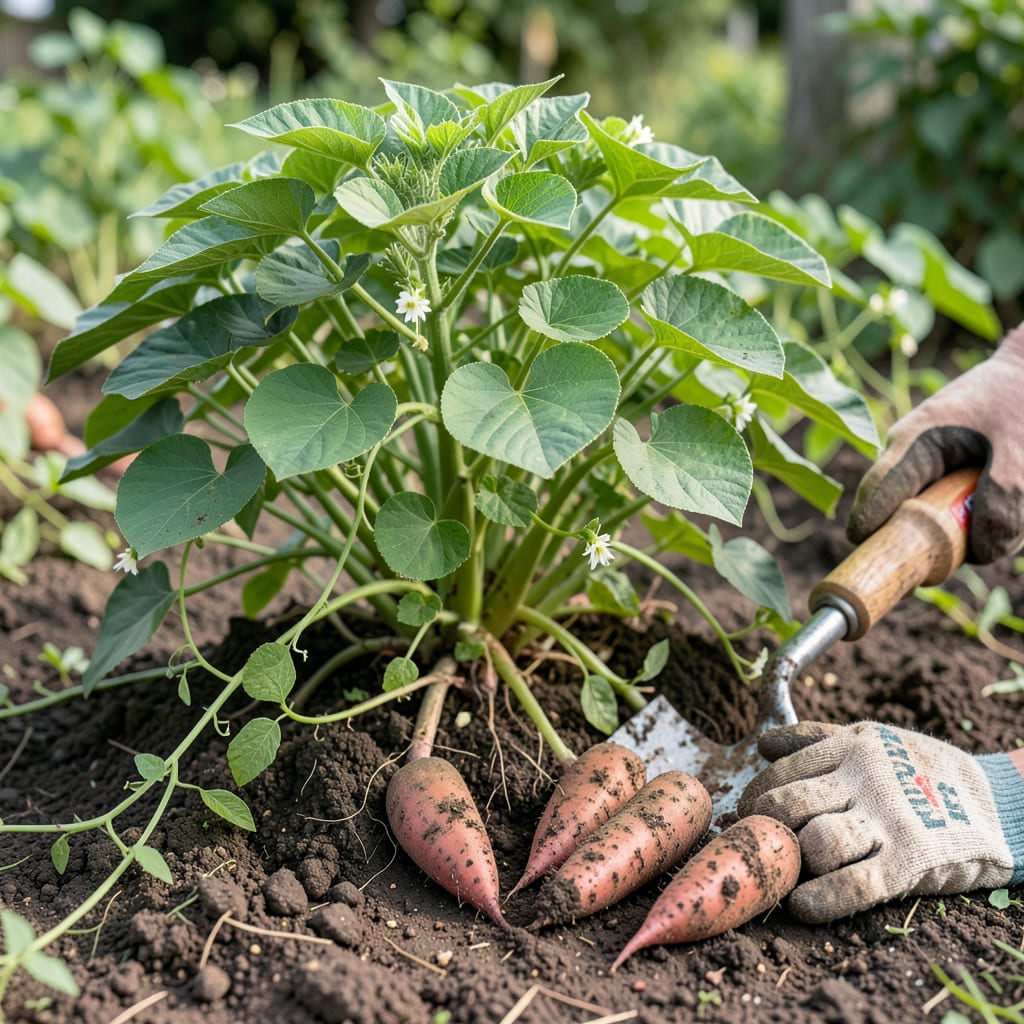
Timing your Sweet Potato 🍠 harvest perfectly can transform your yield from average to exceptional. The difference often comes down to recognizing nature’s subtle hints.
I’ll help you discover the exact visual cues and seasonal signs that signal your tubers are at their peak. With these insights, you’ll never second-guess your harvest timing again.


I always watch for leaf yellowing first—this is nature’s way of saying your sweet potatoes are nearing maturity. The vines will begin to lose their vibrant green color as the plant redirects energy to the tubers below. This is your first visual cue that harvest time is approaching.
Another clear sign is vine decline. When the once-lush foliage starts to wilt and die back, it’s a strong indicator that the tubers have reached their full size. Don’t wait too long after this stage, as the tubers can become overmature and lose some of their sweetness.
For most sweet potato varieties, the days to maturity range between 90 to 120 days. Varieties like Beauregard are ready in about 100 days, while heirlooms may need the full 120 days. Always check the seed packet for specific guidance.
If you’re unsure, I recommend the gentle soil probe method. Carefully dig around the base of the plant with your hands to feel for tubers. If they’re firm and sizable, they’re likely ready. Avoid using tools that might pierce or damage them.
Weather plays a big role too. I always aim to harvest before the first frost, as cold temperatures can damage the tubers. If frost is forecasted, it’s better to dig them up a little early than risk losing your crop to the cold.
Another pro tip: Sample digging is a great way to confirm readiness. Carefully dig up one or two tubers from different plants. If they meet the size and firmness criteria, the rest of your crop is likely ready too.
Remember, overmature sweet potatoes can become woody or split, so timing is key. If the vines are still lush and green with no signs of yellowing, give them more time. Patience often pays off with a sweeter, more abundant harvest.
Finally, pay attention to the soil conditions. Harvesting when the soil is dry makes the process easier and reduces the risk of tuber damage. Wet soil can make digging difficult and increase the chances of rot during storage.
With these signs in mind, you’ll be well-equipped to harvest your sweet potatoes at their peak, ensuring the best flavor and storage life. 🌱
I always start by checking the days to maturity for my sweet potato variety. Most need 90-120 days, but I’ve found Beauregard is often ready at 100 days. This gives me a baseline for when to start testing.
My go-to method is the gentle soil probe. I carefully dig around the plant base with my hands, feeling for tubers. If they’re firm and 3-5 inches, they’re likely ready. This avoids damaging the crop with tools.
I also use the sample digging technique. I’ll carefully unearth 1-2 tubers from different plants. If they meet the size and firmness criteria, I know the rest are ready. This is especially useful for first-time growers.
Weather monitoring is crucial. I always aim to harvest before the first frost. Cold temperatures can damage tubers, so I’ll dig them up early if frost is forecasted. It’s better to harvest a little early than risk losing the crop.
Harvesting too late can cause tubers to split or become woody. If the vines are still lush and green, I give them more time. Patience often rewards me with a sweeter, more abundant harvest.
Finally, I check the soil conditions. Harvesting when the soil is dry makes the process much easier and reduces the risk of damaging the tubers. Wet soil can make digging difficult and increase rot risk during storage.
With these methods, I confidently determine when my sweet potatoes are at their peak for harvest. 🌱
I’ve seen many gardeners harvest too early, mistaking healthy vines for readiness. If the foliage is still green and vigorous, your tubers likely need more time to reach their full 3-5 inch size and sweetness.
Another common error is ignoring frost warnings. Sweet potatoes are tropical plants that can’t tolerate cold. Even a light frost can damage tubers, so I always harvest before temperatures drop below 50°F.
⚠️ Warning: Harvesting after frost can lead to rotten or inedible tubers. Always check the weather forecast as harvest time approaches.
Some gardeners also misread plant signals. While yellowing leaves indicate maturity, brown or crispy vines might mean the plant is stressed or overmature. I recommend checking tubers if you notice these extreme signs.
Damaging tubers during digging is another pitfall. I always use a garden fork and work carefully to avoid piercing the sweet potatoes. Start digging about 12 inches from the plant to minimize risk.
Finally, don’t overlook soil moisture. Harvesting when the soil is too wet makes tubers prone to rot during curing. I wait for dry conditions to make the process smoother and safer for my crop.
Avoiding these mistakes helps ensure a successful, flavorful harvest every time. 🌱
Picking before maturity means smaller tubers with less sweetness. The starches haven’t fully converted to sugars yet. Wait until vines yellow or you see 3-5 inch tubers.
Never. Even a light frost can ruin the crop. Sweet potatoes are tropical plants that can’t tolerate cold. Harvest before temperatures drop below 50°F.
Use the gentle soil probe method. Carefully feel around the plant base with your hands for firm tubers. This avoids damaging the crop with tools.
This happens when they’re left too long in the ground. Overmature tubers can split or become woody. Harvest when vines decline but before they turn completely brown.
