
Beautiful Plants For Your Interior
Beautiful Plants For Your Interior
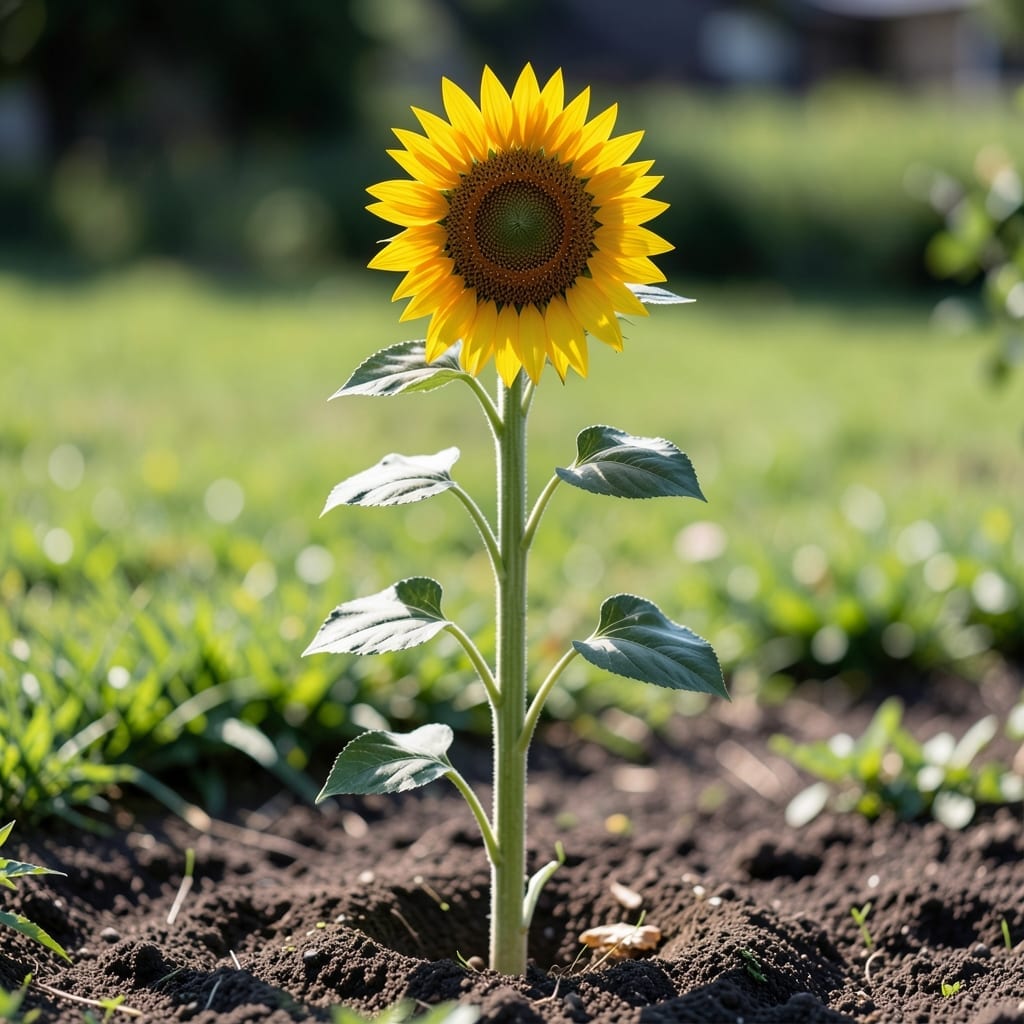
Sunflowers bring vibrant color to Florida gardens, but their bloom times vary across the state’s unique climate zones. Knowing exactly when to plant and expect flowers can make the difference between a lackluster patch and a stunning display.
In zones 8b-10a, timing is everything for these cheerful blooms. I’ve seen gardens transform when planted at the right moment, turning ordinary spaces into breathtaking scenes. The 🌻 Sunflower thrives with a little planning and care.
From the panhandle to the keys, each region has its own rhythm. I’ll break down the best windows to plant and enjoy these giants, so you can maximize their beauty in your yard.
Discover how to align your efforts with Florida’s seasons and watch your sunflowers shine like never before.
Florida’s unique climate means sunflower seasons differ dramatically from the panhandle to the keys. I’ve learned that North Florida follows a more traditional spring-summer cycle, while Central and South Florida can grow almost year-round with the right care.
In Zone 8b (North), planting after the last frost in mid-February gives you blooms by early summer. Further south, in Zones 9-10, you can start seeds as early as January for a head start on the season.
| Region | Planting Window | Bloom Time | Key Consideration |
|---|---|---|---|
| North Florida | Feb-April | June-August | Watch for late frosts |
| Central Florida | Jan-March | May-July | Heat-tolerant varieties |
| South Florida | Oct-February | Dec-April | Avoid summer rains |
For North Florida gardeners, the window is tight but rewarding. I recommend starting seeds indoors in January for transplanting after the last frost date, typically February 15. This gives your sunflowers a strong start before the heat sets in.
Central Florida offers more flexibility. Here, you can plant in fall or spring, but I’ve found March plantings often produce the most vibrant blooms. The key is avoiding the hottest summer months, which can stress the plants.
In South Florida, the game changes completely. With no real winter, you can grow sunflowers as a winter crop. I’ve had success planting in October for December blooms, which is perfect for holiday cheer. Just watch for unexpected cold snaps.
The soil temperature is your best guide. Sunflowers need at least 55°F to germinate. In cooler areas, use a soil thermometer to check conditions. I never plant until the soil is warm enough, even if air temperatures seem right.
Microclimates matter too. If you’re near the coast, the moderating ocean influence can extend your growing window. Inland areas might experience more temperature swings, so I always recommend succession planting every 2-3 weeks for continuous blooms.
Remember that dwarf varieties like ‘Teddy Bear’ can handle slightly cooler temperatures, while giant types need the warmth of late spring. I’ve found ‘Moulin Rouge’ does particularly well in Florida’s heat and humidity.
No matter your region, well-draining soil and full sun are non-negotiable. I add compost to my beds before planting to give the roots a nutrient boost. A little preparation goes a long way in Florida’s sandy soils.
With the right timing and care, you can enjoy sunflowers nearly year-round in the Sunshine State. The key is understanding your specific region’s rhythms and working with them, not against them
☀️
Florida’s hot humidity demands sunflowers that can handle the heat. I’ve found that dwarf varieties like ‘Teddy Bear’ thrive in containers, while giant types need space to shine. The right choice makes all the difference in your garden’s success.
For fast blooms, ‘Autumn Beauty’ and ‘Moulin Rouge’ are my top picks. They tolerate Florida’s long summers and keep producing flowers well into fall. Each offers unique colors and heights to fit any landscape.