
Beautiful Plants For Your Interior
Beautiful Plants For Your Interior
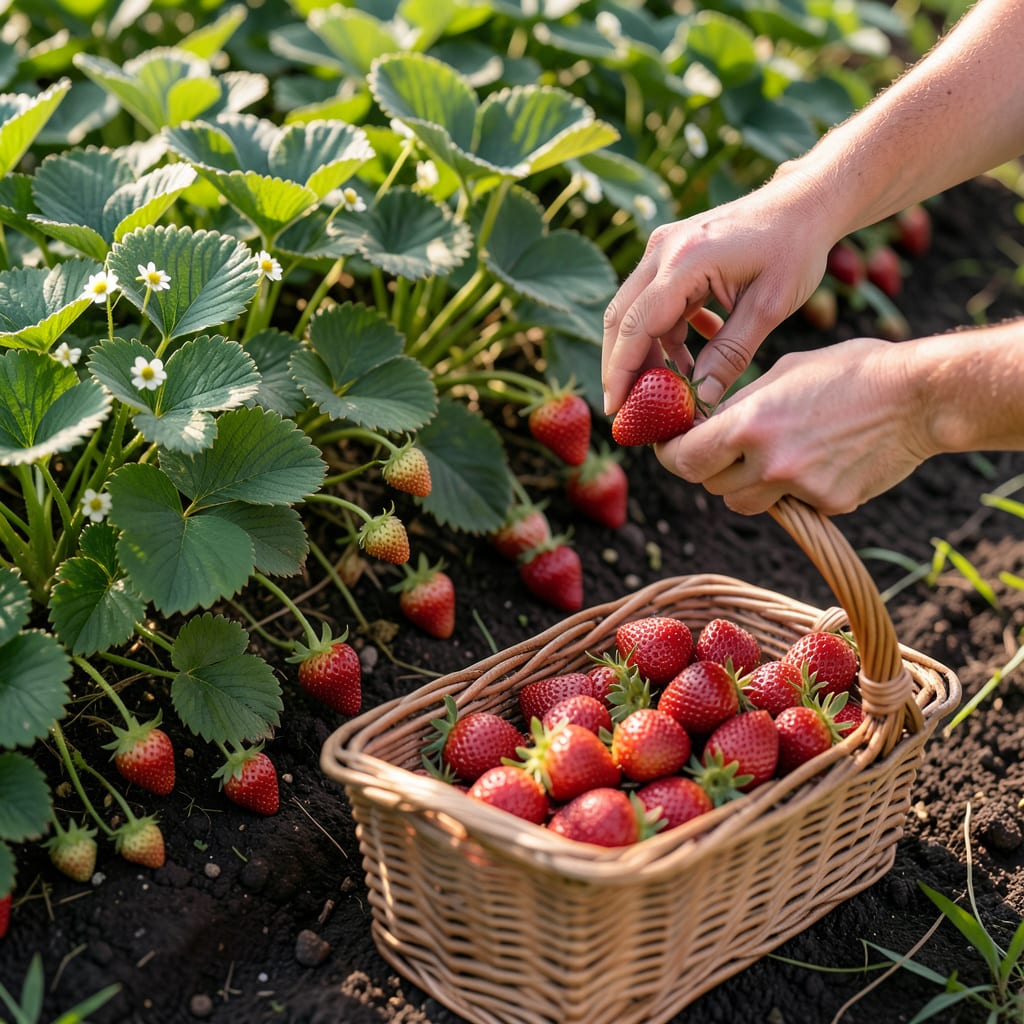
There’s nothing like biting into a perfectly ripe 🍓 Strawberry fresh from the garden. Timing your harvest right makes all the difference in flavor and quality.
From May – June, these sweet berries reach their peak. I’ll show you how to spot the ideal moment to pick for the juiciest, most delicious results every time.
Timing your strawberry harvest perfectly depends heavily on the variety you’re growing. Each type has its own unique schedule that can span from early spring to late fall.
In my garden, I’ve found that June-bearing strawberries typically produce one large harvest in late spring to early summer, while other varieties offer more flexibility.
| Variety | Primary Harvest Window | Additional Harvests | Climate Notes |
|---|---|---|---|
| June-Bearing | Late May – Early July | One main crop | Best in cooler climates |
| Everbearing | Early June – August | 2-3 harvests | Thrives in moderate climates |
| Day-Neutral | June – October | Continuous production | Ideal for long growing seasons |
The June-bearing type gives me one big flush of berries over 2-3 weeks. This is perfect if you want to preserve a large batch at once.
Everbearing strawberries produce multiple smaller harvests. I usually see my first berries in early summer, then another crop in late summer or early fall.
For continuous picking, day-neutral strawberries are my favorite. They’ll produce throughout the growing season as long as temperatures stay between 35°F and 85°F.
In warmer climates, I’ve noticed day-neutral varieties can produce almost year-round. But in colder zones, they’ll typically stop when frost arrives.
Remember that these are general guidelines. Your exact harvest time may vary based on local weather, soil conditions, and planting dates. I always keep a garden journal to track my plants’ progress.
For the most accurate timing, I recommend checking with your local extension office. They can provide region-specific advice tailored to your area’s unique climate patterns.
No matter the variety, always harvest in the morning when berries are cool and fresh for the best flavor and shelf life.☀️
Knowing exactly when to pick your strawberries ensures the sweetest flavor and best texture. I look for specific visual and tactile cues that tell me a berry is at its peak.
In my experience, the color change is the first sign, but there are other important indicators to check before harvesting.
I always check the underside of the berry too. If it’s still white or pale, it’s not ready yet. The entire fruit should be uniformly deep red from top to bottom.
The ease of picking is another great test. A ripe strawberry will come off easily with just a gentle tug, while unripe ones often resist separation from the plant.
I’ve learned that morning harvesting gives the best results. The berries are cooler and firmer after a night of rest, which helps them last longer after picking.
Remember that size isn’t everything. Some smaller varieties are perfectly ripe at just 0.5 inches, while others may grow larger. Always combine size with other ripeness signs for the best judgment.
With practice, you’ll develop an eye for the perfect picking moment every time.🌱
Even experienced gardeners sometimes misjudge harvest timing, which can lead to less flavorful berries or reduced yields. I’ve made my share of mistakes and learned valuable lessons along the way.
One of the most common errors I see is picking too early. Strawberries won’t continue ripening after being picked, so timing is everything for the sweetest results.
Picking green berries – They’ll never ripen properly after harvest
Waiting too long – Overripe berries attract pests and rot quickly
Harvesting in heat – Midday picking can lead to soft, bruised fruit
Ignoring weather – Rainy periods can dilute flavor and promote disease
I once left a batch of June-bearing strawberries on the vine too long, thinking they’d get sweeter. Instead, they became mushy and fermented, attracting fruit flies and ruining my harvest.
Another mistake is harvesting wet berries. Morning dew or rain can make strawberries prone to mold and rot. I always wait until the foliage is dry before picking to prevent these issues.
I’ve also learned that consistent checking is key. Strawberries can go from perfectly ripe to overripe in just 24-48 hours, especially in warm weather. I make it a habit to inspect my plants daily during peak harvest season.🌱
Inspect your plants daily during peak season. Strawberries can ripen quickly in warm weather, going from perfect to overripe in 24-48 hours.
Morning is ideal, but afternoon works if berries are dry. Avoid midday heat to prevent soft, bruised fruit. Always pick when foliage is dry to avoid mold.
Sun exposure, plant health, and variety affect ripening. June-bearing types mature together, while day-neutral produce continuously. Warmer spots in your garden may speed up the process.
They won’t ripen further after picking. Early berries stay tart and hard, lacking sweetness. Wait until fully red and slightly soft for best flavor.
